

The World Faces an Environmental Turning Point
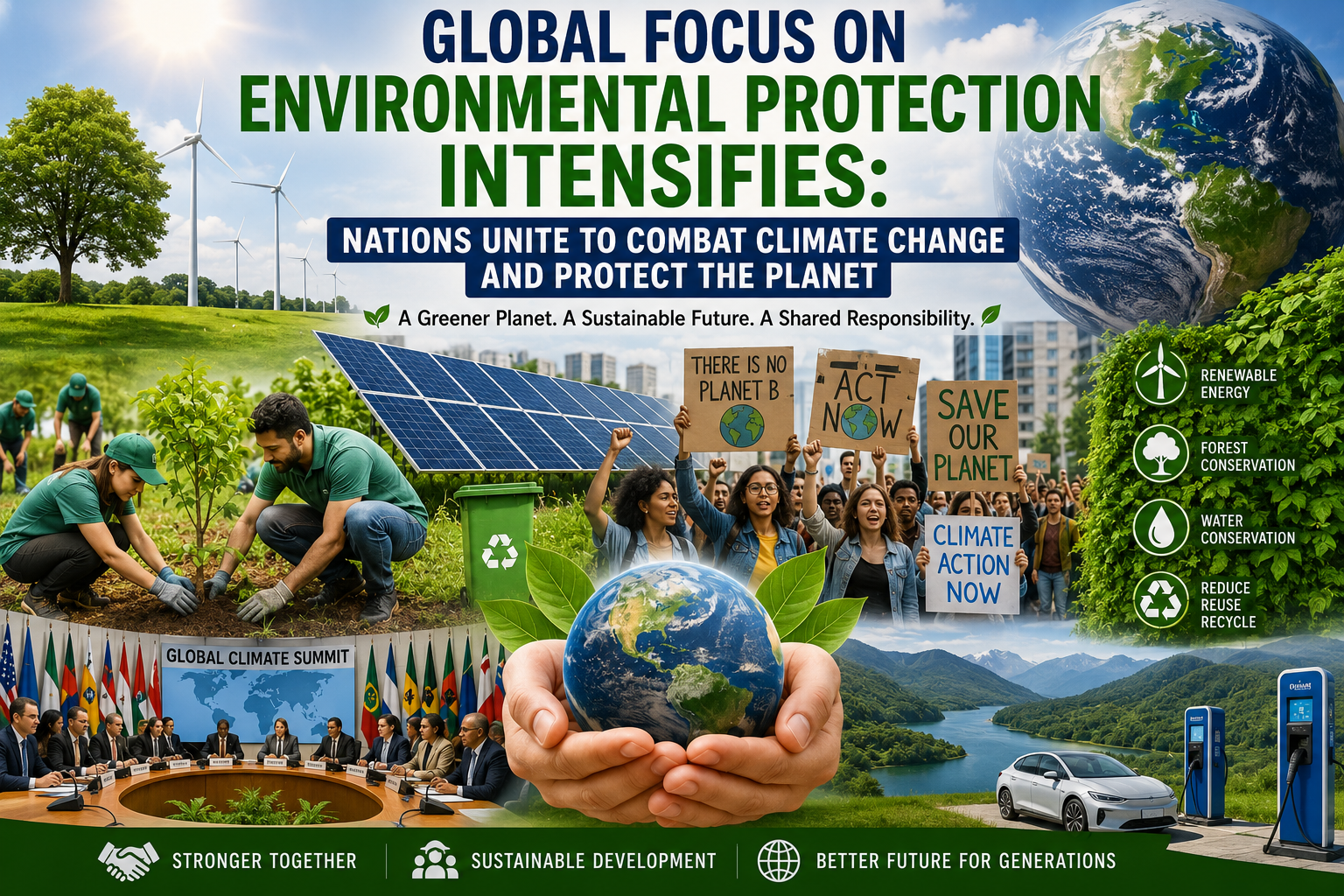
Environmental protection has become one of the most pressing global priorities of the 21st century. As climate change accelerates and natural ecosystems continue to decline, governments, scientists, environmental organizations, and communities worldwide are working together to safeguard the planet for future generations.
The increasing frequency of extreme weather events, rising global temperatures, melting glaciers, devastating floods, prolonged droughts, massive wildfires, and biodiversity loss have made it clear that protecting the environment is no longer optional—it is essential for humanity’s survival.
In recent years, environmental concerns have moved from scientific discussions to the center of global policymaking. Countries are now investing billions of dollars in renewable energy, green technologies, wildlife conservation, sustainable agriculture, and climate adaptation measures.
Experts believe that the decisions made today will determine the future of the Earth for decades to come.
Climate Change: The Biggest Global Challenge
Climate change remains the greatest environmental threat facing the world today.
According to climate scientists, the Earth’s average temperature has increased significantly since the Industrial Revolution due to the rapid rise in greenhouse gases such as carbon dioxide (CO₂), methane, and nitrous oxide.
These gases trap heat in the atmosphere, causing global warming.
The consequences are becoming increasingly visible across every continent.
Many countries have experienced record-breaking heatwaves, while others have faced unprecedented floods, hurricanes, cyclones, and severe droughts.
Scientists warn that if greenhouse gas emissions continue at the current rate, global temperatures could rise beyond 1.5°C, triggering irreversible damage to ecosystems and human societies.
Higher temperatures also threaten agriculture, water supplies, food security, and public health.
Millions of people living in coastal regions face the risk of displacement due to rising sea levels caused by melting glaciers and polar ice caps.
Climate change is no longer a future concern—it is happening now.
Countries Accelerate Green Initiatives
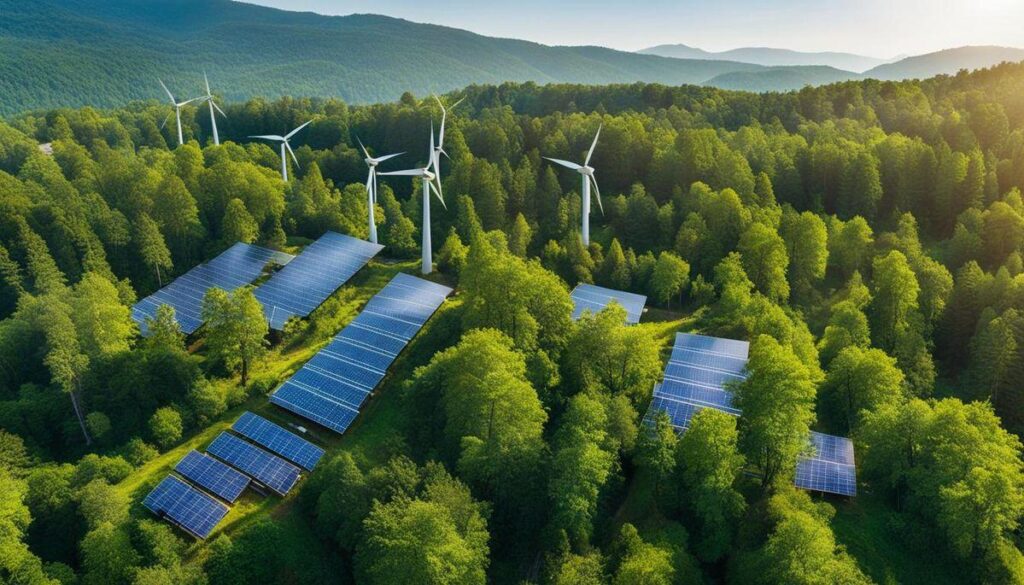
Recognizing the urgency of the climate crisis, governments worldwide have intensified efforts to reduce carbon emissions and transition to cleaner energy sources.
Many developed and developing nations have announced ambitious Net Zero Emission targets, aiming to balance greenhouse gas emissions with carbon removal by the middle of this century.
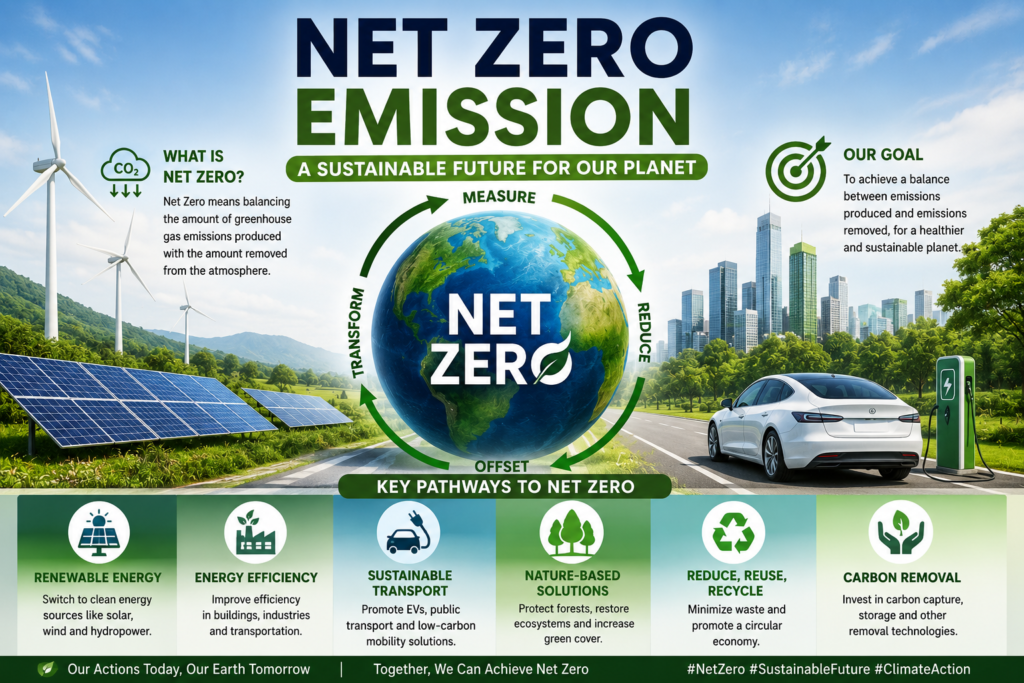
Massive investments are being made in:
- Solar power
- Wind energy
- Hydroelectric power
- Green hydrogen
- Electric vehicles
- Smart energy grids
Several countries have also introduced stricter environmental regulations to reduce industrial pollution and improve energy efficiency.
Renewable energy is becoming one of the fastest-growing sectors in the global economy, creating millions of green jobs while reducing dependence on fossil fuels.
Biodiversity Conservation Gains Global Attention
Protecting wildlife has become another major international priority.
According to global conservation organizations, nearly one million species face the risk of extinction due to habitat destruction, pollution, illegal wildlife trade, invasive species, and climate change.
Forests continue to disappear at an alarming rate because of urban expansion, agriculture, mining, and illegal logging.
To reverse these trends, many countries are expanding national parks, wildlife sanctuaries, marine protected areas, and biodiversity reserves.
Large-scale conservation programs are helping restore endangered species such as tigers, elephants, rhinos, giant pandas, sea turtles, and many bird species.
Wetlands, mangrove forests, coral reefs, and tropical rainforests are receiving increased protection because they play critical roles in maintaining ecological balance.
Experts emphasize that biodiversity is essential not only for wildlife but also for agriculture, medicine, clean water, and climate stability.
The Fight Against Plastic Pollution
Plastic pollution has emerged as one of the world’s fastest-growing environmental challenges.
Every year, millions of tons of plastic waste enter rivers, lakes, and oceans.
Marine animals often mistake plastic for food, leading to injury or death.
Microplastics have now been found in drinking water, seafood, agricultural soil, and even the human bloodstream.
In response, many countries have banned or restricted single-use plastics, promoted recycling programs, and encouraged businesses to adopt eco-friendly packaging.
International negotiations are also underway to establish a legally binding Global Plastic Pollution Treaty aimed at reducing plastic waste worldwide.
Environmental experts believe that reducing plastic consumption is one of the simplest yet most effective actions individuals can take to protect nature.
India’s Growing Commitment to Environmental Protection
India has emerged as one of the leading countries promoting sustainable development and climate action.
The Government of India has launched several major initiatives to reduce environmental degradation while supporting economic growth.
One of the most significant programs is Mission LiFE (Lifestyle for Environment), introduced to encourage environmentally responsible lifestyles among citizens.
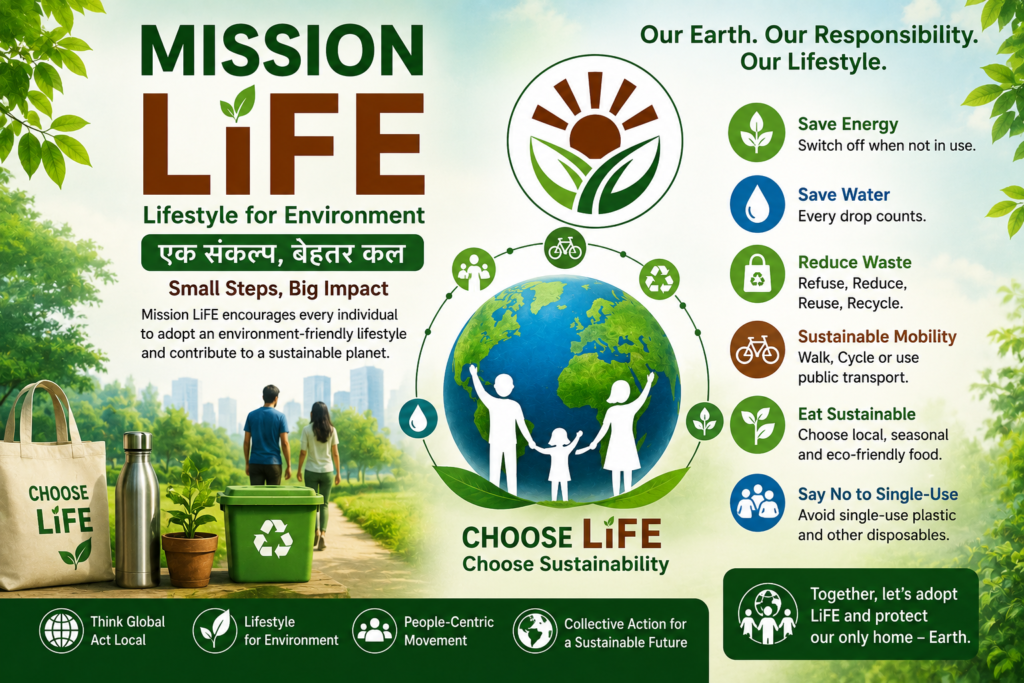
The campaign promotes simple daily actions such as:
- Saving electricity
- Conserving water
- Reducing plastic use
- Planting trees
- Using public transportation
- Recycling waste
India has also committed to achieving Net-Zero carbon emissions by 2070 while rapidly expanding solar energy, electric mobility, green hydrogen production, and large-scale afforestation projects.
The country continues to strengthen wildlife conservation through initiatives like Project Tiger, Project Elephant, wetland restoration, and river conservation programs.
Wetlands: Nature’s Silent Protectors
Environmental scientists increasingly recognize wetlands as one of Earth’s most valuable ecosystems.
Wetlands naturally filter water, reduce floods, recharge groundwater, support biodiversity, and capture large amounts of carbon dioxide.
India’s Loktak Lake, Chilika Lake, Sundarbans Mangroves, and numerous Ramsar Sites demonstrate the ecological importance of wetland conservation.
Protecting wetlands is considered one of the most cost-effective solutions for combating climate change while preserving wildlife habitats.
Many countries are now restoring degraded wetlands to improve climate resilience and biodiversity.
Technology Is Transforming Conservation
Modern technology has become an essential tool in protecting the environment.
Artificial Intelligence (AI), satellite monitoring, drones, Geographic Information Systems (GIS), and remote sensing technologies are helping scientists monitor forests, wildlife populations, glaciers, pollution, and natural disasters more efficiently than ever before.
AI-powered systems can detect illegal logging, predict forest fires, monitor endangered animals, and improve disaster preparedness.
Smart agriculture technologies also help farmers use less water, fewer fertilizers, and more sustainable farming practices.
Technology is making environmental conservation more accurate, efficient, and data-driven.
Young People Are Leading the Movement
Across the globe, young people are becoming powerful voices for climate action.
Students, environmental activists, researchers, and volunteers are organizing tree-planting campaigns, clean-up drives, awareness programs, and sustainability projects.
Schools and universities are incorporating environmental education into their curricula to encourage future generations to adopt sustainable lifestyles.
Experts believe that individual actions, when multiplied across millions of people, can create enormous environmental benefits.
Simple steps such as reducing waste, conserving energy, using reusable products, cycling, and supporting eco-friendly businesses contribute significantly to environmental protection.
Why Environmental Protection Matters
The environment forms the foundation of human civilization.
Clean air, safe drinking water, fertile soil, forests, oceans, and biodiversity are essential for food production, economic development, public health, and overall quality of life.
Ignoring environmental degradation would increase the risks of:
- Water shortages
- Food insecurity
- Disease outbreaks
- Economic instability
- Natural disasters
- Mass migration
Sustainable development seeks to balance economic progress with environmental conservation so that future generations inherit a healthy and livable planet.
Protecting nature is not merely an environmental issue—it is a social, economic, and humanitarian necessity.
The Road Ahead
The future of environmental protection depends on global cooperation.
Governments must strengthen environmental policies, businesses must invest in sustainable technologies, scientists must continue developing innovative solutions, and citizens must adopt eco-friendly lifestyles.
International cooperation through climate agreements, biodiversity conventions, and environmental partnerships will play a decisive role in addressing global environmental challenges.
The transition toward a greener future requires collective responsibility, long-term planning, and continuous public participation.
Conclusion
The world has entered a defining era in which environmental protection has become central to global development and human survival.
Climate change, biodiversity loss, pollution, and resource depletion demand urgent and coordinated action from every nation.
While significant progress has already been made through renewable energy expansion, conservation initiatives, and international climate agreements, much more remains to be done.
Protecting the environment is not solely the responsibility of governments or environmental organizations—it is a shared responsibility of every individual.
Every tree planted, every plastic bottle recycled, every unit of electricity saved, and every sustainable choice contributes to a healthier planet.
As the global focus on environmental protection continues to grow, one message becomes increasingly clear:
There is no Planet B. Protecting nature today is the only way to secure a safer, healthier, and more sustainable future for generations to come.