

Chiang Mai | Special Report
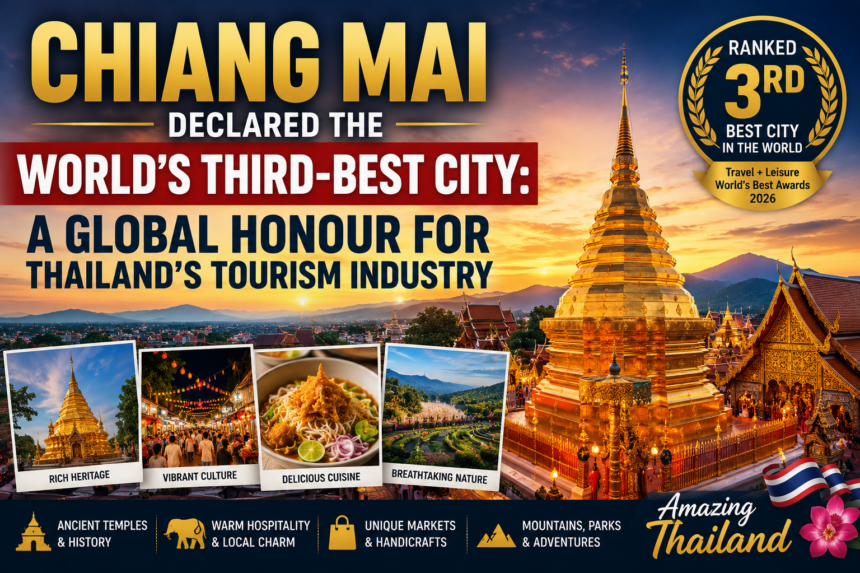
Thailand’s historic northern city Chiang Mai has earned one of the world’s most prestigious travel recognitions after being ranked as the third-best city in the world in the Travel + Leisure World’s Best Awards 2026. The annual rankings, based on votes from more than 207,000 readers worldwide, recognized Chiang Mai for its centuries-old Lanna culture, magnificent Buddhist temples, rich culinary traditions, breathtaking mountain landscapes, vibrant markets, and warm hospitality.
The achievement places Chiang Mai behind only San Miguel de Allende (Mexico) and Kyoto (Japan) while ranking ahead of globally renowned destinations including Bangkok, Siem Reap, and Tokyo. It also makes Chiang Mai the second-highest ranked city in Asia, reinforcing Thailand’s position as one of the world’s leading tourism destinations.
The recognition comes at a significant moment, as Chiang Mai is also moving closer to securing UNESCO World Heritage Site status, which could further elevate its global reputation and attract millions more international visitors.
Why Chiang Mai Was Ranked the World’s Third-Best City
According to Travel + Leisure, readers evaluated cities across multiple categories, including:
- Tourist attractions
- Historical heritage
- Local culture
- Food and dining
- Hospitality
- Shopping
- Scenic beauty
- Value for money
- Overall travel experience
Chiang Mai received particularly high scores for its authentic cultural atmosphere, peaceful environment, traditional architecture, and friendly local communities. Unlike many large metropolitan cities, Chiang Mai successfully blends modern conveniences with centuries-old traditions, offering visitors a unique travel experience.
A City Rich in History
Founded in 1296, Chiang Mai served as the capital of the ancient Lanna Kingdom for several centuries.
The city’s historic center is surrounded by:
- Ancient brick walls
- Defensive moats
- Historic gates
- Traditional wooden houses
- More than 300 Buddhist temples
Many of these landmarks remain remarkably well preserved, giving visitors an opportunity to experience northern Thailand’s rich cultural heritage.
Famous Temples That Attract Millions
One of Chiang Mai’s greatest attractions is its remarkable collection of Buddhist temples.
Among the most famous are:
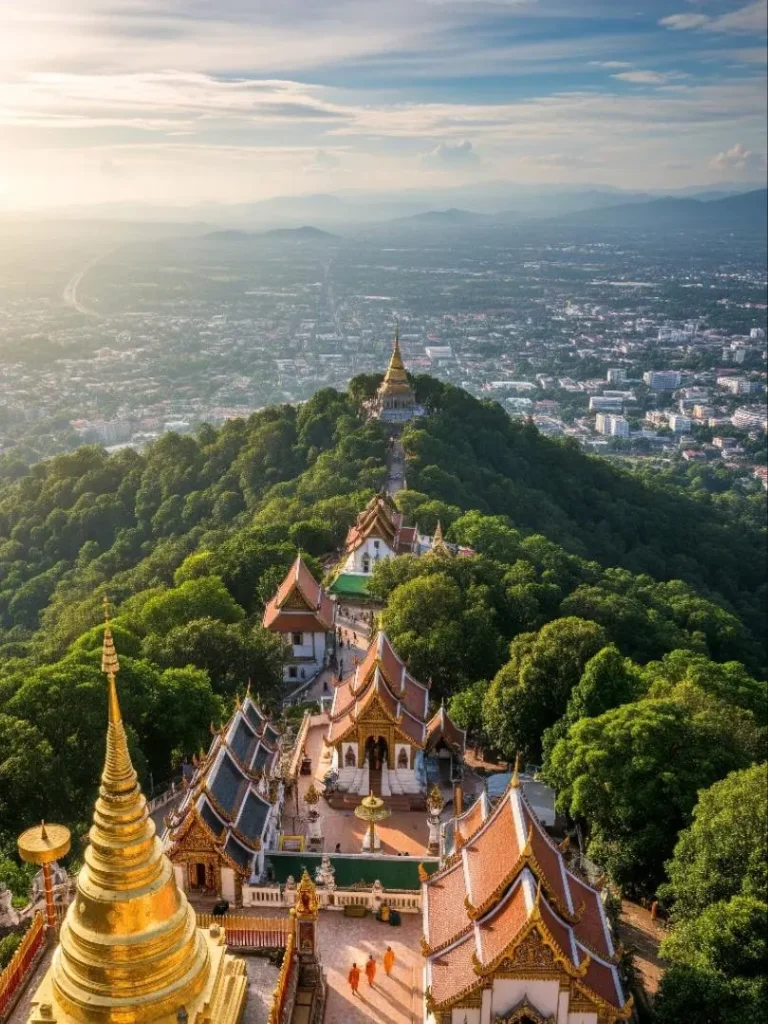
Wat Phra That Doi Suthep
Situated on a mountain overlooking the city, this temple offers panoramic views and is considered one of Thailand’s most sacred pilgrimage sites.
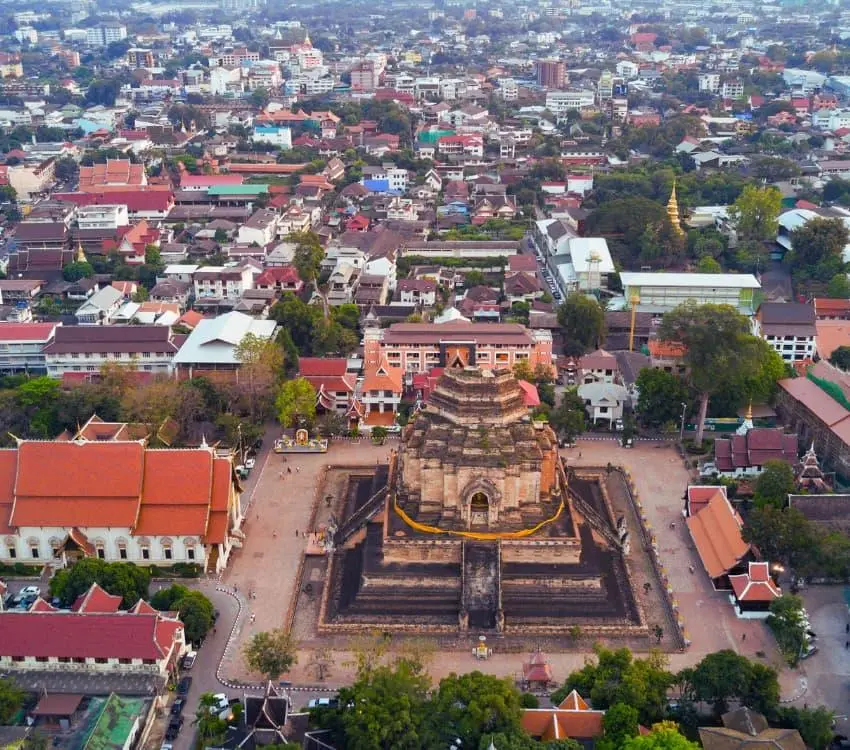
Wat Chedi Luang
Known for its massive partially restored chedi, the temple dates back to the 14th century and remains one of Chiang Mai’s most visited historical landmarks.
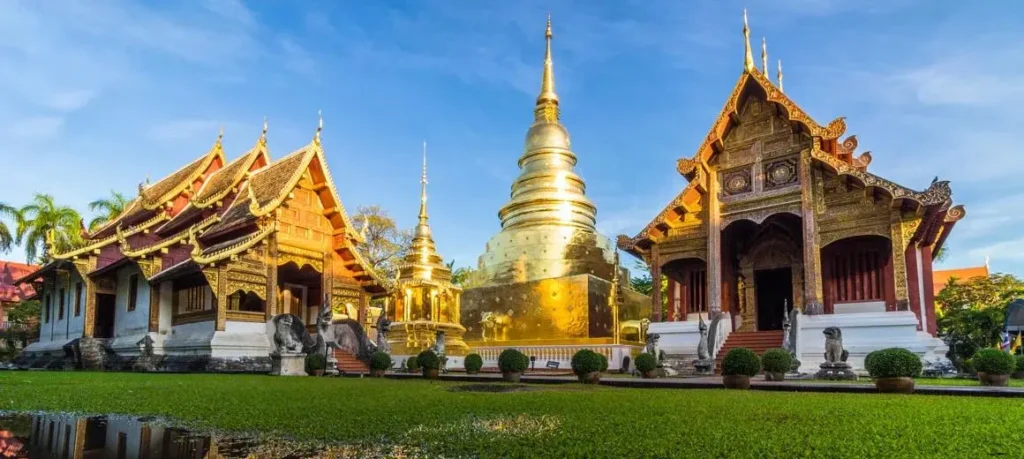
Wat Phra Singh
Famous for its classic Lanna architecture and revered Buddha image, this temple is another major attraction for both Thai and international visitors.
These spiritual landmarks continue to play an important role in preserving the city’s cultural identity.
A Paradise for Food Lovers
Chiang Mai has become internationally recognized for its diverse culinary scene.
Popular local dishes include:
- Khao Soi
- Sai Ua (Northern Thai sausage)
- Nam Prik Ong
- Sticky Rice
- Mango Sticky Rice
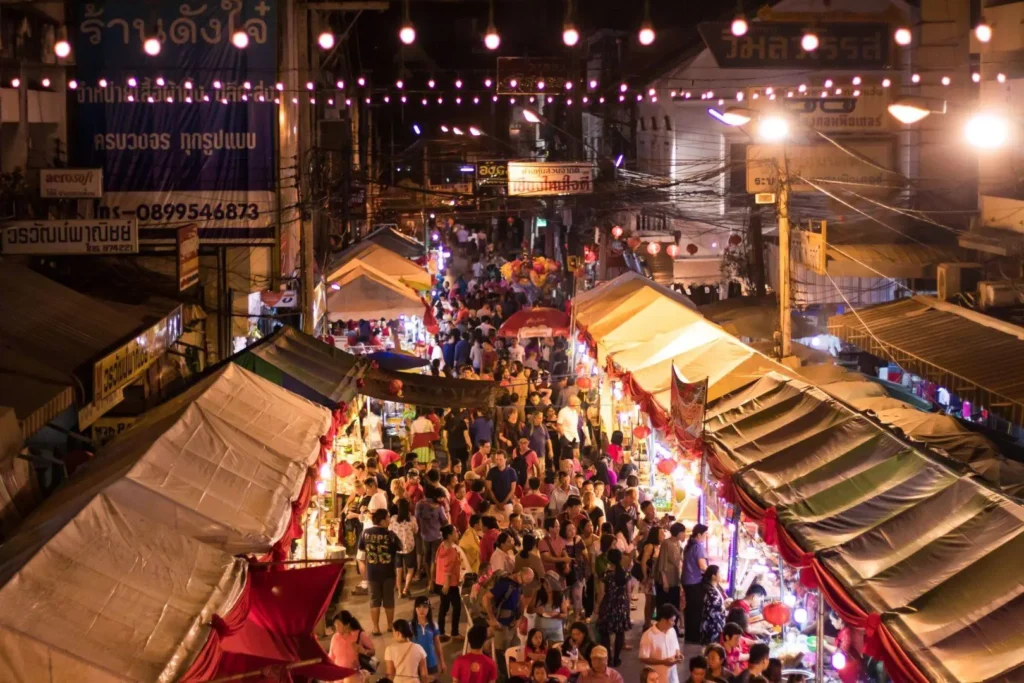
The city’s famous night markets and street food stalls offer visitors authentic northern Thai cuisine at affordable prices.
Food tourism has become one of Chiang Mai’s strongest attractions, drawing travelers from around the world.
Beautiful Natural Landscapes
Beyond its cultural attractions, Chiang Mai is surrounded by spectacular mountain scenery.
Visitors can explore:
- Doi Suthep National Park
- Doi Inthanon National Park
- Waterfalls
- Tea plantations
- Coffee farms
- Elephant sanctuaries
- Nature trails
The combination of mountains, forests, and pleasant weather makes Chiang Mai one of Southeast Asia’s most attractive eco-tourism destinations.
Vibrant Markets and Handicrafts
Chiang Mai is also famous for its colorful local markets.
Major shopping destinations include:
- Sunday Walking Street
- Saturday Night Market
- Chiang Mai Night Bazaar
- Local handicraft villages
Visitors can purchase:
- Handmade textiles
- Silver jewelry
- Wood carvings
- Umbrellas
- Ceramics
- Traditional artwork
These markets contribute significantly to the local economy while preserving traditional craftsmanship.
Warm Hospitality
Travel + Leisure readers repeatedly praised Chiang Mai’s welcoming atmosphere.
Local residents are widely recognized for their friendliness, helpfulness, and strong sense of community.
Many travelers describe Chiang Mai as offering a slower, more relaxed lifestyle compared to larger Asian cities.
This reputation has made the city especially popular among:
- Digital nomads
- Retirees
- Solo travelers
- Families
- Backpackers
Tourism’s Growing Economic Importance
Tourism plays a vital role in Chiang Mai’s economy.
The city’s hospitality industry supports:
- Hotels
- Restaurants
- Tour operators
- Transportation services
- Retail businesses
- Local artisans
International recognition is expected to increase tourist arrivals, create employment opportunities, and strengthen local businesses.
Officials believe the Travel + Leisure ranking will further enhance Thailand’s global tourism brand.
UNESCO World Heritage Ambitions
One of the most exciting developments for Chiang Mai is its ongoing effort to secure UNESCO World Heritage status.
If approved, UNESCO recognition would:
- Increase international visibility.
- Encourage heritage conservation.
- Boost tourism.
- Attract research and cultural investment.
- Protect historical monuments.
Experts believe UNESCO status would further establish Chiang Mai as one of Asia’s premier cultural destinations.
Thailand Dominates Global Rankings
Chiang Mai was not Thailand’s only success in the 2026 World’s Best Awards.
Other achievements included:
- Bangkok ranking among the world’s top cities.
- Koh Samui being named the World’s Best Island.
These results demonstrate Thailand’s continued strength across cultural, urban, and beach tourism categories.
Why Tourists Love Chiang Mai
Travel experts identify several reasons for Chiang Mai’s popularity:
- Rich historical heritage.
- Authentic local culture.
- Affordable travel.
- Excellent food.
- Beautiful mountains.
- Safe environment.
- Friendly people.
- Modern infrastructure.
- Excellent cafés for remote workers.
- Numerous cultural festivals.
This combination appeals to travelers seeking meaningful cultural experiences rather than only luxury tourism.
Benefits for Thailand’s Tourism Industry
The international recognition is expected to generate several benefits:
- Increased international tourist arrivals.
- Higher tourism revenue.
- Growth in hotel occupancy.
- More international flights.
- Greater investment in tourism infrastructure.
- Increased employment opportunities.
Officials believe the award strengthens Thailand’s image as one of the world’s leading travel destinations.
Challenges Ahead
Despite the recognition, Chiang Mai continues to face several challenges.
These include:
- Seasonal air pollution caused by regional forest fires.
- Sustainable tourism management.
- Heritage conservation.
- Traffic congestion during peak tourist seasons.
- Environmental protection.
Experts stress that maintaining high standards of environmental management will be essential for preserving the city’s global reputation.
Global Competition
The Travel + Leisure World’s Best Awards are among the travel industry’s most respected recognitions.
This year’s rankings were based on votes from more than 207,000 readers, covering thousands of destinations, hotels, airlines, islands, and travel experiences worldwide.
Competing successfully against world-famous destinations highlights Chiang Mai’s growing international appeal.
Conclusion
Chiang Mai’s recognition as the third-best city in the world represents a landmark achievement for Thailand’s tourism industry. With its centuries-old history, magnificent temples, exceptional cuisine, mountain landscapes, vibrant markets, and welcoming culture, the city has captured the admiration of travelers across the globe.
As Chiang Mai moves closer to UNESCO World Heritage recognition, its international profile is expected to grow even further. If the city continues balancing tourism development with heritage conservation and environmental sustainability, it is likely to remain one of the world’s most admired travel destinations for years to come.