

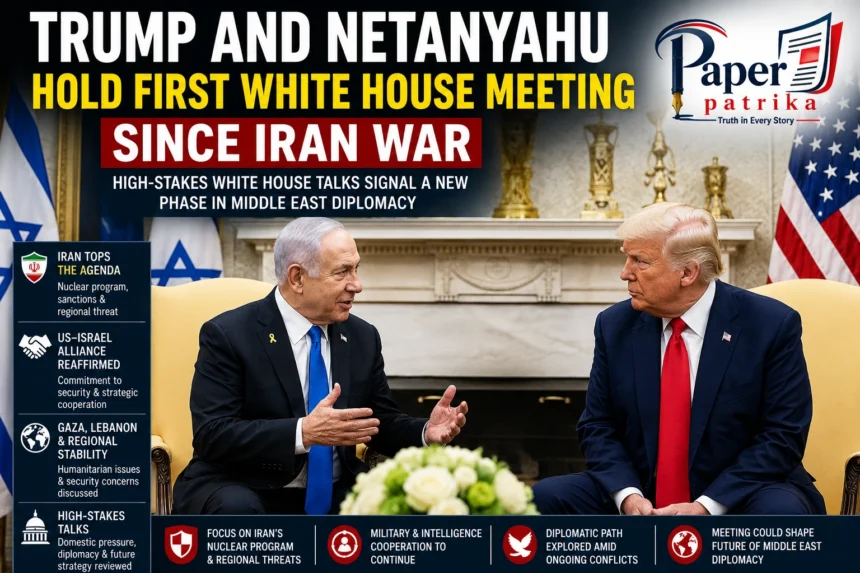
Trump and Netanyahu Meet for the First Time Since Launching the Iran War: High-Stakes White House Talks Signal a New Phase in Middle East Diplomacy.
By PaperPatrika World Affairs Desk
In one of the most closely watched diplomatic meetings of the year, U.S. President Donald Trump welcomed Israeli Prime Minister Benjamin Netanyahu to the White House for their first face-to-face meeting since the launch of the Iran war. The meeting comes at a critical moment as both leaders seek to manage the military, political, and diplomatic consequences of months of regional conflict while addressing growing domestic and international pressure.
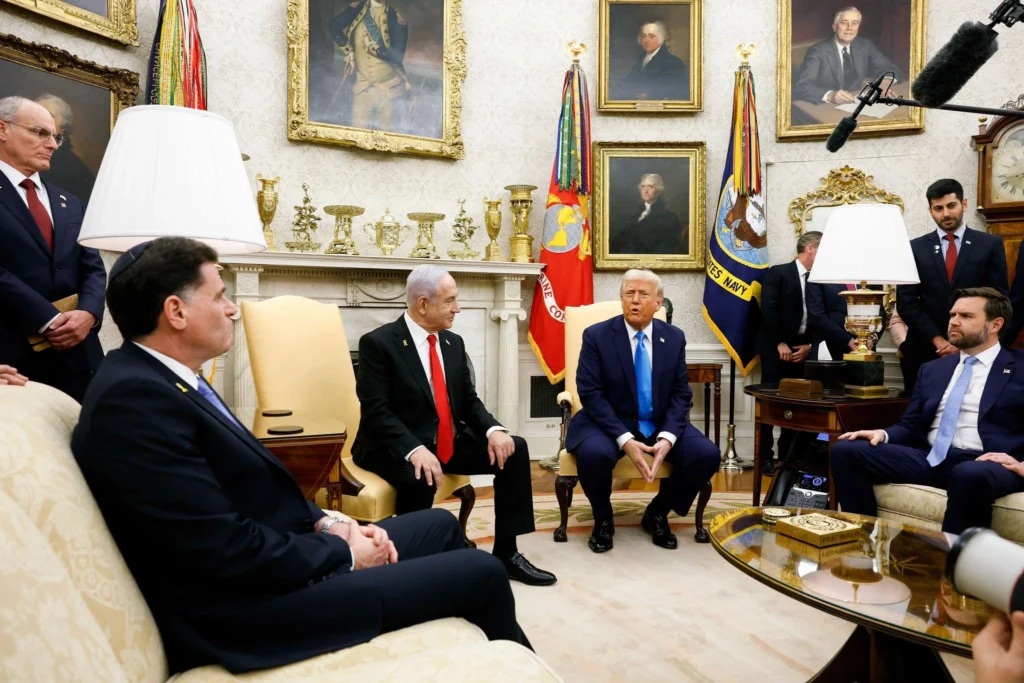
Although the United States and Israel remain strategic allies, the meeting highlighted both their continued cooperation and emerging differences over the next phase of policy toward Iran. Officials described the discussions as “excellent” and constructive, but analysts note that important strategic questions remain unresolved. (AP News)
First Meeting Since the Iran Conflict Began
Tuesday’s meeting marked the first in-person talks between Trump and Netanyahu since the United States and Israel jointly initiated military operations against Iran earlier this year.
The conflict significantly altered the geopolitical landscape of the Middle East. Retaliatory attacks followed air strikes targeting Iranian military and nuclear facilities, heightened regional tensions, and renewed concerns about energy security and maritime trade through the Strait of Hormuz.
While the initial military campaign demonstrated unprecedented military coordination between Washington and Jerusalem, recent months have exposed differences over how the conflict should evolve. (Axios)
Iran Tops the Agenda
Iran remained the dominant topic during the White House discussions.
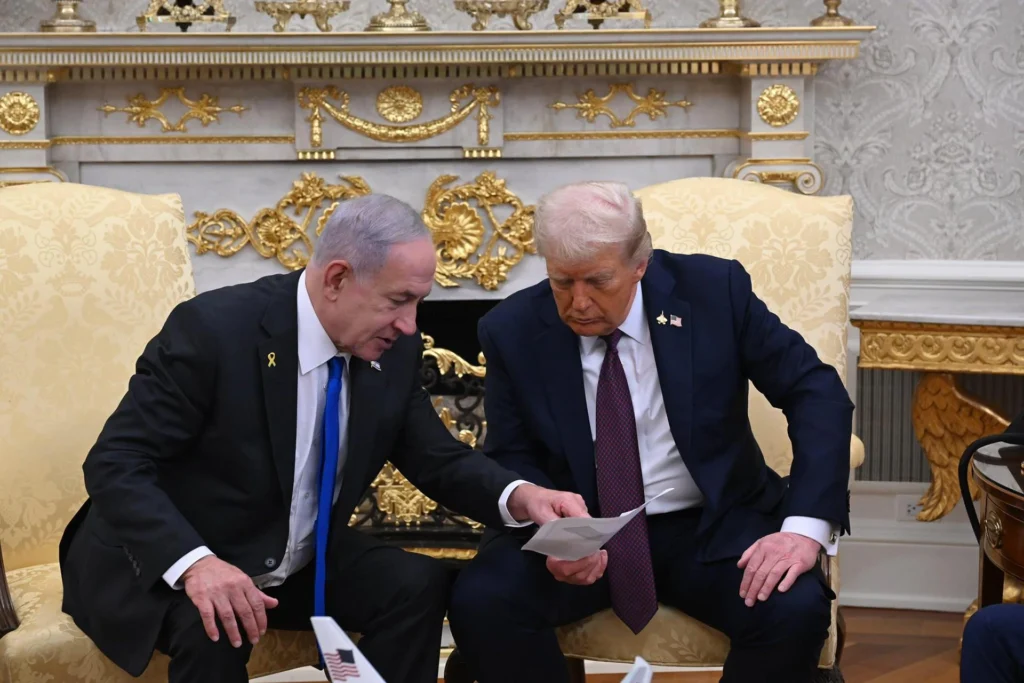
Before departing for Washington, Netanyahu said that protecting Israel’s security and addressing the Iranian challenge would be his highest priority during talks with President Trump. He also emphasized the broader objective of expanding peace agreements across the region while maintaining pressure on Tehran. (Investing.com)
According to officials familiar with the meeting, discussions included:
- Iran’s nuclear programme.
- Future military strategy.
- Intelligence cooperation.
- Regional deterrence.
- Economic sanctions.
- Maritime security.
- Diplomatic engagement.
Despite shared concerns regarding Iran’s capabilities, reports suggest both governments are evaluating different approaches to achieving long-term regional stability. (The Times of India)
Signs of Strategic Differences
Although both leaders publicly emphasized unity, several reports indicate that differences have emerged since the initial phase of the conflict.
President Trump has reportedly shown greater interest in combining military pressure with diplomatic engagement, while Netanyahu continues advocating a tougher security posture toward Iran.
Analysts say these differences do not represent a breakdown in U.S.-Israel relations but rather reflect evolving assessments of regional risks after months of military operations. (Axios)
Gaza and Lebanon Also Discussed
Beyond Iran, the two leaders reviewed developments in Gaza and along Israel’s northern border with Lebanon.
Officials indicated that they discussed:
- Humanitarian conditions in Gaza.
- Security arrangements.
- Israel-Lebanon understandings.
- Possible international stabilization efforts.
- Regional diplomatic initiatives.
The Middle East remains interconnected, meaning progress—or setbacks—in one conflict often affects neighbouring countries. Consequently, Washington and Jerusalem continue coordinating across multiple theatres simultaneously. (AP News)
Domestic Political Pressures
The meeting also took place against the backdrop of significant domestic political challenges.
Prime Minister Netanyahu faces intense political scrutiny ahead of upcoming elections, with opposition parties criticizing both the handling of the Iran conflict and broader security policy.
President Trump likewise faces pressure at home to demonstrate that U.S. military involvement is producing measurable strategic gains without escalating into a prolonged regional war.
These domestic considerations are expected to influence future policy decisions made by both governments. (Axios)
Strength of the U.S.–Israel Alliance
Despite tactical differences, the meeting reaffirmed the enduring strategic partnership between the United States and Israel.
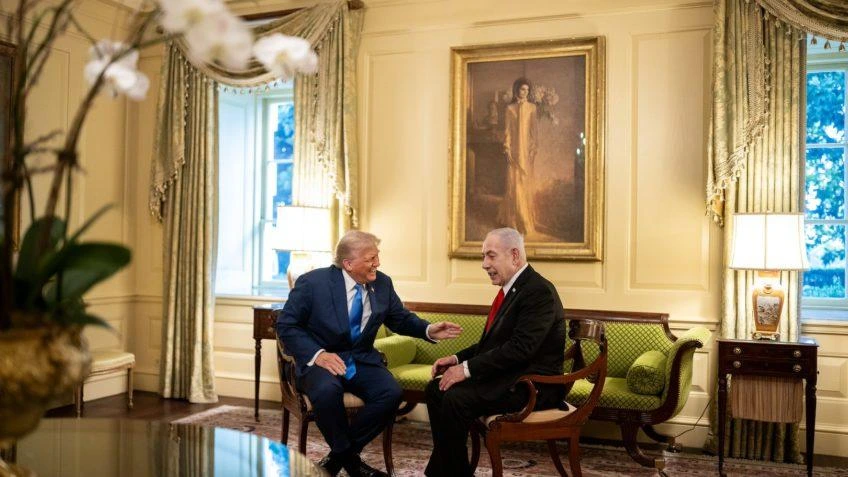
Military cooperation continues across several areas:
- Intelligence sharing.
- Missile defence.
- Counter-terrorism.
- Cybersecurity.
- Regional surveillance.
- Joint military planning.
Officials stressed that cooperation remains strong even when policy debates occur regarding operational decisions.
Regional Implications
The outcome of the White House discussions carries implications beyond Washington and Jerusalem.
Countries closely monitoring the talks include:
- Iran
- Saudi Arabia
- United Arab Emirates
- Jordan
- Egypt
- Lebanon
- Qatar
- Turkey
Financial markets also remain sensitive to developments because instability in the Middle East can affect:
- Global oil prices.
- Shipping through the Strait of Hormuz.
- Inflation.
- Energy supplies.
- International trade routes.
Diplomatic signals emerging from Washington therefore influence governments and investors worldwide.
International Response
Governments across Europe and Asia continue encouraging diplomatic engagement while supporting efforts to prevent wider regional escalation.
Many international observers believe sustained dialogue between Washington and Jerusalem will be essential for reducing uncertainty and maintaining stability after months of conflict.
International organizations have also emphasized humanitarian concerns, particularly regarding civilians affected by ongoing regional violence.
Why This Meeting Matters
Political analysts consider the meeting significant for several reasons.
First, it demonstrates that the highest levels of U.S.-Israel coordination remain active despite policy disagreements.
Second, it provides an opportunity to redefine military and diplomatic priorities after months of conflict.
Third, decisions made during these discussions could influence future negotiations involving Iran, regional security arrangements, and broader Middle East diplomacy.
Finally, the meeting sends an important message to allies and adversaries alike regarding the continued strategic relationship between the United States and Israel.
What Comes Next?
Although no major policy announcements were made immediately following the talks, officials suggested that consultations between both governments will continue in the coming weeks.
Future developments could include:
- Expanded diplomatic initiatives.
- Additional security cooperation.
- Continued sanctions coordination.
- Regional peace discussions.
- Further military planning if required.
Observers will also watch whether renewed diplomacy can reduce tensions while preserving deterrence.
Conclusion
The first White House meeting between President Donald Trump and Prime Minister Benjamin Netanyahu since the launch of the war in Iran represents a pivotal moment in Middle East diplomacy. While both leaders reaffirmed their commitment to preventing Iran from threatening regional security, the discussions also revealed evolving strategic priorities as the conflict enters a new phase.
With Iran, Gaza, Lebanon, regional stability, and international security all on the agenda, the meeting underscores the complexity of today’s geopolitical environment. Whether these talks lead to greater diplomatic momentum or further strategic adjustments will likely shape the next chapter of U.S.-Israel relations and the broader future of the Middle East.
Also Read: –
US Expands Iran Attacks as Trump Warns Tehran and Houthis Over Red Sea Strikes
West Asia War: U.S. Strikes Iran for 10th Consecutive Night as Tehran Targets Tanker in the Strait of Hormuz
US-Iran News: Iran Suspends Islamabad MoU After Alleged US Violations; Air Raid Sirens Sound Again in Bahrain