

New Delhi | Special Report
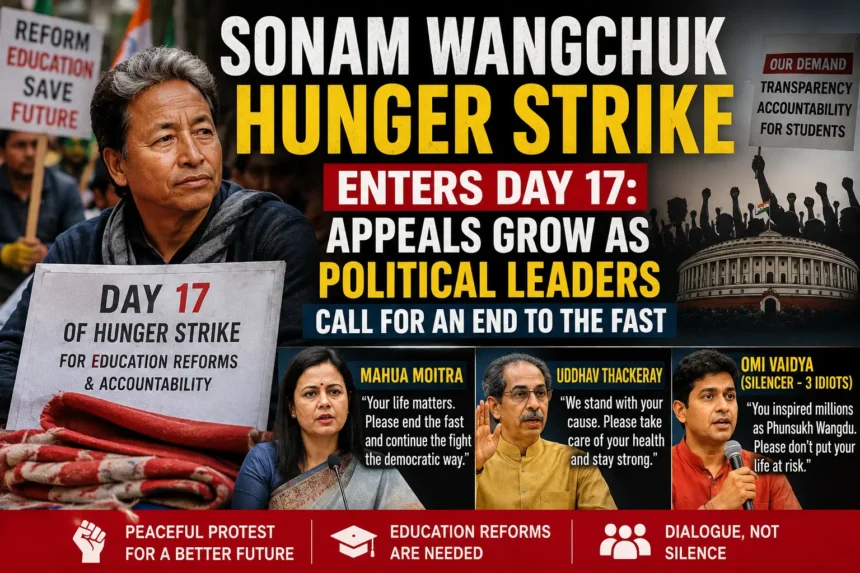
Renowned engineer, education reform advocate, and climate activist Sonam Wangchuk has entered the 17th day of his indefinite hunger strike, intensifying public debate over education reforms and government accountability. His fast, organized alongside the Cockroach Janta Party (CJP), has drawn widespread attention from students, civil society groups, and political leaders across India. As concerns over his deteriorating health grow, several prominent opposition leaders—including Mahua Moitra, Uddhav Thackeray, and actor Omi Vaidya (known for playing “Silencer” in 3 Idiots)—have appealed to Wangchuk to end his fast while continuing the movement through democratic means.
The protest centers on demands for greater accountability in India’s education system, including action on alleged examination irregularities and calls for the resignation of Union Education Minister Dharmendra Pradhan. Supporters argue that the movement represents a broader demand for transparency and institutional reforms, while critics urge that Wangchuk’s life should not be placed at risk.
Why Sonam Wangchuk Started the Hunger Strike
According to Wangchuk and organizers, the protest seeks to highlight concerns regarding:
- Alleged examination irregularities.
- Accountability in the education system.
- Student welfare.
- Institutional transparency.
- Public responsibility in governance.
The organizers have maintained that the protest is peaceful and intended to draw national attention to issues affecting millions of students.
Health Concerns Continue to Rise
As the hunger strike entered its 17th day, supporters expressed increasing concern over Wangchuk’s health.
Earlier during the fast, Wangchuk said he had lost significant weight but remained mentally determined to continue his protest. Medical observers and supporters have nevertheless warned that prolonged fasting can lead to serious complications if continued without intervention.
Mahua Moitra Appeals: “Your Life Matters”
Trinamool Congress MP Mahua Moitra publicly appealed to Wangchuk to end his fast, emphasizing that his life is too valuable to risk.
In her message, she urged him to continue fighting for education reforms through democratic and constitutional means rather than through an indefinite fast. Her appeal reflects growing concern among political leaders who support the issues being raised but fear for Wangchuk’s health.
Uddhav Thackeray Extends Support
Shiv Sena (UBT) chief Uddhav Thackeray also voiced support for Wangchuk and the movement.
While backing the demand for accountability, Thackeray reportedly appealed to Wangchuk to protect his health and encouraged broader political support for the campaign. He also called upon other opposition parties to engage with the concerns raised by the protest. (The Times of India)
Omi Vaidya’s Emotional Appeal
Actor Omi Vaidya, remembered worldwide for portraying “Silencer” in the film 3 Idiots, made an emotional appeal after Wangchuk’s condition drew increasing public attention.
Referring to Wangchuk as the real-life inspiration behind the film’s iconic character, Vaidya urged him to end the hunger strike, saying he did not want to lose someone who had inspired millions through education and innovation. (Hindustan Times)
“Government Doesn’t Care”
Some supporters of the movement have criticized the government’s response, arguing that the concerns raised by students and activists deserve greater engagement.
At the same time, no comprehensive official response addressing all of the protesters’ demands had been announced at the time of these appeals. The absence of direct negotiations has become a central issue in public discussions surrounding the protest.
Public Support Continues
The protest has gained traction on social media and among student groups.
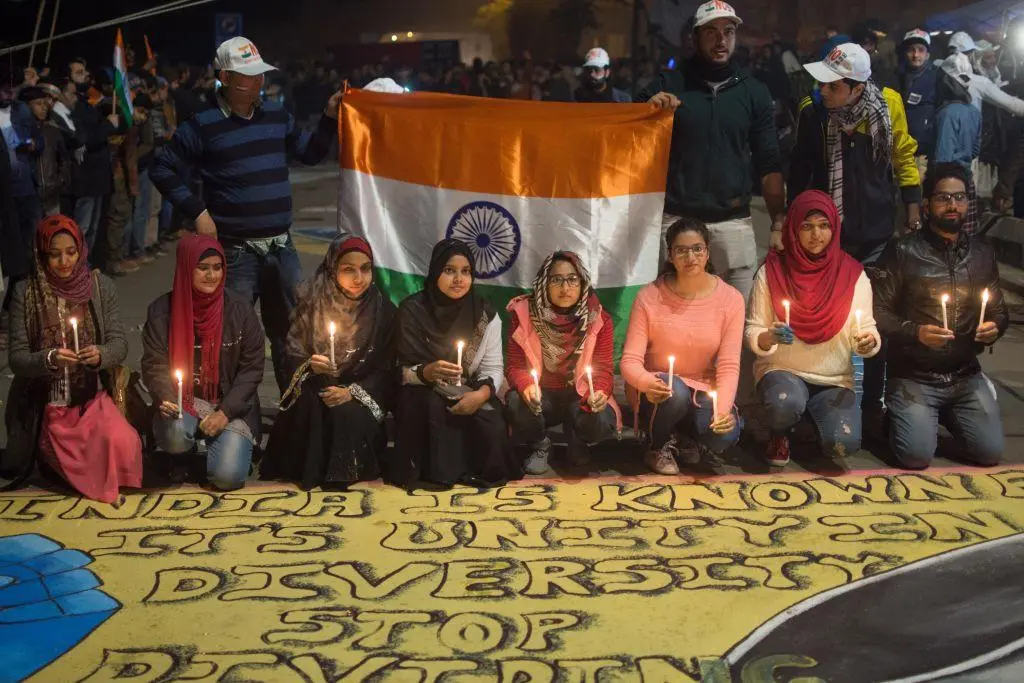
Supporters have organized:
- Peaceful demonstrations.
- Online awareness campaigns.
- Candlelight gatherings.
- Student discussions.
- Public signature campaigns.
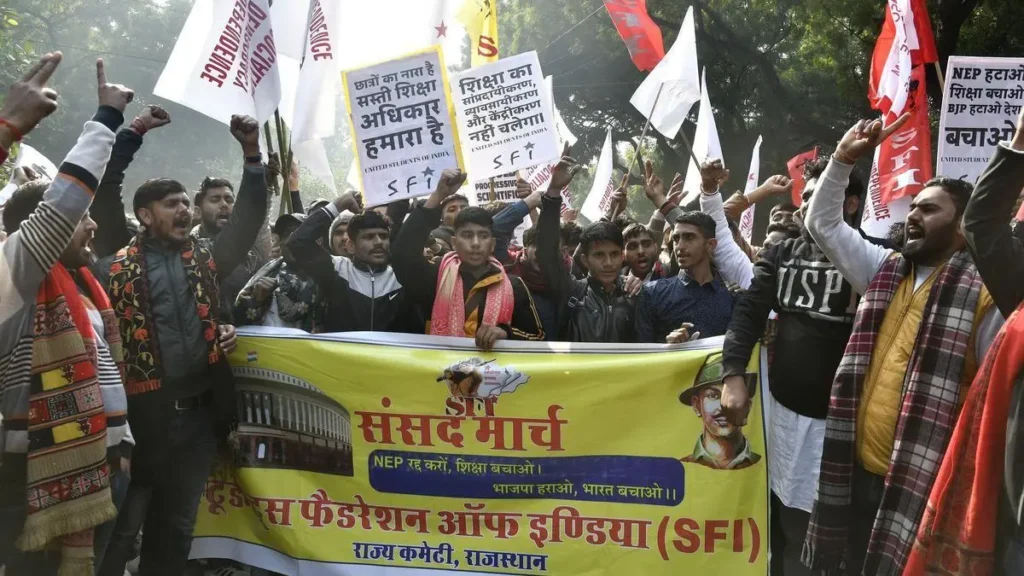
Organizers have also announced plans for a peaceful march to Parliament later this month, urging citizens to participate peacefully.
Sonam Wangchuk’s Contribution to India
Sonam Wangchuk is widely known for his work in:
- Educational innovation.
- Sustainable development.
- Climate awareness.
- Rural education.
- Himalayan environmental conservation.
He founded the Students’ Educational and Cultural Movement of Ladakh (SECMOL) and has received international recognition for promoting practical learning and sustainable technologies. His work also inspired the character “Phunsukh Wangdu” in the Bollywood film 3 Idiots. (Wikipedia)
Broader Debate on Education Reforms
The hunger strike has reignited discussions on several issues affecting India’s education system, including:
- Examination integrity.
- Student trust.
- Institutional accountability.
- Transparent recruitment and testing.
- Governance reforms.
Education experts note that maintaining public confidence in examinations is essential for students and institutions alike.
The Role of Peaceful Protest
India’s Constitution protects peaceful protest as a democratic means of expressing grievances, subject to applicable laws and public order.
Wangchuk has repeatedly described his movement as peaceful and has encouraged supporters to avoid violence.
What Happens Next?
Attention is now focused on whether:
- The government engages in dialogue.
- Protest organizers modify their strategy.
- Wangchuk accepts appeals to end the fast.
- Further negotiations take place.
Political leaders, supporters, and medical professionals continue to emphasize the importance of protecting Wangchuk’s health while pursuing democratic dialogue.
Conclusion
Sonam Wangchuk’s hunger strike has evolved into a national conversation about education, accountability, and democratic engagement. As the fast enters its seventeenth day, appeals from leaders such as Mahua Moitra, Uddhav Thackeray, and Omi Vaidya underscore a shared concern for Wangchuk’s well-being, even among those who support the broader goals of the movement. Whether the protest leads to policy changes or formal negotiations remains uncertain, but it has undoubtedly intensified public discussion on the future of education reforms in India.