

New Delhi | July 18, 2026
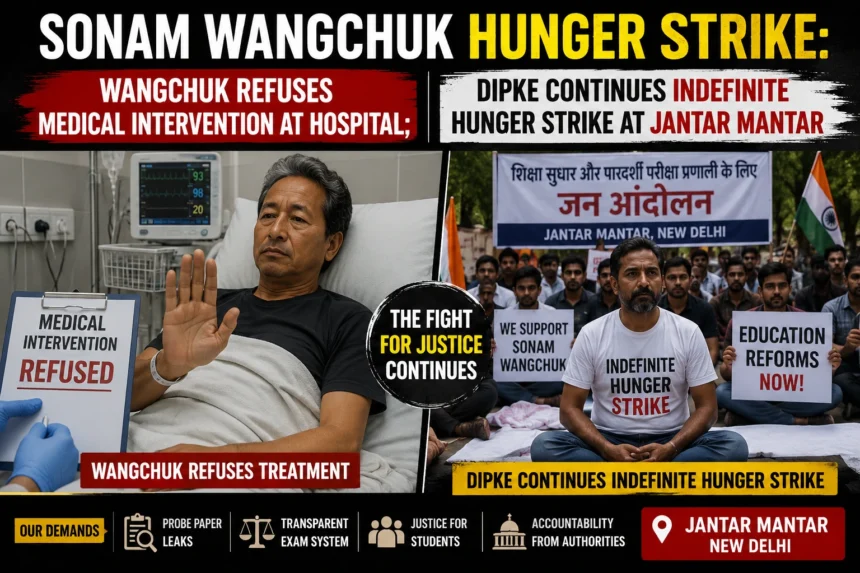
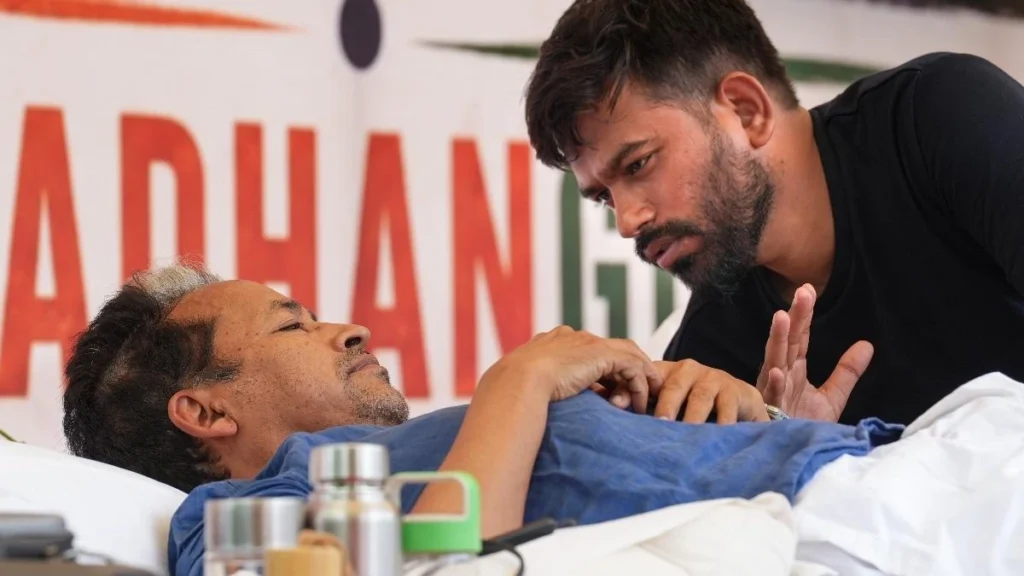
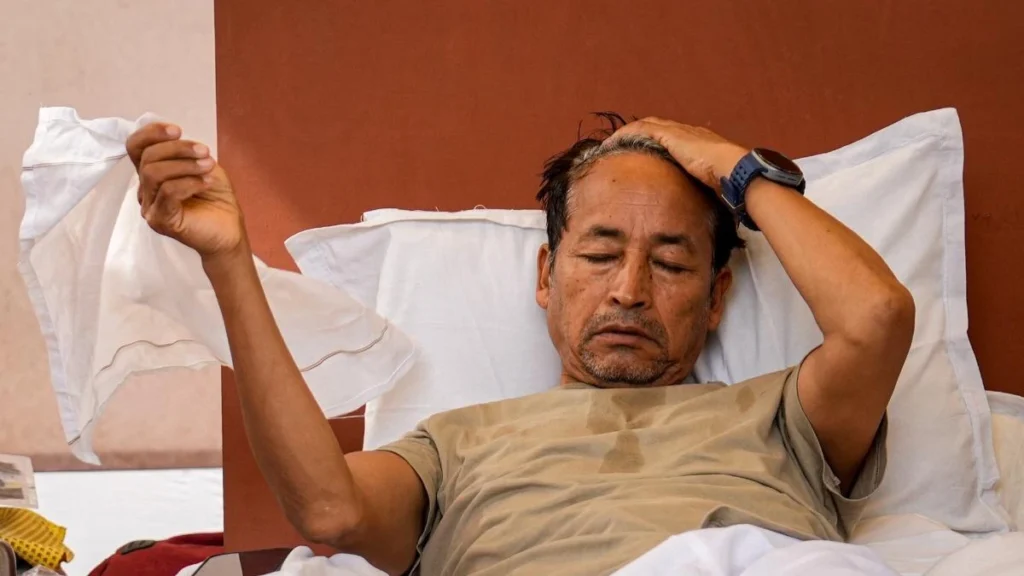
The ongoing protest led by environmentalist and education reform advocate Sonam Wangchuk took a dramatic turn on Saturday after he was shifted to Safdarjung Hospital following a deterioration in his health caused by a prolonged hunger strike. Despite being admitted under medical supervision, Wangchuk reportedly refused medical intervention, insisting that his fast would continue until the government initiated meaningful dialogue on the protesters’ demands.
Meanwhile, the movement gained fresh momentum at Jantar Mantar, where Abhijeet Dipke, founder of the CJP, announced he would continue the agitation by launching an indefinite hunger strike, ensuring the campaign remains active despite Wangchuk’s hospitalization.
Wangchuk Hospitalised After Health Deteriorates
After more than three weeks of continuous fasting, Sonam Wangchuk’s health reportedly weakened significantly. Medical professionals monitoring the protest advised immediate hospitalization, warning that prolonged fasting had increased the risk of serious complications, including electrolyte imbalance, dehydration, and organ stress.
Acting on medical advice, Delhi Police shifted Wangchuk from Jantar Mantar to Safdarjung Hospital, stating that the move was necessary to protect his life and comply with legal obligations regarding his health.
Refuses Medical Treatment
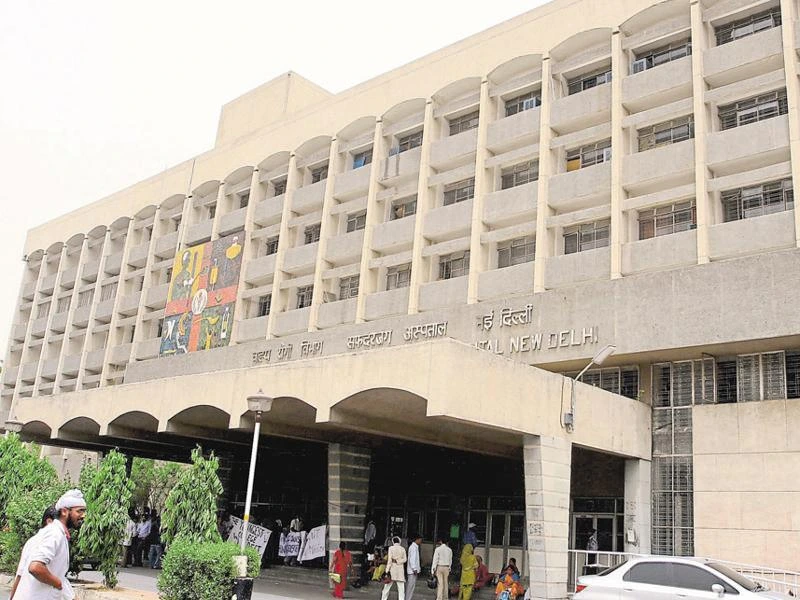
Hospital sources indicated that although Wangchuk agreed to routine medical observation, he declined active medical intervention, including intravenous fluids, nutritional supplements, and other treatment intended to stabilize his condition.
According to people close to the protest, Wangchuk believes accepting medical support while continuing the hunger strike would dilute the moral significance of his protest. He reportedly maintained that he would only reconsider his position if the government agreed to meaningful discussions regarding the movement’s demands.
Doctors continue to monitor his vital signs around the clock, describing his condition as stable but medically fragile due to prolonged fasting.
Delhi Police Defend Their Decision
Delhi Police defended the decision to move Wangchuk to the hospital, emphasizing that it was based entirely on medical advice rather than political considerations.
Officials said that allowing a fasting protester in deteriorating health to remain at the protest site could have posed a serious threat to his life. The police also maintained that the transfer was carried out peacefully while ensuring public order.
Authorities rejected allegations that Wangchuk was forcibly removed to suppress the protest, insisting that the action was taken solely to safeguard his health.
Abhijeet Dipke Takes Charge of the Protest
Following Wangchuk’s hospitalization, Abhijeet Dipke announced that he would begin an indefinite hunger strike at Jantar Mantar to ensure the movement continues uninterrupted.
Addressing supporters, Dipke said the protest was never about one individual but about protecting the future of students and restoring credibility to India’s examination system.
“This movement belongs to every student who wants transparency, accountability, and fairness. If one leader is forced to leave the protest site for health reasons, the movement will continue with even greater determination,” he said.
Core Demands of the Protest
The movement continues to press for several key reforms, including:
- Comprehensive reforms in India’s examination system.
- Independent investigation into alleged examination irregularities.
- Strict action against those responsible for paper leaks.
- Greater transparency in recruitment and competitive examinations.
- Accountability within educational institutions.
- Structural reforms to restore public confidence in national examinations.
Supporters argue that repeated allegations of examination malpractice have severely affected millions of students across the country.
Protest Continues at Jantar Mantar
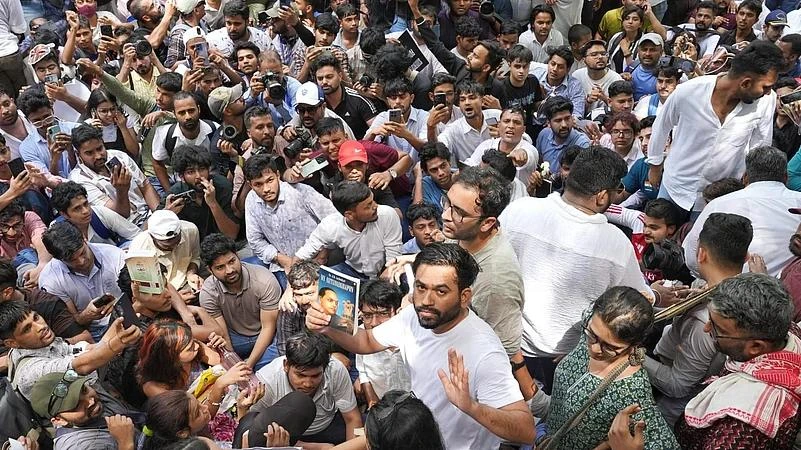
Despite Wangchuk’s absence, hundreds of supporters remained at Jantar Mantar throughout the day.
Students, social activists, teachers, and civil society groups gathered to express solidarity with the movement. Protesters carried placards demanding education reforms and called upon the government to begin negotiations instead of allowing the situation to escalate further.
Organizers repeatedly appealed to participants to maintain peace and follow democratic methods throughout the protest.
“Chalo Parliament” March to Continue
Movement leaders confirmed that the planned “Chalo Parliament” march on July 20 would proceed as scheduled.
Dipke urged supporters from across the country to participate peacefully, saying the march aims to highlight the concerns of students before lawmakers.
According to organizers, the demonstration will remain entirely non-violent and focus on constitutional methods of protest.
Political Reactions Intensify
The hospitalization of Sonam Wangchuk has triggered widespread political reactions.
Several opposition leaders criticized the government’s handling of the protest, arguing that meaningful dialogue should have taken place much earlier. They maintained that peaceful protest is a fundamental democratic right and should be met with engagement rather than confrontation.
Government officials, however, have reiterated that protecting Wangchuk’s health was their primary responsibility.
Doctors Express Concern
Medical experts have expressed concern over the prolonged hunger strike.
According to doctors, extended fasting can result in:
- Severe dehydration
- Electrolyte imbalance
- Low blood pressure
- Muscle loss
- Cardiac complications
- Organ dysfunction
Doctors continue encouraging Wangchuk to accept treatment, while respecting his right to make informed decisions regarding medical care.
Social Media Witnesses Massive Support
The developments quickly became one of the most discussed topics on social media.
Hashtags such as:
- #SonamWangchuk
- #HungerStrike
- #EducationReforms
- #JantarMantar
- #StudentsForJustice
trended across multiple platforms as users debated the government’s response, the ethics of prolonged fasting, and the need for reforms in India’s examination system.
Education Reform Back in National Spotlight
Policy experts believe the movement has once again drawn national attention to structural issues affecting India’s education sector.
Concerns over examination integrity, recruitment transparency, and institutional accountability have increasingly become subjects of public debate, particularly after several recent controversies involving competitive examinations.
Analysts suggest that the current movement could encourage policymakers to accelerate reforms if constructive dialogue takes place.
Government Faces a Delicate Challenge
The government now faces the difficult task of balancing two priorities:
- Ensuring Wangchuk’s health and safety.
- Addressing the concerns raised by protesters without allowing the situation to escalate.
Observers believe that prolonged confrontation could intensify public attention, whereas meaningful dialogue may help de-escalate tensions.
Democracy and Peaceful Protest
Constitutional experts note that peaceful protest remains an important feature of any democratic society.
While authorities have a responsibility to protect life and maintain law and order, governments are also expected to engage with citizens raising legitimate public concerns through peaceful means.
The present situation has therefore become not only a health issue but also a broader discussion about democratic participation and public accountability.
What Happens Next?
Attention is now focused on three key developments:
- Sonam Wangchuk’s health condition at Safdarjung Hospital.
- Abhijeet Dipke’s indefinite hunger strike at Jantar Mantar.
- The proposed “Chalo Parliament” march scheduled for July 20.
These events are expected to determine the future direction of the movement.
Conclusion
Sonam Wangchuk’s refusal to accept medical intervention despite hospitalization has added a new dimension to an already significant public protest. At the same time, Abhijeet Dipke’s decision to continue the indefinite hunger strike at Jantar Mantar signals that the movement remains active despite Wangchuk’s absence from the protest site.
While authorities maintain that hospitalization was necessary to protect Wangchuk’s health, protesters insist that the focus should now shift toward dialogue and meaningful education reforms. As the country watches developments unfold, the coming days are likely to be crucial in determining whether the situation moves toward negotiation or further confrontation.
Also Read: – Kejriwal Visits Sonam Wangchuk at Jantar Mantar, Recalls 2011 Anna Hazare Anti-Corruption Movement