
Washington, D.C. / California | July 19, 2026 | PaperPatrika Special Report
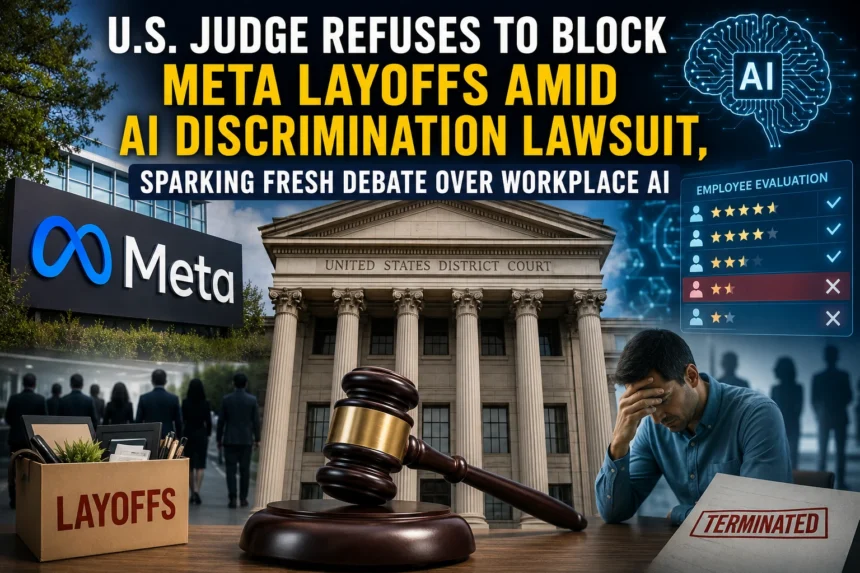
A U.S. federal judge has declined to temporarily stop Meta Platforms Inc., the parent company of Facebook, Instagram, and WhatsApp, from proceeding with layoffs of employees who filed a lawsuit alleging that the company used artificial intelligence (AI) in a discriminatory manner during its workforce reduction process. The decision marks a significant moment in the growing global debate over the role of AI in workplace management and employment decisions.
The lawsuit, filed by 26 current and former Meta employees, alleges that AI-assisted evaluation systems unfairly targeted workers with disabilities, employees suffering from serious medical conditions, and those who had taken legally protected medical or family leave. Although the court denied an emergency injunction to halt the layoffs, it acknowledged that the allegations raise important legal questions regarding the use of AI in employment decisions. The case is expected to continue in the coming months.
Background of the Case
The legal dispute emerged after Meta announced another round of organizational restructuring aimed at streamlining operations and increasing investments in artificial intelligence infrastructure.
According to the plaintiffs, Meta relied on AI-powered productivity assessment tools and automated performance analytics to identify employees for layoffs. They argue that these systems systematically disadvantaged workers who were absent due to disability, medical treatment, maternity leave, or family caregiving responsibilities.
The employees contend that the AI models treated periods of legally protected leave as indicators of lower productivity, ultimately placing them at greater risk of termination.
What Did the Court Decide?
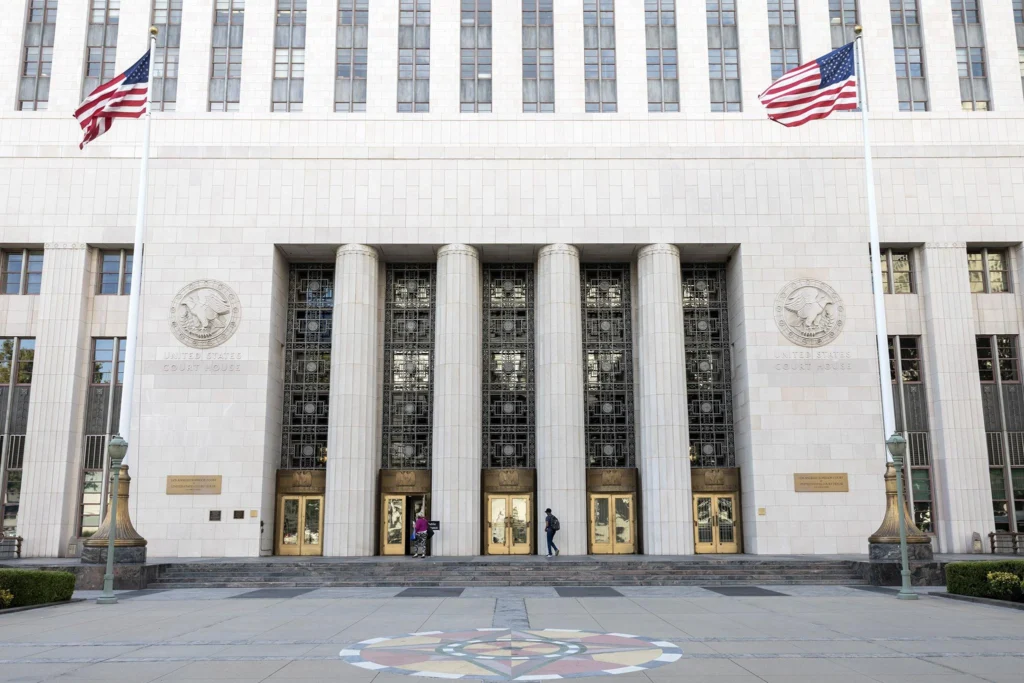
The case was heard in the U.S. District Court for the Northern District of California.
Judge William Orrick declined to issue a temporary restraining order that would have prevented Meta from implementing the layoffs.
The court ruled that:
- The employees had not yet demonstrated sufficient evidence of irreparable harm, which is required for emergency judicial intervention.
- The layoffs could proceed while the broader discrimination lawsuit continues.
- However, the judge recognized that the allegations concerning AI-assisted employment decisions deserve further legal examination.
- The ruling leaves open the possibility of future legal action if stronger evidence is presented during the trial.
Employees’ Allegations

The lawsuit claims that Meta’s internal AI systems evaluated employees using automated performance metrics that failed to account for legitimate medical absences and protected leave.
According to the plaintiffs, the system disproportionately affected:
- Employees with disabilities
- Workers receiving treatment for serious illnesses
- Employees on maternity leave
- Workers taking family medical leave.
- Individuals with legally protected health conditions
The employees argue that such practices violate U.S. employment discrimination laws, including protections provided under disability and medical leave legislation.
Meta’s Response
Meta has strongly denied all allegations.
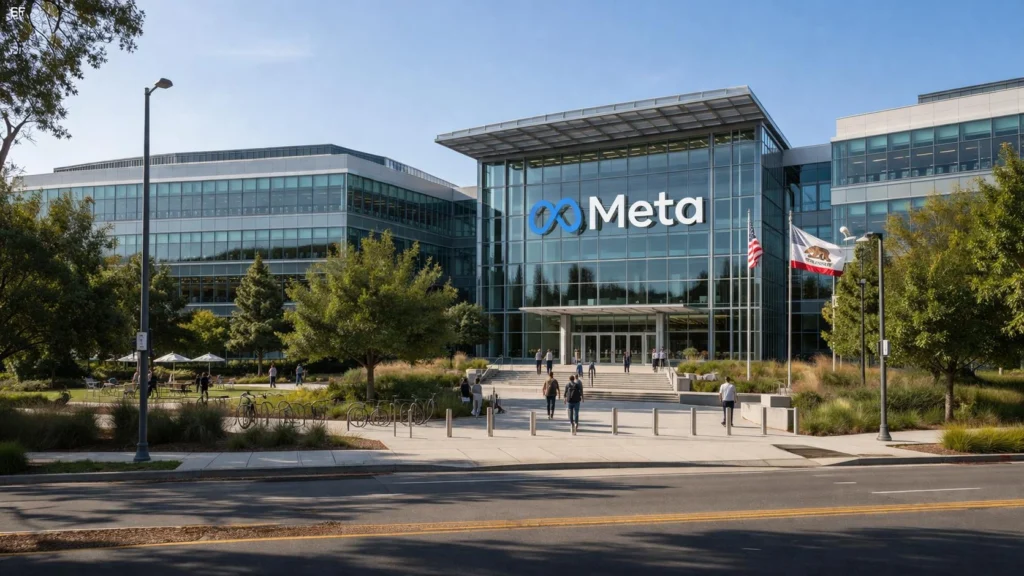
The company maintains that:
- AI tools were used only as decision-support systems.
- Final layoff decisions were made by human managers.
- No employee was selected for termination because of disability, medical condition, or protected leave.
- The restructuring is part of Meta’s broader strategy to improve efficiency and accelerate investment in artificial intelligence technologies.
Why This Case Matters
Legal experts believe this could become one of the world’s most influential lawsuits involving AI-assisted employment decisions.
The outcome could establish legal standards for how companies use AI in:
- Employee performance evaluations
- Promotion decisions
- Workforce planning
- Hiring
- Layoffs
- Productivity monitoring
If the plaintiffs eventually succeed, the judgment could influence employment practices across the global technology industry.
The Growing Role of AI in Human Resources
Artificial intelligence has rapidly become part of modern HR operations.
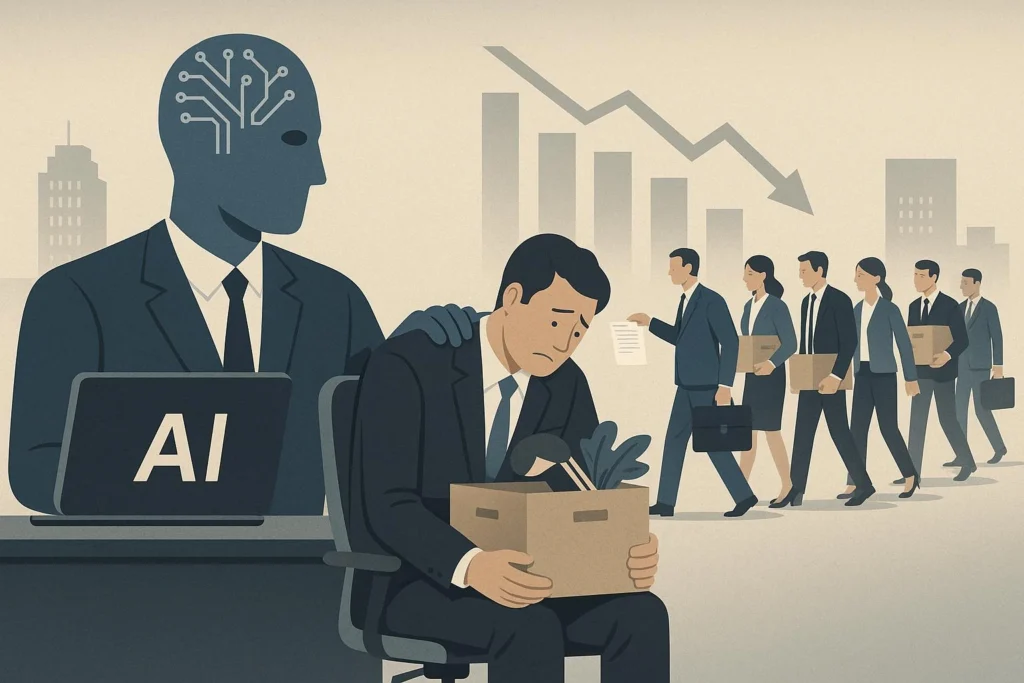
Large corporations increasingly rely on AI to:
- Screen resumes
- Evaluate employee performance
- Monitor productivity
- Predict employee turnover
- Recommend promotions
- Assist workforce restructuring
Supporters argue that AI improves efficiency and reduces human bias.
Critics, however, warn that AI systems may simply automate existing biases if they are trained on incomplete or historically biased datasets.
Concerns About Algorithmic Bias
AI ethics researchers have repeatedly warned that machine learning models can unintentionally discriminate if the underlying data contains historical inequalities.
Potential risks include:
- Penalizing employees who take medical leave
- Disadvantaging workers with disabilities
- Misinterpreting reduced online activity as poor performance
- Producing biased rankings without transparency
Experts argue that these risks become even more serious when AI recommendations directly influence employment decisions.
Global Regulatory Response
Governments worldwide are strengthening oversight of AI systems.
European Union
The EU AI Act introduces strict obligations for “high-risk” AI applications, including employment-related systems.
Companies using AI for hiring or workforce management must meet transparency, documentation, and human oversight requirements.
United States
Several federal agencies and state governments are developing guidance on AI use in employment, while courts increasingly face lawsuits involving automated decision-making.
India
India is also developing its AI governance framework alongside digital data protection reforms. Policymakers have emphasized responsible AI development, although specific regulations governing AI-based HR systems are still evolving.
Tech Industry Layoffs Continue
Meta’s restructuring reflects a broader trend across the technology sector.
Over the past several years, major technology companies have reduced their workforces while simultaneously increasing investment in:
- Artificial intelligence
- Cloud computing
- Data infrastructure
- Automation
- Generative AI
Industry analysts believe companies are shifting resources toward AI-driven products while attempting to reduce operational costs.
Legal Questions Raised by the Case
The lawsuit raises several important legal issues:
- Can AI systems legally influence layoff decisions?
- Who is responsible if an AI model discriminates?
- How transparent must employers be about AI-based evaluations?
- Should employees have the right to challenge AI-generated assessments?
- How should courts evaluate algorithmic bias?
These questions are likely to shape employment law in the AI era.
The Importance of Human Oversight
Experts emphasize that AI should assist—not replace—human judgment.
Responsible AI governance generally includes:
- Independent algorithm audits
- Human review of automated recommendations
- Transparency regarding evaluation criteria
- Bias testing
- Employee appeal mechanisms
- Compliance with anti-discrimination laws
Without these safeguards, organizations may face significant legal and reputational risks.
Current Status of the Lawsuit
Following the court’s ruling:
- Meta may continue implementing the planned layoffs.
- The discrimination lawsuit remains active.
- The employees can continue presenting evidence during litigation.
- Future court proceedings may examine Meta’s AI systems in greater detail.
- The case could eventually establish an important legal precedent for AI-assisted employment practices.
Broader Implications
Beyond Meta, the case is being closely watched by major technology companies, labor organizations, AI researchers, and policymakers.
A future ruling in favor of the employees could significantly influence how companies such as Google, Microsoft, Amazon, Apple, Salesforce, and others design AI-powered HR systems.
It may also encourage governments to introduce stricter regulations governing algorithmic decision-making in the workplace.
Conclusion
The U.S. court’s refusal to immediately block Meta’s layoffs does not end the legal battle—it simply allows the restructuring to proceed while the discrimination claims are litigated. The lawsuit has become a landmark test of how artificial intelligence should be used in employment decisions and whether companies can be held accountable for potential algorithmic bias.
As AI becomes increasingly integrated into human resource management, the Meta case is likely to influence future legal standards on transparency, fairness, accountability, and employee rights. Whatever the final outcome, it is expected to play a significant role in shaping the future relationship between artificial intelligence and the global workforce.
Also Read: – Centre Plans Uniform Rules for WhatsApp, Telegram and Signal After Username Feature Controversy