

New Delhi | Special Report | PaperPatrika
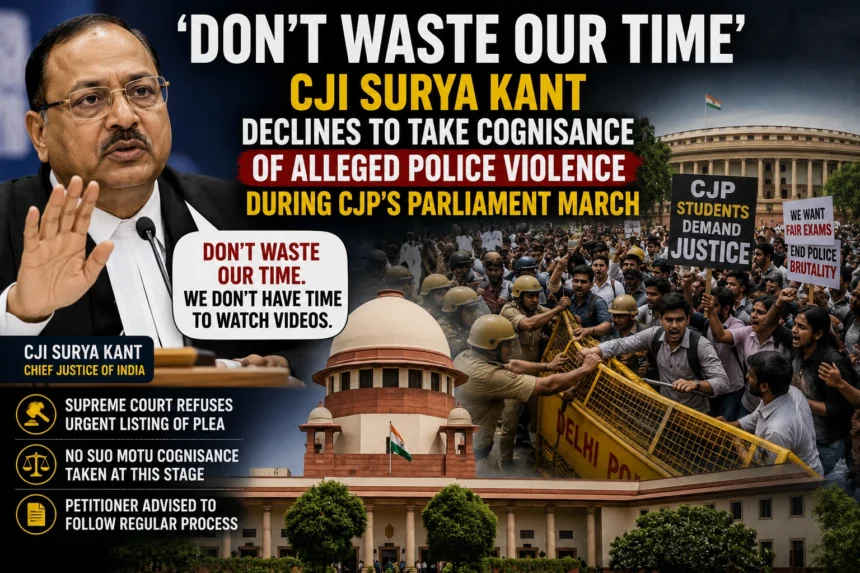
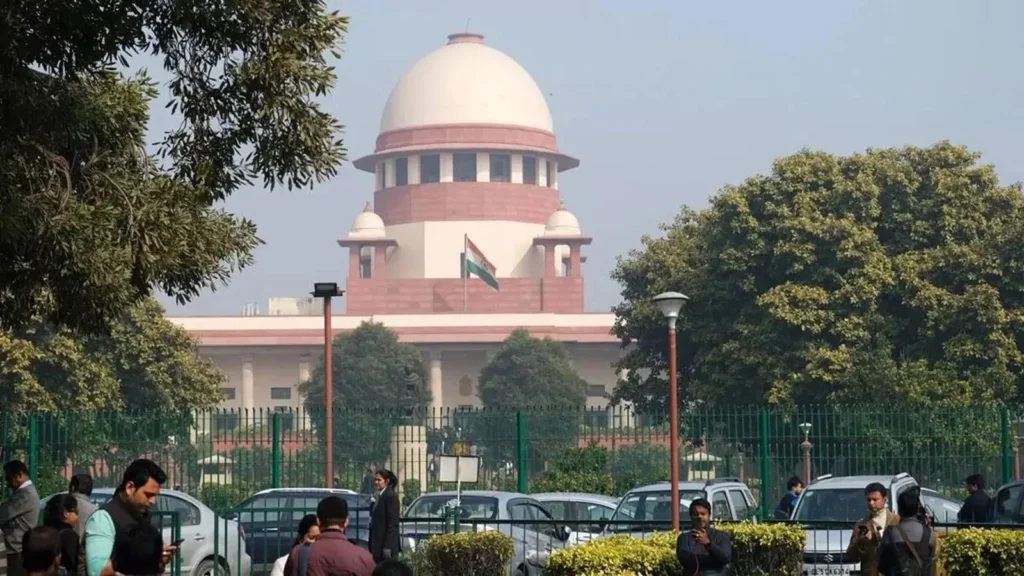
India’s Supreme Court has declined to urgently intervene in allegations of police violence during the Cockroach Janata Party (CJP) students’ Parliament march in New Delhi. Chief Justice of India (CJI) Surya Kant, heading a Bench of the Supreme Court, refused to take suo motu cognisance of the matter or grant an urgent hearing, stating that the Court could not entertain such requests merely based on videos shown during oral mentioning.
The remarks came after a lawyer requested immediate judicial intervention, alleging that Delhi Police had used excessive force against students protesting over the NEET-UG 2026 examination controversy, examination reforms, and the resignation of Union Education Minister Dharmendra Pradhan.
Background of the Protest
For several days, thousands of students under the banner of CJP had been demonstrating at Jantar Mantar in New Delhi. The protesters demanded:
- A fair investigation into alleged irregularities in the NEET-UG 2026 examination.
- Reforms in the National Testing Agency (NTA).
- Greater transparency in recruitment and entrance examinations.
- Resignation of Union Education Minister Dharmendra Pradhan.
As Parliament’s Monsoon Session began, student groups announced a “Parliament March”, intending to submit their demands directly to lawmakers. According to Delhi Police, no permission had been granted for the march toward Parliament, a high-security zone.
Clashes During the Parliament March
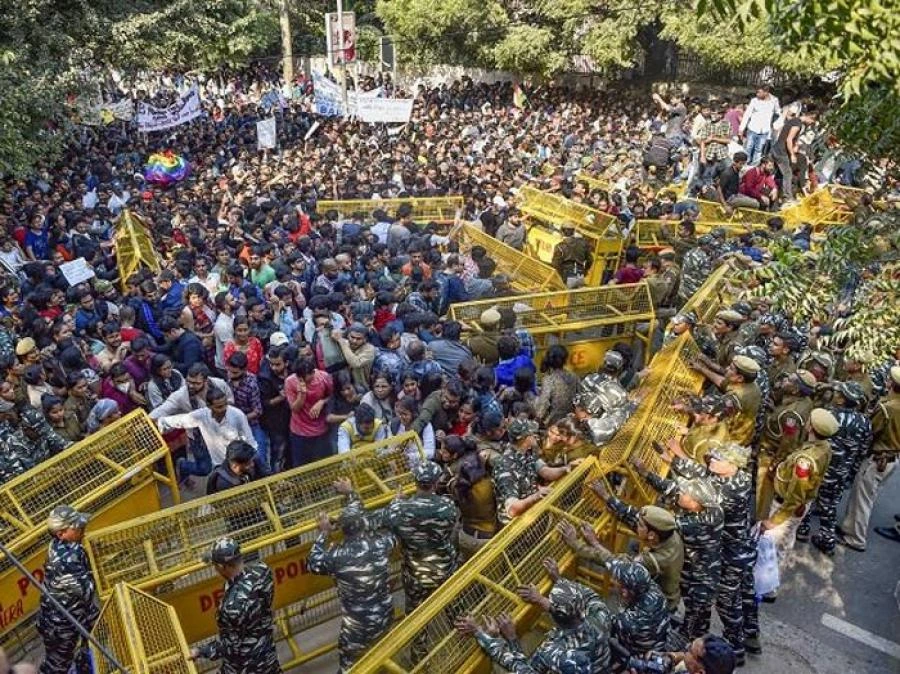
As protesters attempted to march toward Parliament, Delhi Police erected barricades and stopped the crowd from moving ahead.
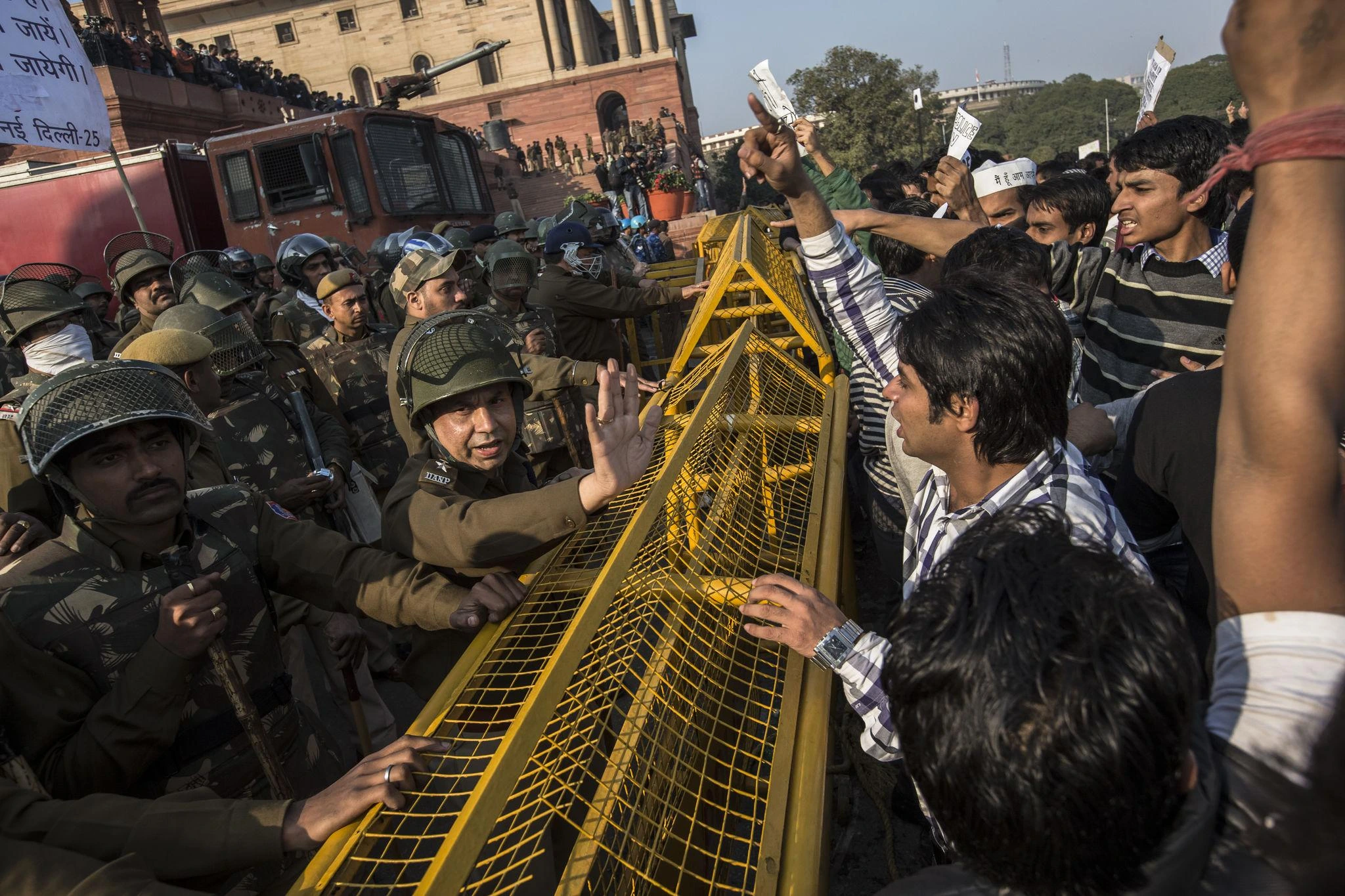
According to police officials:
- Protesters attempted to cross security barricades.
- Police used force to disperse the crowd.
- Several students were detained.
- Some protesters alleged that they suffered injuries during the police action.
Videos circulating on social media appeared to show police pushing and detaining protesters. Student organizations and opposition leaders alleged that the force used by police was excessive and violated the protesters’ democratic rights. Delhi Police, however, maintained that its actions were necessary to protect Parliament and maintain public order.
What Happened in the Supreme Court?
A lawyer mentioned the matter before the Bench led by CJI Surya Kant, requesting an urgent hearing.
The counsel argued that:
- Students had been subjected to police brutality.
- Numerous videos documented the alleged violence.
- The Supreme Court should immediately take suo motu cognisance.
- The issue involved the protection of fundamental rights.
The lawyer even offered to play videos before the Bench to demonstrate the alleged police excesses.
CJI’s Strong Response
The Chief Justice declined to entertain the request during oral mentioning.
When the lawyer insisted that the Court should watch the videos, CJI Surya Kant responded:
“We are not interested in videos. We don’t have time to watch videos.”
As the lawyer continued pressing for an urgent hearing, the Chief Justice remarked:
“Don’t waste our time, and don’t waste your time.”
The Bench refused to list the matter urgently and advised the petitioner to follow the regular legal procedure for filing and listing the case.
Did the Supreme Court Reject the Petition?
No.
It is important to understand that the Supreme Court did not decide the merits of the allegations.
The Court only declined:
- Immediate listing of the petition.
- Urgent hearing.
- Suo motu cognisance at the mentioning stage.
This means the petition may still be considered later through the normal judicial process if it is properly filed and listed before the Court.
Petitioner’s Arguments
The petitioner claimed that:
- Students were exercising their democratic right to protest.
- Police used disproportionate force.
- Several protesters suffered injuries.
- Immediate judicial intervention was necessary to protect fundamental rights guaranteed under the Constitution.
The petition also requested an independent inquiry into the alleged police action during the Parliament march.
Delhi Police’s Stand
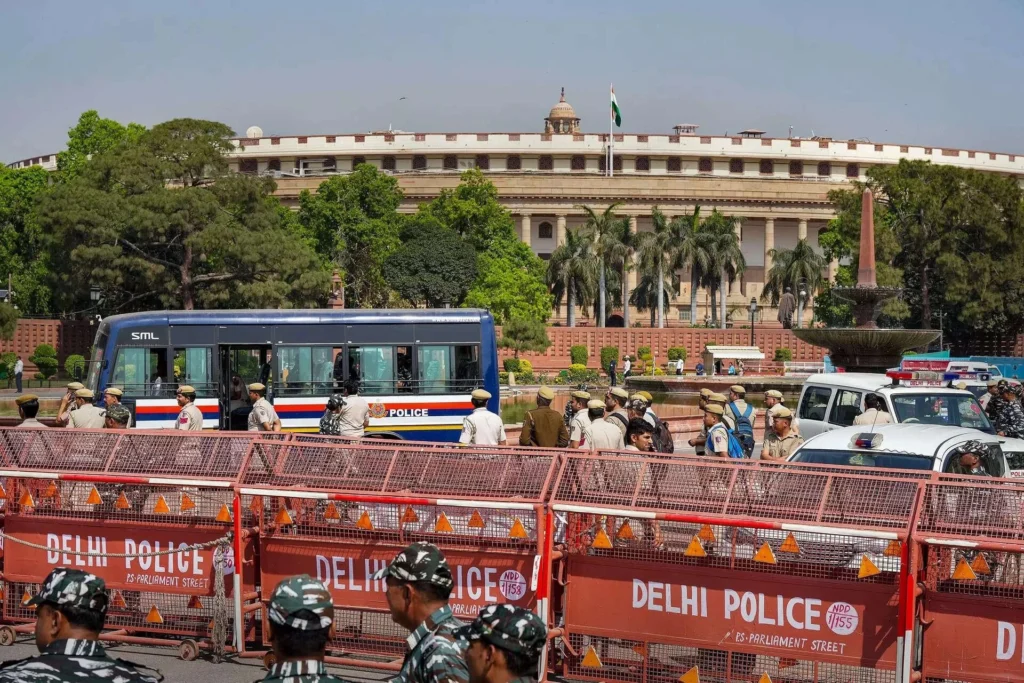
Delhi Police defended its actions by stating that:
- No permission had been granted for the Parliament march.
- Parliament is a highly protected security zone.
- Protesters attempted to breach police barricades.
- Force was used only to maintain law and order.
Officials maintained that the police acted in accordance with established security protocols and legal responsibilities.
Political Reactions
The incident triggered strong political reactions across the country.
Opposition parties criticized the police action, alleging that:
- Peaceful student protesters were targeted.
- Democratic rights were being curtailed.
- Excessive force was used against young demonstrators.
The government, however, maintained that while peaceful protests are permitted, security around Parliament cannot be compromised. It reiterated that any attempt to violate security restrictions would invite police action.
Legal and Constitutional Questions
The controversy has once again highlighted several important constitutional issues:
- The right to peaceful protest under Article 19.
- The state’s responsibility to maintain public order.
- Judicial standards for taking suo motu cognisance.
- Limits on police use of force during public demonstrations.
- The balance between civil liberties and national security.
Legal experts believe that these issues could become central if the matter proceeds through the normal judicial process.
What Happens Next?
The case is not closed.
Possible future developments include:
- Filing of a regular writ petition.
- Listing before the appropriate Bench.
- Responses from Delhi Police and the Union Government.
- Judicial examination of evidence submitted by the petitioners.
- Possible directions regarding police conduct during public protests.
Whether the Supreme Court eventually hears the matter will depend on the normal listing process and the legal merits presented before the Court.
Conclusion
The Supreme Court’s refusal to grant an urgent hearing should not be interpreted as a decision on whether police violence occurred. The Bench only declined to take immediate cognisance during oral mentioning and directed that the matter follow the ordinary legal process.
Meanwhile, the controversy surrounding the CJP Parliament march, allegations of police excesses, and demands for examination reforms continues to generate significant political, legal, and public debate across the country.
Also Read: – Union Education Minister Pradhan Accuses Rahul Gandhi, Congress of Exploiting Students; CJP Protest at Jantar Mantar Draws Opposition Leaders