



New Delhi | Environment Desk | PaperPatrika
Every year on July 29, the world observes World Tiger Day, an international occasion dedicated to raising awareness about tiger conservation and protecting one of the planet’s most iconic yet endangered species. In 2026, the observance comes at a crucial time as conservationists continue to address challenges such as habitat loss, climate change, illegal wildlife trade, and increasing human-wildlife conflict. While significant progress has been made in several tiger-range countries, experts emphasize that long-term conservation efforts remain essential to securing the future of wild tigers.
This year’s observance has also drawn attention to the creative work of Indian wildlife cartoonist Rohan Chakravarty, whose internationally acclaimed comic series Green Humour has become an innovative platform for promoting environmental awareness. Through humor, satire, and engaging illustrations, Chakravarty communicates complex conservation issues in a way that appeals to audiences of all ages.
The Origin of World Tiger Day
World Tiger Day was established in 2010 during the Saint Petersburg Tiger Summit held in Russia. At that time, the world’s thirteen tiger-range countries pledged to work together to halt the alarming decline in wild tiger populations.
The summit introduced the ambitious TX2 Goal, which aimed to double the global wild tiger population by improving conservation measures, protecting habitats, and strengthening international cooperation against wildlife crime.
Since then, July 29 has become an annual reminder that tiger conservation is essential not only for wildlife but also for maintaining healthy forest ecosystems.
India’s Leadership in Tiger Conservation
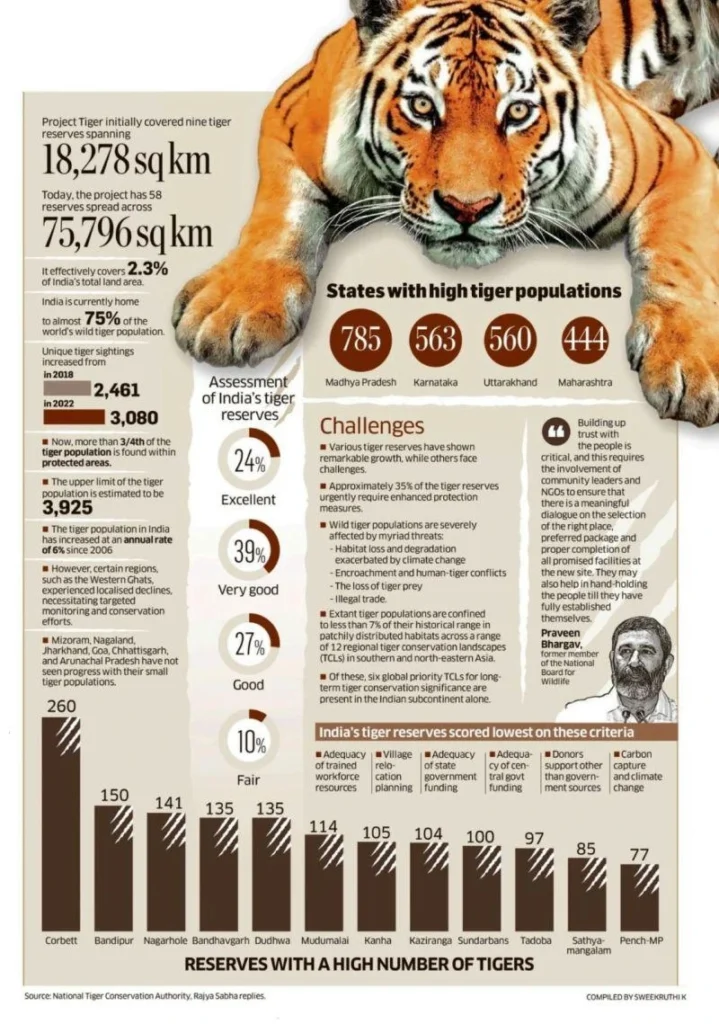
India today is home to the largest population of wild tigers in the world, making it one of the most important countries for global tiger conservation.
Government initiatives such as Project Tiger, expanded protected areas, scientific monitoring through camera traps, anti-poaching operations, and community participation have significantly contributed to the recovery of tiger populations over recent decades.
However, conservationists warn that habitat fragmentation, expanding infrastructure, climate-related impacts, and human encroachment continue to pose long-term risks to tiger habitats.
What Is Green Humour?
Green Humour is an environmental comic series created by Indian wildlife cartoonist Rohan Chakravarty.
Unlike traditional environmental campaigns that rely heavily on scientific reports, Green Humour uses cartoons, satire, and storytelling to explain biodiversity, climate change, wildlife conservation, pollution, and ecological issues in a simple and entertaining format.
The comic series gained international recognition after becoming one of India’s first wildlife comic strips to be syndicated by GoComics in 2013. Today, Green Humour is widely followed by conservationists, educators, students, and nature enthusiasts across the world.
Who Is Rohan Chakravarty?
Rohan Chakravarty is an Indian cartoonist, illustrator, and wildlife communicator based in Nagpur.
Originally trained as a dentist, he eventually chose to pursue a career dedicated to wildlife communication through art.
His work has been recognized by organizations such as WWF, UNDP, Sanctuary Nature Foundation, and numerous conservation institutions for making environmental education more accessible and engaging.
His cartoons are now regularly used in educational campaigns, biodiversity awareness programs, and environmental publications.
Using Humor to Deliver Serious Conservation Messages
One of the defining features of Green Humour is its ability to transform complex environmental issues into memorable visual stories.
Through talking tigers, birds, elephants, and other wildlife characters, Chakravarty highlights pressing issues such as:
- Deforestation
- Climate change
- Plastic pollution
- Illegal wildlife trade
- Habitat destruction
- Human-wildlife conflict
By combining scientific accuracy with humor, the comics encourage readers to think critically while remaining entertaining and accessible.
Special Message for World Tiger Day
Over the years, Rohan Chakravarty has published several World Tiger Day illustrations under the Green Humour banner.
One of his best-known works, “Tiger To-Do List,” humorously imagines the daily challenges faced by tigers, while simultaneously reminding readers that conserving forests is just as important as protecting the animals themselves.
His artwork emphasizes that tiger conservation is ultimately about preserving entire ecosystems rather than focusing on a single species.
Why Tigers Matter
Tigers are considered apex predators, occupying the highest level of the food chain.
Their presence helps maintain ecological balance by regulating herbivore populations, which in turn protects vegetation and supports healthy forests.
A stable tiger population is often regarded as an indicator of a healthy ecosystem because protecting tiger habitats also safeguards thousands of other plant and animal species.
Conserving tigers therefore contributes to biodiversity, water security, carbon storage, and overall environmental sustainability.
Major Threats Facing Tigers
Despite encouraging conservation successes, wild tigers continue to face several significant threats:
- Illegal poaching
- Habitat loss
- Forest fragmentation
- Climate change
- Human-wildlife conflict
- Illegal wildlife trafficking
Experts stress that effective conservation requires landscape-level planning, stronger law enforcement, and greater involvement of local communities living near protected forests.
India’s Conservation Strategy
India’s tiger conservation model has become an international example of integrated wildlife management.
Key initiatives include:
- Project Tiger
- Expansion of tiger reserves
- Scientific population monitoring
- Camera trap technology
- Eco-development programs
- Community participation
- Strengthened anti-poaching patrols
These efforts have helped improve tiger populations while simultaneously protecting large forest ecosystems across the country.
The Role of Comics in Environmental Education
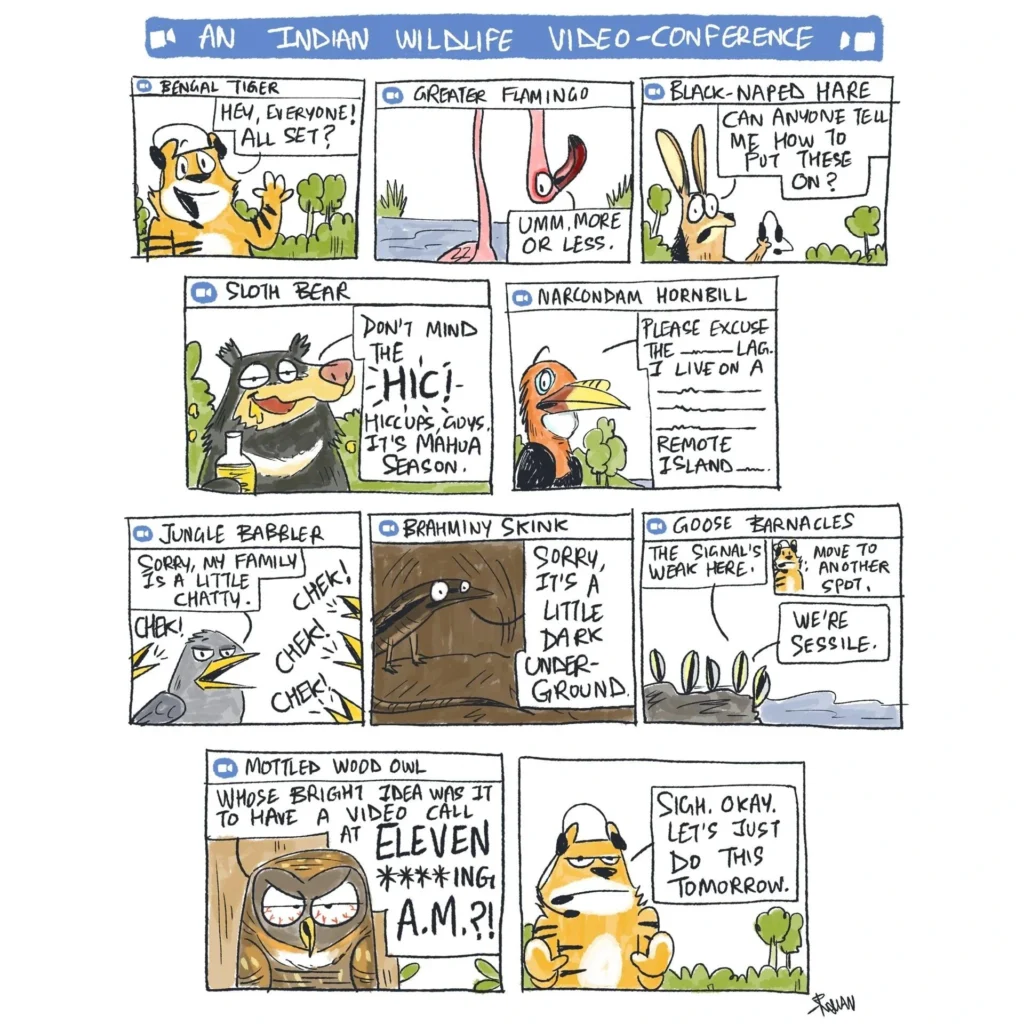
Environmental experts increasingly recognize comics as powerful educational tools.
Green Humour demonstrates how visual storytelling can simplify scientific concepts without compromising accuracy.
Schools, universities, conservation organizations, and public awareness campaigns now use illustrations and comics to communicate biodiversity and environmental issues more effectively, especially among young audiences.
How Citizens Can Contribute
Experts believe everyone can play a role in tiger conservation by:
- Supporting wildlife conservation organizations.
- Promoting responsible tourism.
- Protecting forests and natural habitats.
- Raising awareness through social media.
- Reporting illegal wildlife trade.
- Encouraging environmental education among children and communities.
Even small actions can collectively contribute to long-term conservation success.
Looking Ahead
World Tiger Day is more than an annual observance—it is a reminder that protecting tigers means protecting forests, biodiversity, freshwater resources, and ultimately the future of humanity itself.
Artists like Rohan Chakravarty demonstrate that conservation communication does not always require technical reports or scientific jargon. Humor, creativity, and visual storytelling can inspire public engagement and motivate meaningful action for wildlife protection.
Conclusion
World Tiger Day on July 29 serves as a global call to protect one of nature’s most magnificent predators and the ecosystems they represent. India’s conservation achievements provide hope, but sustaining these gains will require continued commitment from governments, scientists, local communities, conservation organizations, and citizens alike.
Through Green Humour, Rohan Chakravarty has shown that cartoons can become powerful instruments for conservation awareness. His work reminds us that safeguarding tigers is not simply about saving a species—it is about preserving forests, biodiversity, and the ecological balance upon which human life also depends. As the world marks another World Tiger Day, the message remains clear: Protect the forest, and the tiger will survive; protect the tiger, and the forest will thrive.
Also Read:- 60 Years After Disappearing from Gir, Indian Grey Hornbills Breed for Fourth Consecutive Year in Major Conservation Success