

Washington, D.C. | Technology & Defense | PaperPatrika
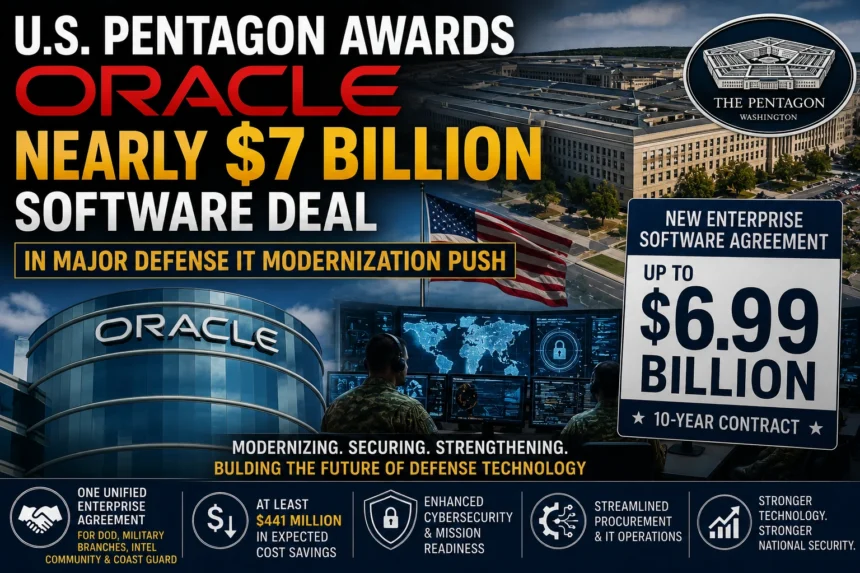
The U.S. Department of Defense (Pentagon) has awarded Oracle a landmark enterprise software contract worth up to US$6.99 billion over a potential ten-year period, marking one of the largest software procurement agreements in the department’s history. The agreement is part of a broader strategy to modernize defense technology infrastructure, reduce fragmented software purchasing, strengthen cybersecurity, and generate substantial savings for U.S. taxpayers.
The announcement comes as the Pentagon accelerates efforts to replace thousands of separate software licensing agreements with centralized enterprise-wide contracts. Officials say the initiative will improve efficiency, simplify procurement, and ensure that military personnel have faster access to mission-critical digital tools.
One Unified Contract for the Entire Defense Department
The new Enterprise Software Agreement (ESA) consolidates Oracle’s on-premises software licenses under a single procurement framework.
The contract covers:
- The U.S. Department of Defense
- Military branches
- The U.S. Coast Guard
- The U.S. Intelligence Community
Rather than each agency negotiating separate Oracle contracts, all participating organizations will obtain software through one centralized agreement. The Pentagon believes this approach will reduce duplication, improve transparency, and streamline technology management across the defense enterprise. (Reuters)
Contract Structure
The agreement includes:
- Base period: Five years
- Extension option: Additional five years
- Maximum value: US$6.99 billion
- Initial contract value: Approximately US$3.31 billion during the first five years
If all option periods are exercised, the total value could approach US$7 billion, making it one of Oracle’s largest government software contracts. (PR Newswire)
Pentagon Expects Major Cost Savings
One of the Pentagon’s primary objectives is reducing unnecessary spending caused by fragmented purchasing practices.

According to Pentagon Chief Information Officer Kirsten Davies, the agreement is expected to save at least US$441 million over its lifecycle by eliminating duplicate software licenses, simplifying procurement, and improving enterprise-wide management.
Officials emphasized that the initiative is designed to ensure taxpayer funds are used more efficiently while accelerating delivery of essential technology to military personnel. (Reuters)
Why the Pentagon Is Changing Its Software Strategy
For years, different military branches purchased Oracle software independently.
This decentralized approach often resulted in:
- Duplicate licenses
- Higher procurement costs
- Inconsistent software versions
- Complex contract management
- Reduced visibility into technology spending
The new enterprise model replaces multiple individual agreements with a unified contract, enabling centralized oversight and standardized software deployment across the defense ecosystem. (Reuters)
Part of a Broader Digital Transformation
The Oracle agreement is not an isolated initiative.
Earlier this year, the Pentagon signed a US$9.69 billion enterprise software agreement with Microsoft, similarly consolidating software licenses across defense agencies.
Together, the Microsoft and Oracle contracts reflect a long-term modernization strategy aimed at replacing fragmented IT procurement with large-scale enterprise agreements that improve interoperability and reduce costs. (Reuters)
Benefits for Military Operations
Officials say centralized software procurement offers operational advantages beyond cost savings.
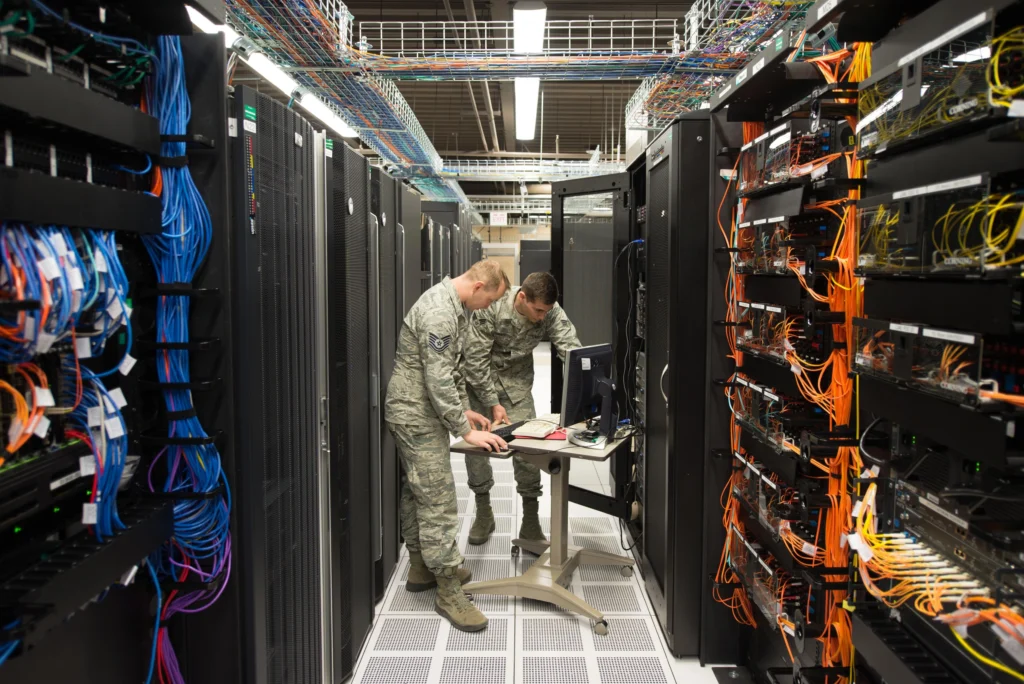
Expected benefits include:
- Faster software deployment
- Improved cybersecurity management
- Standardized software versions
- Easier license administration
- Better compliance monitoring
- Increased interoperability among defense systems
- Faster acquisition of mission-critical technologies
These improvements are intended to strengthen the military’s digital infrastructure while reducing administrative burdens. (Federal News Network)
Oracle’s Expanding Role in U.S. Defense
Oracle has steadily increased its presence within U.S. government technology programs.
In addition to enterprise software, the company has secured contracts involving:
- Cloud infrastructure
- Artificial intelligence capabilities
- Database technologies
- Enterprise resource planning systems
- Classified computing environments
Earlier in 2026, Oracle also announced an agreement to deploy AI capabilities on classified defense networks, highlighting its expanding role in national security technology. (Oracle)
Centralized Procurement Explained
Under the previous system, separate defense organizations often negotiated independent Oracle contracts.
The new agreement allows authorized agencies to purchase Oracle software through a common procurement framework.
Officials believe this approach will:
- Reduce negotiation time
- Improve purchasing consistency
- Increase purchasing power
- Simplify budgeting
- Enhance oversight of technology investments.
Enterprise procurement has become increasingly common across both government and large private-sector organizations seeking to optimize software spending. (PR Newswire)
Cybersecurity Advantages
Cybersecurity is another major reason behind the consolidation effort.
Using standardized software across defense organizations enables:
- Faster security updates
- Improved vulnerability management
- Consistent patch deployment
- Better compliance monitoring
- Stronger enterprise security policies
Defense officials argue that centralized software management reduces risks created by outdated or inconsistently maintained systems. (Breaking Defense)
Industry Significance
For Oracle, the agreement represents a significant commercial and strategic milestone.
Government contracts provide:
- Long-term revenue stability
- Expanded public-sector presence
- Opportunities for additional cloud services
- Stronger relationships with defense customers
The contract also reinforces Oracle’s position as one of the leading enterprise software providers competing alongside Microsoft, Amazon Web Services, Google Cloud, and other major technology firms serving government agencies. (Yahoo Finance)
Market Reaction
Following the announcement, Oracle shares initially rose in after-hours trading as investors welcomed the sizable defense contract.
However, broader market concerns about technology-sector capital spending and competition in cloud infrastructure later influenced overall stock performance. Analysts noted that while the Pentagon agreement strengthens Oracle’s government business, investor sentiment continues to be affected by wider trends in enterprise technology spending. (The Wall Street Journal)
Modernizing Government IT
The Pentagon’s latest agreement reflects a broader shift toward adopting private-sector best practices in government technology procurement.
Rather than maintaining thousands of isolated contracts, agencies are increasingly moving toward enterprise-wide purchasing models that:
- Lower administrative costs
- Improve vendor management
- Standardize technology platforms
- Increase operational efficiency
Officials say similar agreements could become more common as federal agencies continue modernizing their information technology infrastructure. (Federal News Network)
Implications for Defense Readiness
Reliable software has become essential for virtually every aspect of modern military operations, including logistics, personnel management, intelligence analysis, cybersecurity, communications, and operational planning.
By simplifying access to enterprise software, the Pentagon expects military personnel and civilian employees to spend less time navigating procurement processes and more time focusing on mission requirements. Officials argue that modern, standardized digital systems are increasingly critical to maintaining operational readiness in an era of rapidly evolving cyber threats and technology-driven warfare. (Federal News Network)
Looking Ahead
The Oracle agreement signals that the Pentagon intends to continue consolidating software procurement across the defense establishment. As additional enterprise contracts are negotiated, defense officials expect greater efficiencies, stronger cybersecurity protections, and more consistent access to modern digital tools.
The success of this initiative may also influence procurement strategies across other federal departments seeking to reduce costs while accelerating digital transformation.
Conclusion
The Pentagon’s nearly US$7 billion Enterprise Software Agreement with Oracle marks a major step in the U.S. government’s ongoing effort to modernize defense technology infrastructure. By replacing fragmented purchasing with a unified enterprise contract, officials aim to save at least US$441 million, strengthen cybersecurity, and improve access to mission-critical software across the military, intelligence community, and Coast Guard.
Beyond its financial significance, the agreement reflects a broader transformation in how the U.S. government manages technology procurement—favoring centralized, scalable, and more efficient digital systems to support national security in an increasingly technology-driven world.