
Tehran/Muscat | World News | PaperPatrika
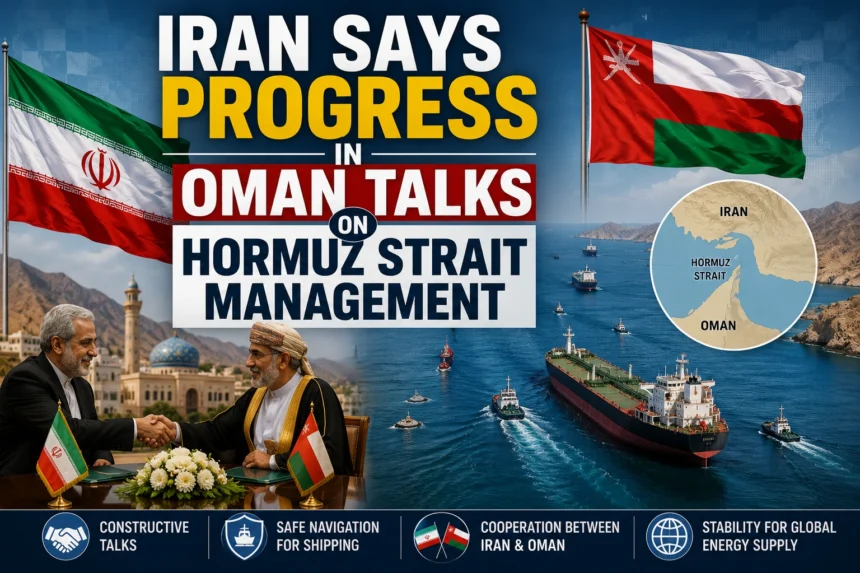
Iran has announced that it has made “constructive progress” in talks with Oman regarding the future management of the Strait of Hormuz, one of the world’s most strategically important maritime corridors. The discussions focused on ensuring the safe movement of commercial vessels while balancing the sovereign rights of both coastal nations. Iranian officials described the negotiations as productive and confirmed that technical and political consultations will continue in the coming weeks.
The development comes at a critical time when the Gulf region remains under intense geopolitical pressure following recent military tensions involving Iran, the United States, and regional allies. Although no final agreement has yet been announced, both Tehran and Muscat have signaled that the latest negotiations represent an important step toward maintaining stability in one of the world’s busiest energy transit routes. (Geo News)
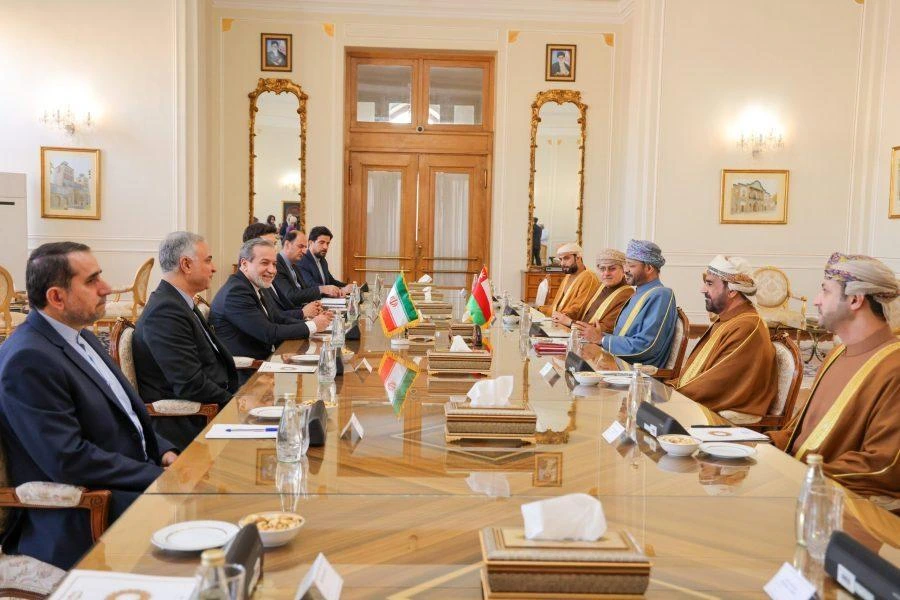
Diplomatic Talks Held in Tehran
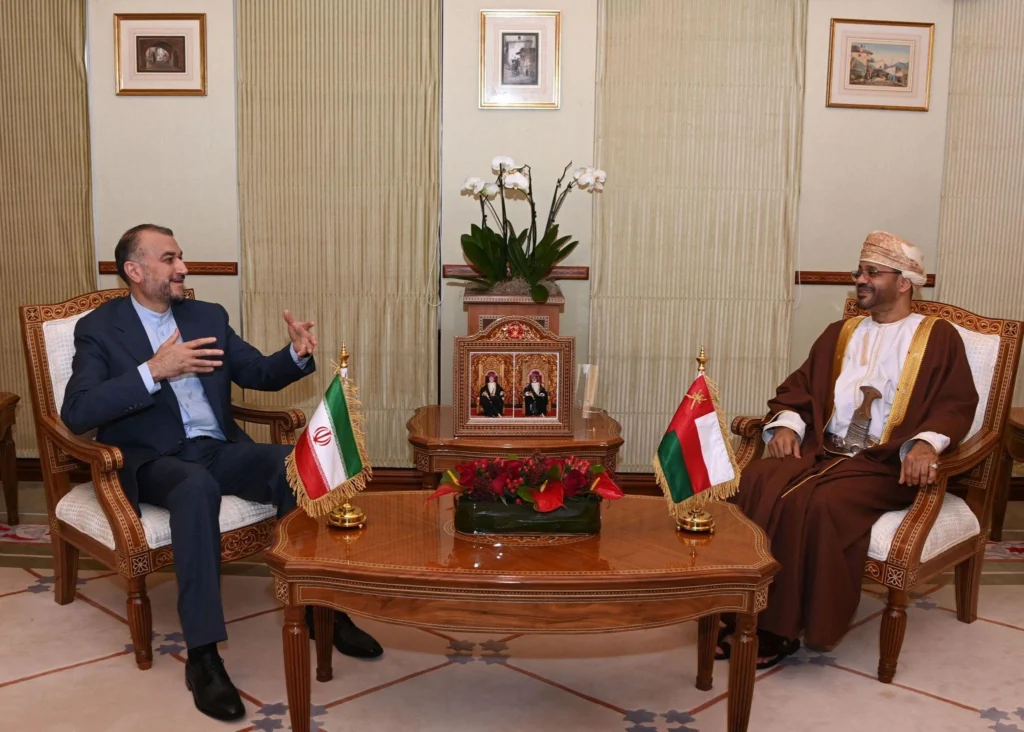
According to Iranian Foreign Ministry spokesperson Esmaeil Baqaei, several rounds of meetings took place in Tehran between Iranian and Omani deputy foreign ministers over two days.
The discussions concentrated on:
- Safe navigation through the Strait of Hormuz.
- Operational mechanisms for managing maritime traffic.
- Protection of commercial shipping.
- Respect for the sovereign rights of Iran and Oman.
- Future technical coordination between both countries.
Baqaei stated that the talks were “useful and constructive”, adding that measurable progress had been achieved. He also confirmed that the Omani delegation had returned to Muscat after completing the latest round of negotiations, while technical-level discussions would continue. (ایران اینترنشنال | Iran International)
Why the Strait of Hormuz Matters
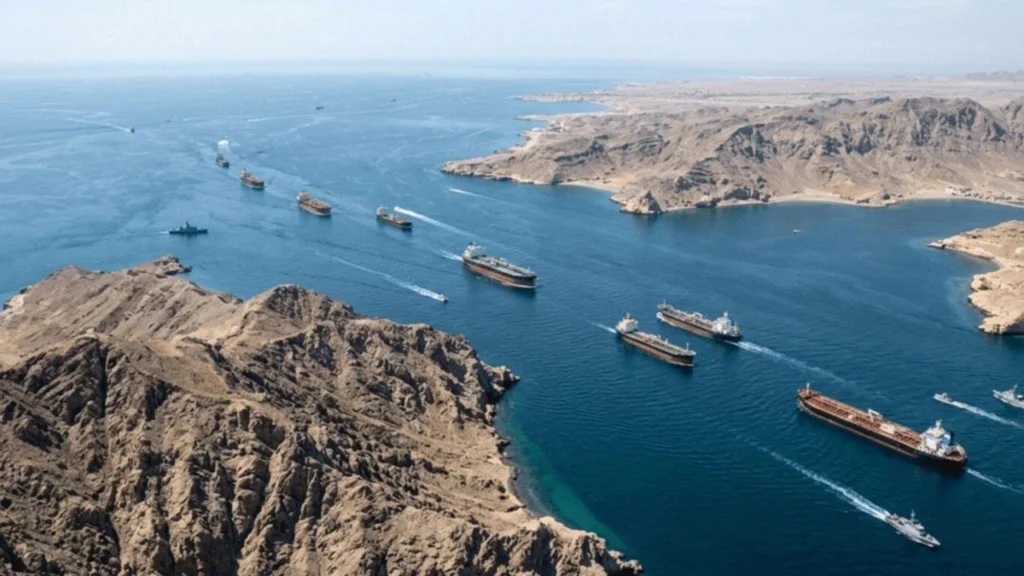
The Strait of Hormuz is one of the world’s most critical maritime chokepoints.
Located between Iran and Oman, the narrow waterway connects the Persian Gulf with the Gulf of Oman and the Arabian Sea.
Approximately one-fifth of global oil exports and a significant share of liquefied natural gas (LNG) shipments pass through the strait every day. Any disruption to shipping in this corridor can quickly affect global energy markets, shipping insurance costs, and fuel prices worldwide.
Because of its strategic importance, developments concerning the Strait of Hormuz are closely watched by governments, shipping companies, and international energy markets.
Background: Rising Regional Tensions
The latest diplomatic engagement follows months of heightened tensions in the Gulf.
Recent military confrontations involving Iran and the United States led to attacks on commercial shipping, naval deployments, and concerns over freedom of navigation through the Strait of Hormuz.
Although an earlier ceasefire framework helped reduce violence, renewed hostilities in recent weeks once again increased uncertainty over maritime security. Oman has continued to play a mediating role between the parties in an effort to prevent further escalation. (AP News)
Focus on Shipping Safety
Iranian officials emphasized that the latest discussions were centered on creating practical arrangements to guarantee the safe passage of commercial vessels.
The proposed mechanisms reportedly include:
- Better coordination of maritime traffic.
- Improved communication between Iranian and Omani authorities.
- Technical cooperation on navigation.
- Safety protocols for commercial shipping.
- Protection of international trade routes.
Iran also stressed that these arrangements should respect the sovereign rights of both countries bordering the strait.
No Change in Current Shipping
Despite the ongoing negotiations, Tehran clarified that commercial shipping through the Strait of Hormuz continues without any formal changes.
Foreign Ministry officials stated that vessel traffic remains operational while negotiations continue.
This assurance is important for international shipping companies, many of which have expressed concerns over possible disruptions following recent military developments.
Officials indicated that any future administrative arrangements would be implemented only after consultations are completed. (ایران اینترنشنال | Iran International)
Oman’s Role as Mediator
Oman has long maintained balanced diplomatic relations with Iran, Gulf Arab states, and Western countries.
Because of this neutral position, Muscat has frequently acted as an intermediary during regional crises.
In recent months, Oman has facilitated discussions on:
- Maritime security.
- Regional de-escalation.
- Humanitarian coordination.
- Commercial shipping.
- Broader diplomatic engagement between Iran and international stakeholders.
Analysts believe Oman’s continued involvement has helped keep communication channels open during periods of heightened military tension. (Financial Times)
International Significance
The outcome of these negotiations extends well beyond the Gulf region.
Countries across Asia, Europe, and North America depend on uninterrupted energy supplies transported through the Strait of Hormuz.
A stable arrangement could:
- Reduce risks to commercial shipping.
- Improve confidence in international energy markets.
- Lower shipping insurance costs.
- Support global oil and LNG trade.
- Encourage further diplomatic engagement.
Conversely, any disruption to the waterway could have immediate consequences for global fuel prices and supply chains.
Challenges Ahead
Although both sides have reported progress, several issues remain unresolved.
These include:
- Long-term management arrangements.
- Navigation protocols.
- Security responsibilities.
- Regional political tensions.
- Coordination with other Gulf states.
- Acceptance of future operational mechanisms by international stakeholders.
Experts caution that reaching a comprehensive agreement may require additional rounds of negotiations and broader regional consultations.
Global Market Reaction
Energy markets have been closely monitoring developments in the Gulf.
In recent weeks, uncertainty surrounding the Strait of Hormuz contributed to volatility in international crude oil prices.
Investors generally welcomed signs of diplomatic engagement, viewing negotiations as a positive step toward reducing geopolitical risk.
However, analysts note that markets remain sensitive to any renewed military escalation or disruption to maritime traffic. (Financial Times)
Diplomatic Outlook
The latest announcement suggests that both Tehran and Muscat remain committed to resolving maritime issues through dialogue rather than confrontation.
Iran has indicated that technical consultations will continue, while Oman is expected to maintain its role in facilitating discussions aimed at preserving regional stability.
Observers believe that successful implementation of practical navigation arrangements could contribute to broader confidence-building measures in the Gulf.
Strategic Importance for India
India is among the countries with significant interests in the Strait of Hormuz.
A large portion of India’s crude oil imports and energy supplies transit through this maritime corridor.
Any sustained stability in the region would help ensure:
- Reliable energy imports.
- Lower transportation risks.
- Stable shipping routes.
- Improved trade security.
- Greater predictability for Indian refiners and exporters.
For New Delhi, continued diplomatic engagement between Iran and Oman is therefore an important regional development.
Conclusion
Iran’s announcement that progress has been made in talks with Oman on managing the Strait of Hormuz represents a potentially significant diplomatic development at a time of heightened regional tensions. While no final agreement has yet been reached, both countries have emphasized cooperation on shipping safety, navigation mechanisms, and respect for sovereign rights. Technical and political consultations are expected to continue as negotiators work toward a more durable framework for one of the world’s most strategically important maritime routes. (ایران اینترنشنال | Iran International)
As global energy markets, shipping companies, and governments continue to watch developments closely, the success of these negotiations could play an important role in reducing tensions, protecting international trade, and maintaining stability in the Gulf region.
Also Read: – West Asia War: U.S. Strikes Iran for 10th Consecutive Night as Tehran Targets Tanker in the Strait of Hormuz