
Why Drug-Free Youth Are Essential for Viksit Bharat…
By PaperPatrika | National | August 2026
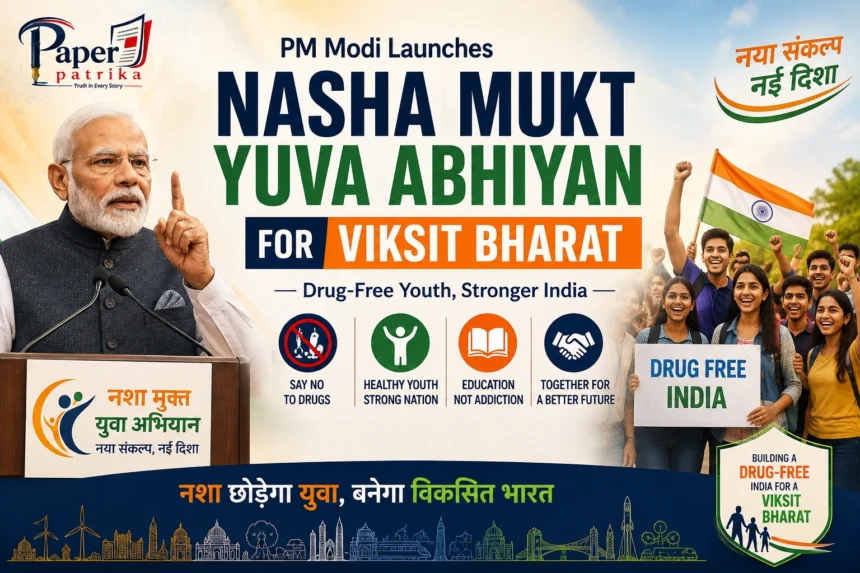
Prime Minister Narendra Modi has launched the ‘Nasha Mukt Yuva Abhiyan’ (Drug-Free Youth Campaign), calling upon young Indians to become active partners in building a drug-free society. Addressing students, youth organizations, educators, and volunteers during the launch, the Prime Minister said that the dream of a “Viksit Bharat” (Developed India) cannot be achieved unless the country’s youth remain healthy, productive, and free from the menace of drug abuse.
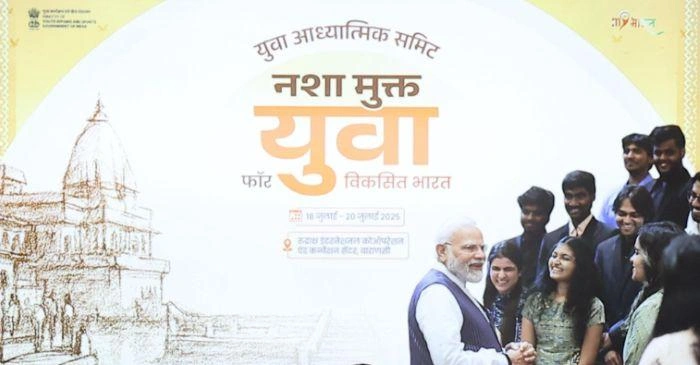
The nationwide campaign seeks to strengthen awareness, prevention, rehabilitation, and community participation in tackling substance abuse among young people. The initiative aligns with the Government of India’s broader strategy of combining public awareness, education, healthcare support, and stronger law enforcement to combat narcotics and protect future generations.
Drug-Free Youth at the Heart of Viksit Bharat
During his address, Prime Minister Modi stressed that India’s demographic strength is one of its greatest assets. With one of the world’s largest youth populations, the country’s future depends on ensuring that young people remain physically healthy, mentally resilient, and capable of contributing to national development.
He stated that substance abuse not only harms individuals but also weakens families, communities, educational institutions, and the economy. According to the Prime Minister, preventing drug addiction should become a collective national responsibility involving parents, teachers, civil society organizations, healthcare professionals, and local communities.
The campaign encourages every citizen to actively participate in spreading awareness about the dangers of narcotic drugs and psychotropic substances.
Objectives of the Nasha Mukt Yuva Abhiyan
The newly launched initiative focuses on creating long-term behavioural change rather than only enforcing legal measures.
Its major objectives include:
- Raising awareness about the health risks associated with drug abuse.
- Encouraging youth to adopt healthy lifestyles through sports, education, and skill development.
- Promoting counselling and rehabilitation for individuals struggling with addiction.
- Strengthening community participation in identifying and preventing substance abuse.
- Supporting educational institutions in conducting awareness programmes.
- Enhancing coordination among government departments, law enforcement agencies, and healthcare providers.
Officials believe that prevention through education remains one of the most effective tools in reducing substance abuse among adolescents and young adults.
Why Drug Abuse Remains a Major Challenge
Drug addiction continues to pose serious public health and social challenges across many countries, including India.
Experts note that substance abuse can lead to:
- Physical and mental health disorders.
- Poor academic performance.
- Family conflicts.
- Increased crime and violence.
- Financial hardship.
- Reduced workforce productivity.
Young people are particularly vulnerable because of peer pressure, curiosity, psychological stress, unemployment, and easy access to illegal narcotics in some regions.
Healthcare professionals emphasize that addiction is a medical condition requiring timely counselling, treatment, and rehabilitation rather than social stigma.
Government’s Multi-Pronged Strategy
The Nasha Mukt Yuva Abhiyan complements several existing government initiatives aimed at reducing drug demand and strengthening narcotics control.
The strategy includes:
Public Awareness
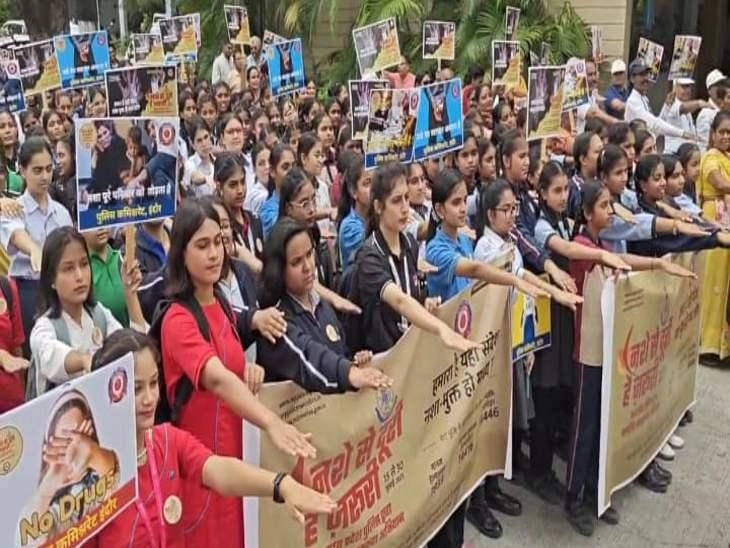
Educational campaigns through schools, colleges, universities, social media, and community organizations.
Law Enforcement
Strengthening action against illegal drug trafficking networks through coordination among central and state agencies.
Rehabilitation Services
Expanding access to de-addiction centres, counselling services, and mental health support.
Community Participation
Encouraging local bodies, NGOs, volunteers, and youth organizations to conduct awareness drives and support vulnerable communities.
This integrated approach aims to balance preventive education with stronger enforcement against organized drug trafficking.
Role of Educational Institutions
Schools, colleges, and universities are expected to play a central role in the campaign.
Educational institutions are being encouraged to:
- Organize anti-drug awareness programmes.
- Conduct seminars and workshops.
- Provide psychological counselling.
- Encourage sports and cultural activities.
- Promote peer-support networks.
- Identify students requiring early intervention.
Experts believe that early awareness during adolescence significantly reduces the likelihood of substance abuse later in life.
Youth Participation as a National Movement
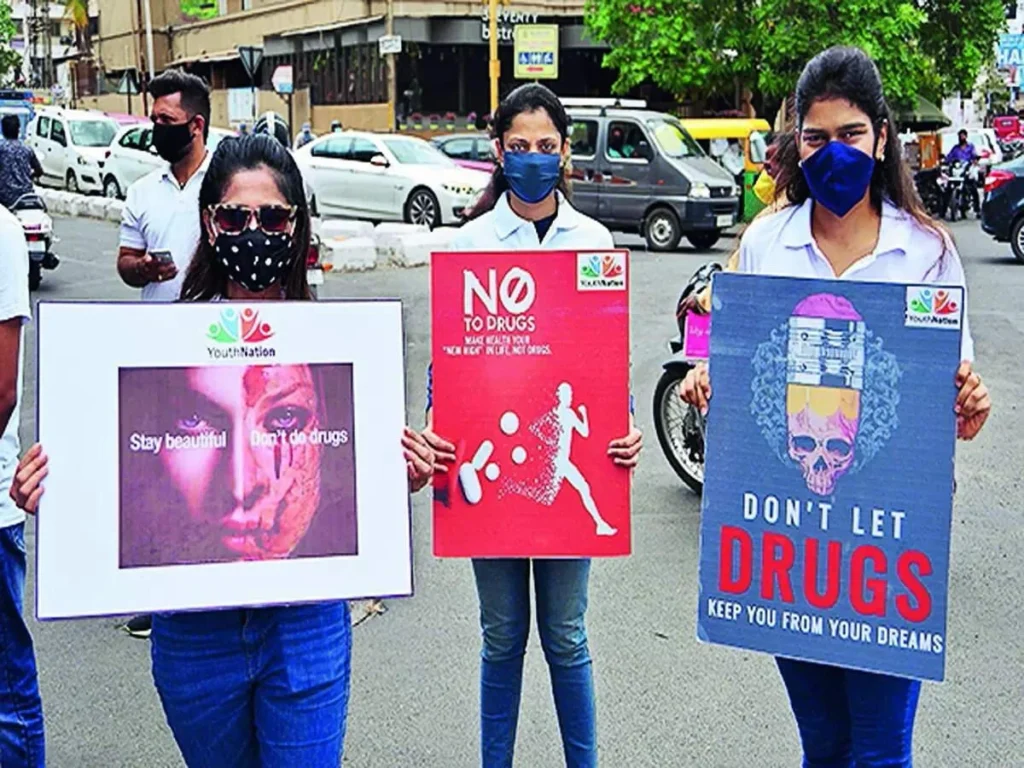
Prime Minister Modi called upon India’s youth to transform the campaign into a people’s movement.
He urged young citizens to:
- Say “No” to drugs.
- Support friends seeking help.
- Spread awareness through social media.
- Participate in community campaigns.
- Report illegal narcotics activities to authorities.
According to the Prime Minister, social awareness and community responsibility are essential alongside government action.
Economic Importance of a Healthy Youth Population
A drug-free youth population contributes directly to India’s long-term development goals.
Healthy young citizens strengthen:
- Workforce productivity.
- Innovation and entrepreneurship.
- National security.
- Public health.
- Educational outcomes.
- Economic growth.
As India works toward becoming a developed economy under the Viksit Bharat vision, reducing substance abuse is viewed as an important investment in human capital.
Experts Welcome Preventive Approach
Public health experts have generally welcomed greater emphasis on prevention and awareness, noting that education and early intervention can reduce the social and economic costs associated with addiction.
Specialists also emphasize the importance of:
- Expanding rehabilitation facilities.
- Improving mental health services.
- Supporting families affected by addiction.
- Ensuring continuous monitoring and evaluation of awareness programmes.
- Creating employment and recreational opportunities for young people.
Many experts believe that long-term success will depend on sustained community engagement alongside policy implementation.
Challenges Ahead
Despite increased awareness efforts, several challenges remain.
These include:
- Illegal drug trafficking networks.
- Social stigma surrounding addiction treatment.
- Limited rehabilitation facilities in some regions.
- Lack of awareness among vulnerable communities.
- Growing influence of synthetic drugs.
Addressing these issues will require cooperation among governments, healthcare institutions, law enforcement agencies, educators, civil society organizations, and citizens.
Looking Ahead
The launch of the Nasha Mukt Yuva Abhiyan marks another step in India’s broader efforts to protect young people from the harmful effects of substance abuse. By combining awareness campaigns, educational initiatives, rehabilitation services, and stricter enforcement against drug trafficking, the government aims to create an environment where youth can pursue education, careers, innovation, and entrepreneurship without the burden of addiction.
Prime Minister Modi’s message that a drug-free youth population is essential for achieving the vision of Viksit Bharat reinforces the idea that national development depends not only on economic progress but also on the health, discipline, and well-being of its citizens. If implemented effectively with strong public participation, the campaign has the potential to strengthen India’s human capital and contribute to a safer, healthier, and more prosperous future.