

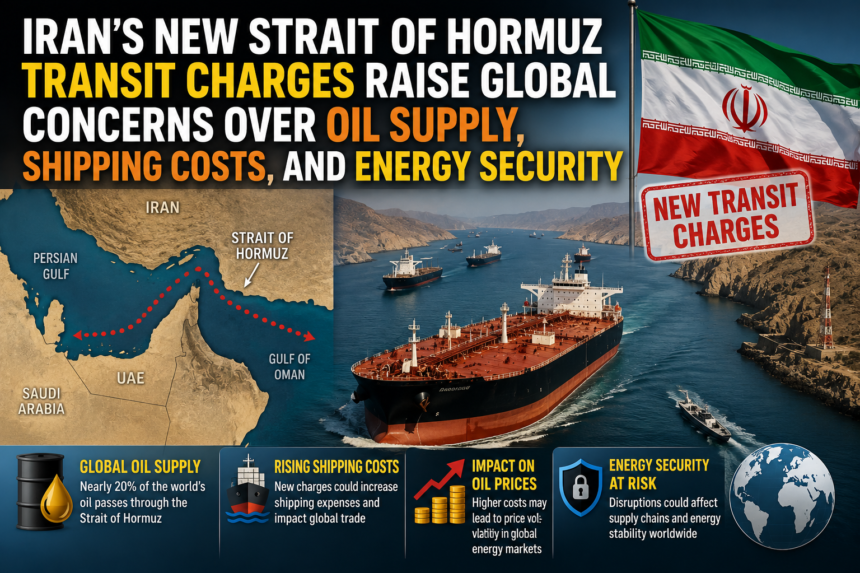
The Strait of Hormuz, one of the world’s most strategically important maritime chokepoints, has once again become the focus of global attention after Iran confirmed plans to introduce new transit service fees for commercial vessels passing through the waterway once the current 60-day temporary arrangement expires. Iranian officials say the charges are intended to cover maritime security, navigation support, and environmental protection, while several Western countries argue that the move could have implications for the principle of free navigation in international waters.
Because nearly one-fifth of the world’s crude oil and a significant share of liquefied natural gas (LNG) exports pass through the Strait of Hormuz, any policy change affecting shipping in the region has the potential to influence global energy markets, freight costs, and international trade.
Iran’s Announcement
Speaking at an international maritime forum, Iranian officials confirmed that a new service-fee system will be implemented for commercial vessels transiting the Strait of Hormuz after the current temporary arrangement ends.
According to Iran, the fees are designed to support:
- Maritime security operations
- Navigation assistance
- Environmental protection
- Search and rescue preparedness
- Port and vessel traffic management
Iran also suggested that countries maintaining friendly diplomatic relations with Tehran could receive preferential treatment or reduced charges under the proposed framework. Iranian authorities emphasized that the payment should be viewed as a service fee rather than a traditional transit toll.
Why the Strait of Hormuz Is So Important
The Strait of Hormuz connects the Persian Gulf with the Gulf of Oman and the Arabian Sea, making it one of the world’s busiest energy shipping corridors.
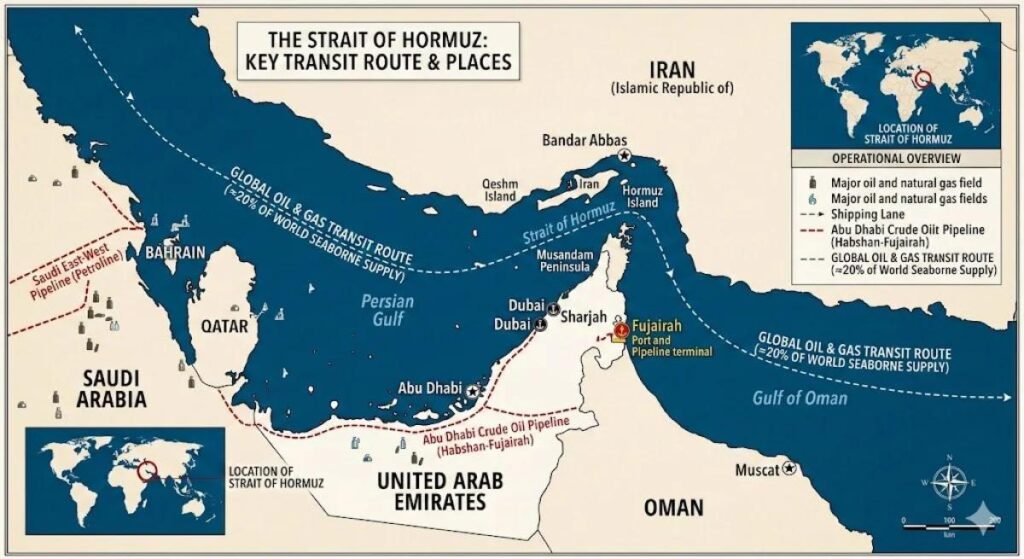
Every day, millions of barrels of crude oil pass through the narrow waterway.
Major energy exporters relying on this route include:
- Saudi Arabia
- United Arab Emirates
- Kuwait
- Iraq
- Qatar
- Iran
In addition to oil exports, the Strait also handles a significant portion of the world’s LNG shipments, particularly from Qatar.
Because there are limited alternative routes for Gulf energy exports, any disruption in Hormuz can quickly affect international energy markets.
The Temporary 60-Day Arrangement
The announcement follows a temporary 60-day understanding introduced after heightened regional tensions earlier this year.
During this period, commercial vessels continued to transit without the proposed service charges while diplomatic discussions continued.
Iran has now indicated that once this temporary arrangement expires, the new fee structure will be introduced.
The United States and several allies have maintained that the Strait of Hormuz is an international shipping lane where freedom of navigation should remain protected under international maritime law.
Global Reactions
Iran’s announcement has attracted immediate attention from governments, energy companies, and international shipping operators.
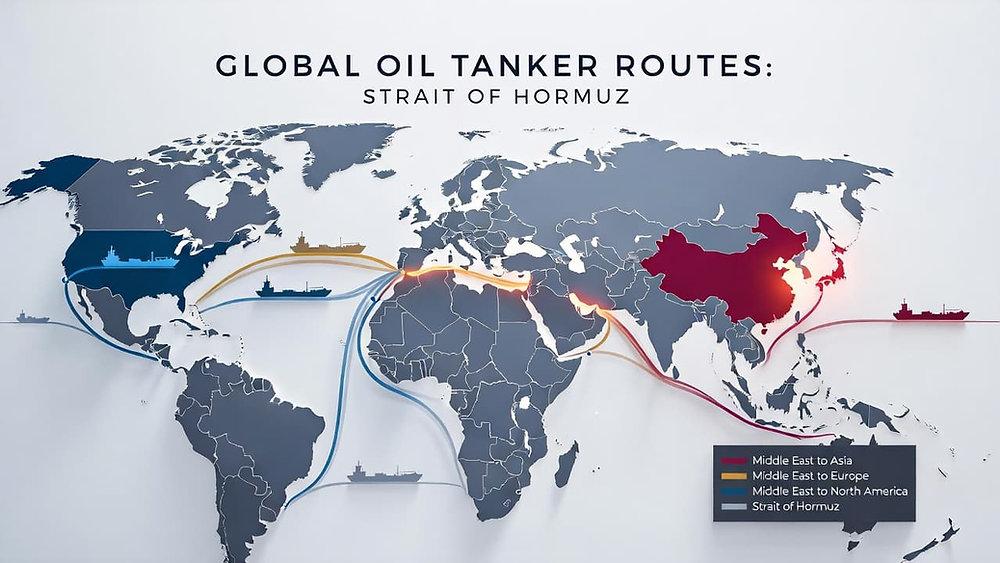
Industry analysts believe the proposal could potentially result in:
- Higher shipping costs
- Increased marine insurance premiums
- Rising transportation expenses
- Additional logistical challenges
- Greater uncertainty in energy markets
Several Western governments have reiterated their commitment to maintaining uninterrupted commercial navigation through the Strait. Meanwhile, shipping companies are closely monitoring developments before adjusting operational plans.
Possible Impact on Global Energy Markets
The Strait of Hormuz plays a critical role in maintaining global energy supplies.
If shipping costs increase due to the new service fees, experts believe the following consequences are possible:
- Higher crude oil prices
- Increased LNG transportation costs
- Greater fuel prices in importing countries
- Rising inflationary pressure
- Increased costs for manufacturing and logistics
Although the actual financial impact will depend on the final fee structure, energy traders are already watching the situation closely because even small disruptions in Hormuz can influence global commodity prices.
Implications for India
India imports a significant share of its crude oil from Gulf countries.
As a result, any increase in shipping expenses through the Strait of Hormuz could affect:
- India’s oil import bill
- Domestic fuel prices
- Shipping and logistics costs
- Industrial production expenses
- Trade competitiveness
Energy experts note that the exact impact on India will depend on whether the proposed service fees remain modest or rise substantially.
Shipping Industry Concerns
International shipping companies are evaluating the proposal carefully.
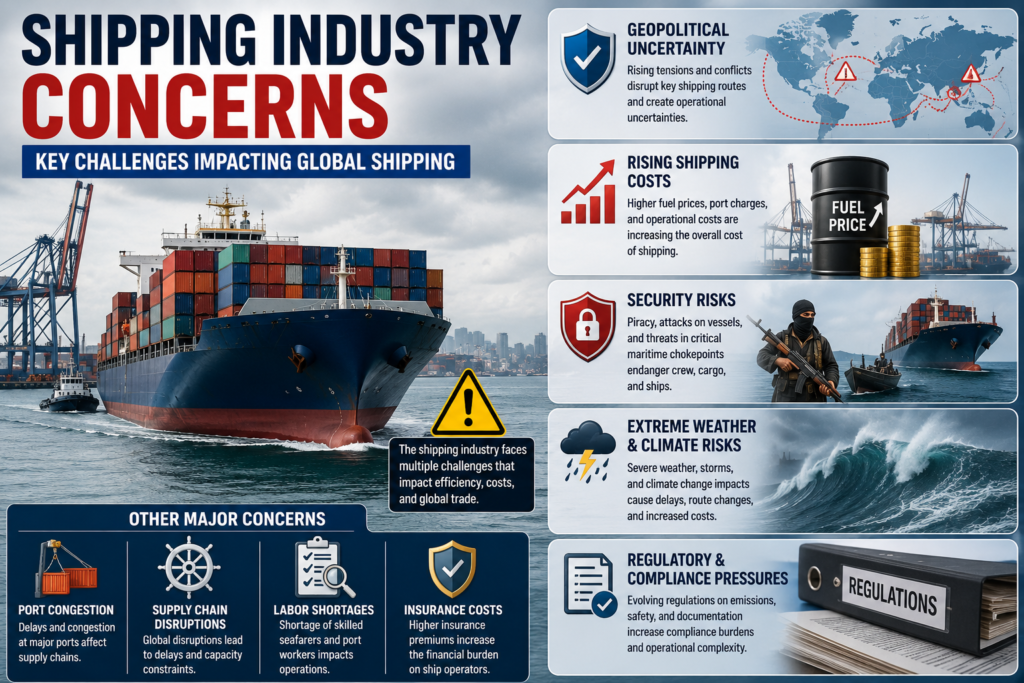
Their primary concerns include:
- Additional transit charges
- Longer voyage planning
- Increased insurance premiums
- Potential geopolitical risks
- Cargo delivery delays
Some shipping operators have already begun reviewing contingency plans in case regional tensions escalate further.
Diplomatic Challenges Ahead
The proposal is expected to become an important topic in regional and international diplomatic discussions.
Key issues include:
- Compatibility with international maritime law
- Freedom of navigation
- Regional security cooperation
- Energy supply stability
- Maritime safety standards
Diplomatic negotiations involving Iran, neighboring Gulf states, and major global powers will likely shape how the new policy is implemented.
What Happens Next?
Attention is now focused on several key questions:
- When will the new service fees officially take effect?
- How much will shipping companies be required to pay?
- Which countries, if any, will receive preferential treatment?
- How will major oil-importing nations respond?
- Will additional negotiations modify the proposal?
The answers to these questions will determine whether the announcement remains largely administrative or develops into a broader geopolitical and economic issue.
Conclusion
Iran’s confirmation of new transit service fees for vessels passing through the Strait of Hormuz marks another significant development in one of the world’s most strategically important maritime regions. While Tehran describes the charges as necessary for maritime security and operational services, many governments and shipping companies are evaluating their potential impact on international trade and energy markets.
Given the Strait’s central role in transporting global oil and LNG supplies, any change in shipping regulations has worldwide implications. In the coming weeks, diplomatic negotiations and official policy announcements will be closely watched as governments, energy companies, and shipping operators assess how the new fee structure could reshape global maritime commerce and energy security.