

New Delhi | Special Report
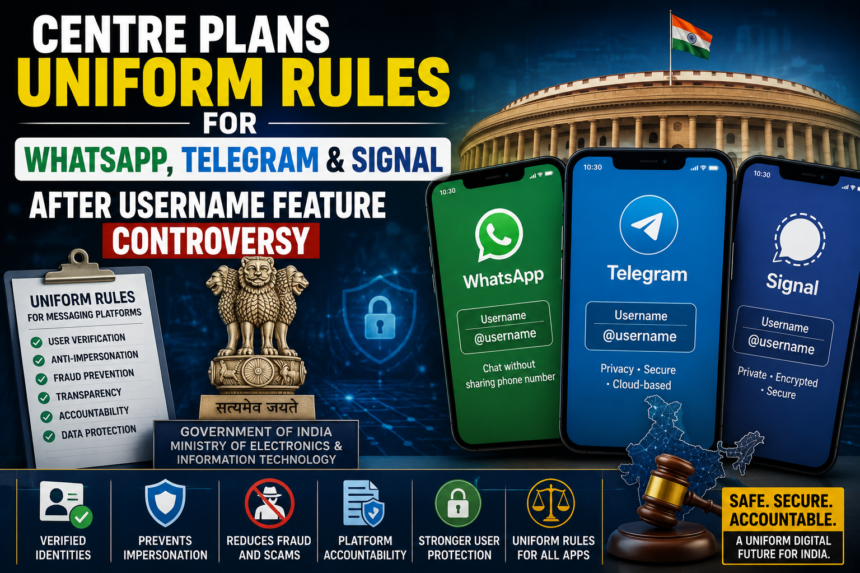
The Government of India is preparing to introduce uniform regulatory guidelines for all major messaging platforms, including WhatsApp, Telegram, Signal, and similar services, following concerns over WhatsApp’s proposed username feature. The move comes after the Ministry of Electronics and Information Technology (MeitY) raised questions about the feature, warning that it could increase the risk of online fraud, impersonation, phishing scams, and so-called “digital arrest” scams if not accompanied by adequate safeguards.
The proposed framework is expected to establish common standards for identity verification, user safety, fraud prevention, and platform accountability. Instead of regulating individual platforms separately, the government intends to create a single set of rules applicable to all major messaging services operating in India. Officials believe a uniform approach will close regulatory gaps and ensure that users receive the same level of protection regardless of the platform they choose.
Background: The WhatsApp Username Controversy
The issue began when Meta-owned WhatsApp announced a phased rollout of a username feature that would eventually allow users to communicate without publicly sharing their mobile phone numbers.
While the feature was designed to improve privacy and make it easier for users to connect, the Indian government expressed concern that usernames could also enable cybercriminals to impersonate public figures, government agencies, banks, businesses, and ordinary citizens.
The Ministry of Electronics and Information Technology subsequently issued a notice asking WhatsApp to pause the rollout in India until the government completed consultations and reviewed the platform’s safeguards.
Why Is the Government Concerned?
Government officials believe that introducing usernames without strong verification mechanisms may create new opportunities for cybercrime.
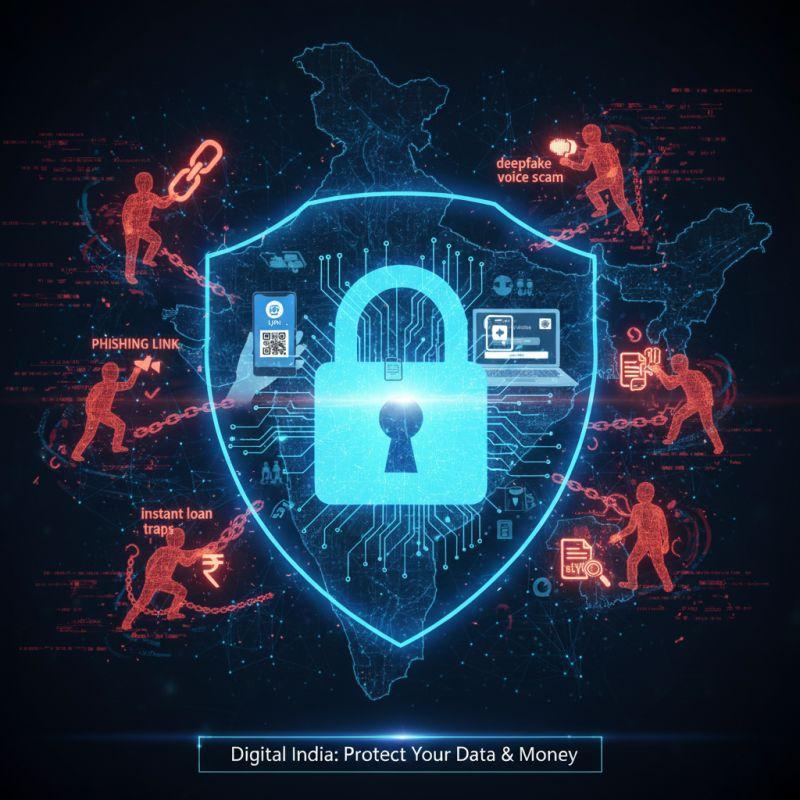
Major concerns include:
- Fake government accounts
- Bank impersonation scams
- Digital arrest fraud
- Identity theft
- Phishing attacks
- Business impersonation
- Customer support fraud
India has witnessed a sharp rise in cyber fraud over the past few years, with scammers increasingly exploiting messaging platforms to deceive users.
Officials argue that if users begin communicating through usernames rather than verified phone numbers, identifying criminals may become more difficult during investigations.
Uniform Rules for All Messaging Platforms
Rather than targeting WhatsApp alone, MeitY is reportedly working on a framework that will apply equally to:
- Telegram
- Signal
- Other encrypted messaging services
The objective is to ensure that no platform gains an unfair regulatory advantage and that users receive consistent protections across the digital ecosystem.
Possible areas covered by the new rules may include:
- Username registration standards
- Identity verification requirements
- Anti-impersonation safeguards
- Reporting and complaint mechanisms
- Fraud detection systems
- Cooperation with law enforcement
- Transparency obligations
WhatsApp’s Response
WhatsApp has submitted its response to the government’s notice, explaining the safeguards built into its proposed username system.
According to the company, the feature includes several protections, such as:
- Users would still need a valid phone number to create and use a WhatsApp account.
- High-profile usernames, including those of governments, public figures, and verified organizations, would be reserved to prevent misuse.
- The platform plans to detect and block lookalike usernames designed to impersonate legitimate users.
- Limits would be placed on unsolicited messages from unknown accounts.
- Additional systems would monitor suspicious behavior and abuse patterns.
Despite these assurances, the government has indicated that the rollout will remain on hold in India until consultations are complete.
Telegram and Signal Also Under Review
The government’s review is not limited to WhatsApp.
Telegram and Signal have also received notices seeking information about their username features and safety mechanisms. Officials are examining how these platforms handle:
- Username creation
- Identity verification
- Impersonation prevention
- Abuse reporting
- User privacy
This reflects the government’s broader effort to create technology-neutral regulations that apply equally to all messaging services.
Balancing Privacy and Security
One of the biggest challenges facing policymakers is balancing user privacy with public safety.
Messaging platforms increasingly use end-to-end encryption, ensuring that only the sender and recipient can read message content. While encryption enhances privacy, law enforcement agencies argue that it can also make investigations more difficult in cases involving cybercrime, fraud, or national security.
The current discussions focus primarily on usernames and identity safeguards rather than weakening encryption itself. Nevertheless, the debate highlights the ongoing tension between protecting user privacy and preventing digital crime.
Rising Cyber Fraud in India
India has seen a significant increase in online fraud in recent years.
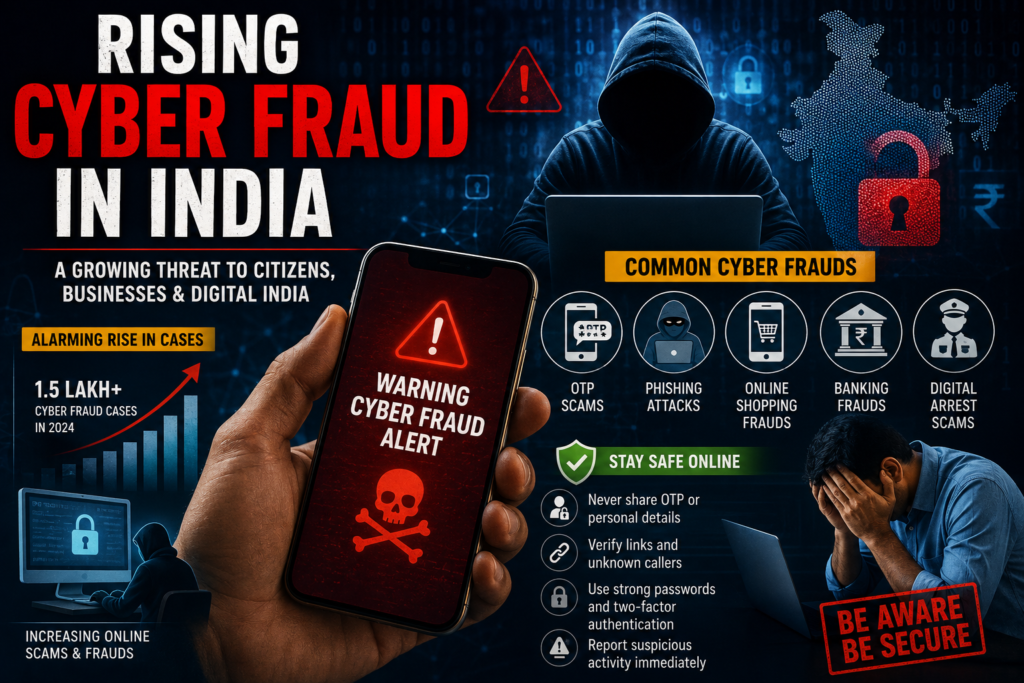
Common scams include:
- Fake investment schemes
- Digital arrest scams
- Bank account verification fraud
- OTP scams
- Fake customer support numbers
- QR code fraud
- Identity impersonation
Authorities believe that stronger identity verification and platform-level protections can reduce opportunities for criminals to exploit messaging applications.
Impact on Users
If the proposed rules are implemented, users may notice several changes.
Potential improvements could include:
- Better verification of official accounts.
- Reduced fake profiles.
- Faster reporting of fraudulent accounts.
- Greater transparency regarding unknown contacts.
- Improved protection against impersonation.
However, users may also encounter additional verification requirements when creating usernames or accessing certain platform features.
Impact on Technology Companies
Technology companies operating in India may need to:
- Strengthen identity verification systems.
- Improve fraud detection tools.
- Increase cooperation with regulators.
- Develop better complaint resolution mechanisms.
- Introduce additional security features.
Although compliance may increase operational costs, industry experts believe common standards could simplify long-term regulatory compliance by replacing multiple platform-specific requirements with one unified framework.
Expert Opinions
Cybersecurity experts generally agree that impersonation risks should be addressed proactively.
Many support:
- Verified usernames for public institutions.
- AI-based fraud detection.
- Strong reporting systems.
- User education campaigns.
However, privacy advocates caution that any new regulations should avoid unnecessary collection of personal data and should preserve the strong encryption that protects legitimate users from surveillance and cyber threats.
What Happens Next?
The government is currently reviewing responses submitted by WhatsApp and other messaging platforms.
Following consultations with industry stakeholders, MeitY is expected to finalize its proposed regulatory framework.
The rules may be introduced after:
- Technical consultations.
- Legal review.
- Industry feedback.
- Cybersecurity assessment.
Officials have not announced a specific timeline for implementation.
Conclusion
India’s plan to introduce uniform rules for messaging platforms marks a significant step in the country’s evolving digital governance framework. Prompted by concerns surrounding WhatsApp’s proposed username feature, the government is seeking to establish common standards that strengthen user safety while maintaining a level playing field for all messaging services.
As cyber fraud becomes increasingly sophisticated, policymakers face the challenge of protecting users without undermining privacy or innovation. The outcome of these consultations could shape the future of digital communication regulation in India and influence how global technology companies design messaging features for one of the world’s largest internet markets.