
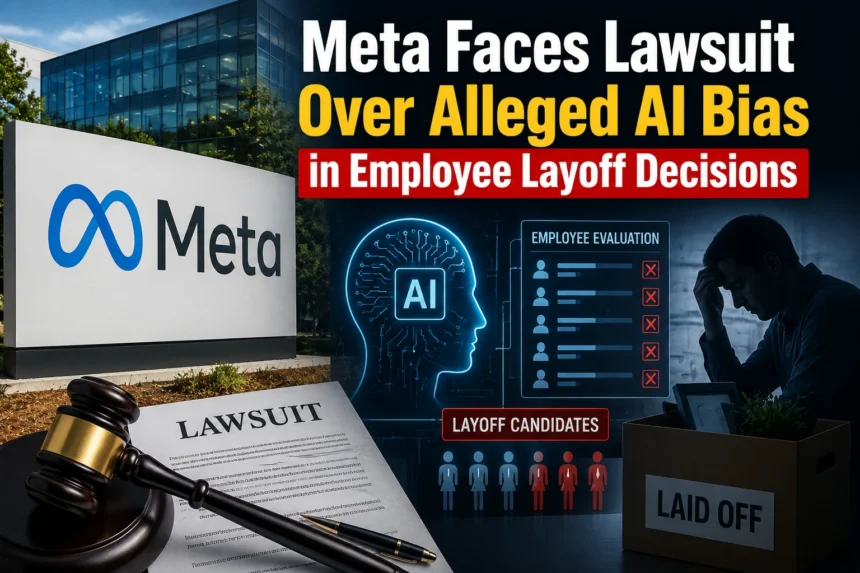
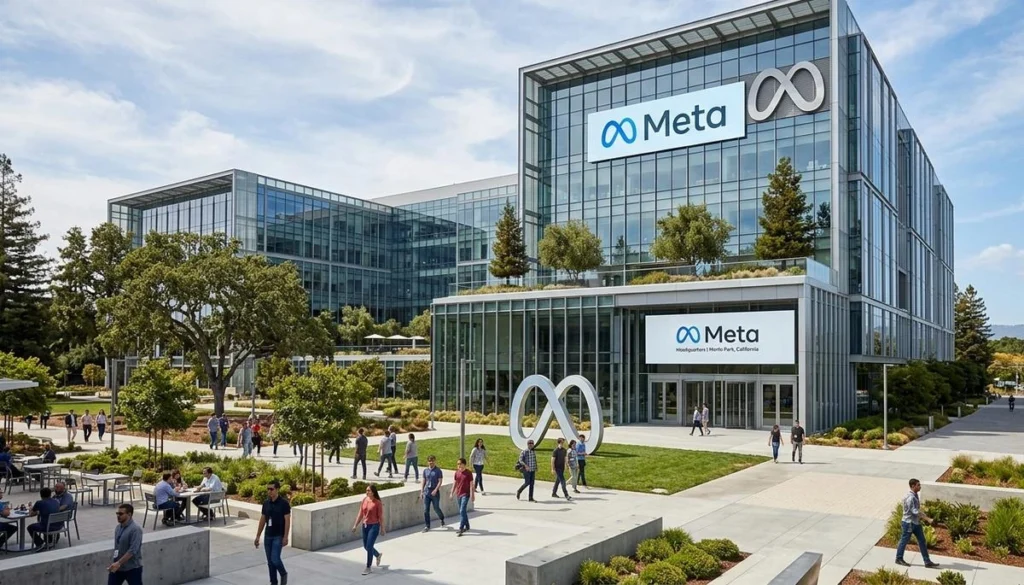
Artificial intelligence is rapidly transforming workplaces across the globe, helping businesses improve productivity, automate repetitive tasks, and streamline decision-making. However, a new lawsuit against Meta Platforms—the parent company of Facebook, Instagram, and WhatsApp—has raised serious concerns about how AI may have been used in employment decisions.
Twenty-six current and former Meta employees have filed a lawsuit in federal court alleging that the company relied on AI-powered systems to identify workers for layoffs and that these systems disproportionately targeted employees with medical conditions, disabilities, pregnancy-related accommodations, or those who had taken legally protected medical or family leave. Meta strongly denies the allegations, insisting that layoff decisions were made by human managers rather than artificial intelligence.
The lawsuit is attracting global attention because it could become one of the first major legal cases testing whether AI-assisted employment decisions violate anti-discrimination laws.
What Does the Lawsuit Allege?
The lawsuit was filed in the U.S. District Court in Oakland, California, by 26 anonymous plaintiffs from six U.S. states and Washington, D.C.
According to the complaint, Meta allegedly relied on multiple internal AI-powered systems and employee analytics tools to evaluate productivity and determine which workers would be included in a large round of layoffs announced earlier this year.
The plaintiffs argue that employees who were on medical leave, parental leave, pregnancy leave, disability accommodation, or family leave naturally generated lower productivity metrics because they were legally absent from work. Instead of adjusting for those protected absences, the AI systems allegedly treated reduced activity as poor performance, resulting in a disproportionate number of protected employees being selected for layoffs.
AI Tools Allegedly Used
Court documents describe several internal technologies that were reportedly considered during workforce evaluations.
Among the systems mentioned are:
- Internal AI assistant “Metamate”
- AI-powered performance dashboards
- AI token usage statistics
- Employee productivity tracking
- Communication analytics
- Activity and work-pattern monitoring
- Algorithm-assisted performance rankings
The plaintiffs argue that these systems created performance scores without properly accounting for legally protected leave, leading to unfair comparisons between employees who remained continuously active and those who were temporarily absent due to health or family reasons.
Meta’s Response
Meta has rejected the allegations.
A company spokesperson stated that workforce management decisions “were and are made by people, not AI,” and described the claims as lacking merit.
According to Meta, artificial intelligence may support workplace operations, but final employment decisions remain the responsibility of human managers.
The company says the lawsuit mischaracterizes how internal systems are actually used during organizational restructuring. (Reuters)
Background: Meta’s 2026 Layoffs
Earlier this year, Meta announced one of its largest workforce reductions in recent years.
Approximately 8,000 employees, representing around 10% of the company’s workforce, were affected as Meta accelerated investments in artificial intelligence while restructuring several business divisions. (Quartz)
The company explained that the restructuring was intended to improve efficiency and redirect resources toward AI research and infrastructure.
However, the new lawsuit argues that the layoff process itself may have violated employment protections.
Why Employees Say the AI Was Biased
The central argument in the lawsuit is relatively straightforward.
Employees on medical leave cannot:
- Write software code.
- Attend meetings.
- Respond to emails.
- Generate AI usage statistics.
- Maintain normal productivity metrics.
If an AI system evaluates all workers using identical productivity indicators without considering legally protected leave, workers who were absent for legitimate medical reasons may automatically receive lower rankings.
The plaintiffs argue that this creates a discriminatory outcome, even if no one explicitly intended to discriminate. (AP News)
Legal Questions Raised
The lawsuit raises several important legal issues under U.S. employment law.
The plaintiffs allege violations of:
- Americans with Disabilities Act (ADA)
- Family and Medical Leave Act (FMLA)
- Title VII of the Civil Rights Act
- California anti-discrimination laws
- Other state employment protections
The complaint also references newer regulations that require employers to evaluate AI systems for potential bias before using them in employment decisions. (Reuters)
AI and Workplace Bias
Artificial intelligence is only as reliable as the data used to train and operate it.
If historical productivity data fail to distinguish between ordinary performance and legally protected leave, AI systems may unintentionally reinforce discrimination.
Experts often describe this as algorithmic bias, where automated systems produce unfair outcomes because of flawed assumptions, incomplete datasets, or biased performance indicators.
This case may become a landmark example of how courts evaluate algorithmic fairness in employment.
Why This Case Matters Beyond Meta
The lawsuit extends far beyond one technology company.
Today, many organizations use AI to assist with:
- Hiring
- Resume screening
- Performance reviews
- Promotions
- Employee monitoring
- Workforce planning
- Layoff decisions
If courts determine that AI-assisted evaluations violated employment laws, employers across industries may need to redesign their HR systems, improve human oversight, and conduct regular bias audits.
Ethical Concerns Around AI in Human Resources
The rapid adoption of AI has outpaced legal and ethical standards in many workplaces.
Key concerns include:
- Lack of transparency in AI decision-making.
- Difficulty for employees to challenge automated evaluations.
- Potential discrimination against protected groups.
- Overreliance on productivity metrics.
- Insufficient human review before major employment decisions.
Many experts argue that AI should assist managers rather than replace human judgment in sensitive decisions such as promotions, disciplinary actions, or layoffs.
The Future of AI Regulation
Governments around the world are developing new rules to regulate AI in employment.
Emerging frameworks generally emphasize:
- Transparency.
- Explainability.
- Human oversight.
- Bias testing.
- Employee rights.
- Accountability for automated decisions.
This lawsuit could accelerate efforts to establish clearer standards for responsible AI use in workplaces.
What the Plaintiffs Want
The employees are seeking:
- A court order delaying their terminations while arbitration proceeds.
- An independent review of Meta’s layoff process.
- Changes to how AI systems evaluate workers.
- Protection for employees on medical or family leave.
- Damages if the court finds unlawful discrimination. (Reuters)
Potential Impact on the Technology Industry
If the plaintiffs succeed, the case could reshape how major technology companies deploy AI for workforce management.
Organizations may face increased obligations to:
- Audit AI systems regularly.
- Document how algorithms influence employment decisions.
- Ensure protected leave does not negatively affect performance scores.
- Strengthen human oversight in personnel decisions.
Many employment law experts believe this litigation could become one of the defining AI workplace cases of the decade.
Conclusion
The lawsuit against Meta represents a significant moment in the evolving relationship between artificial intelligence and employment law. While the allegations have not been proven in court, they raise important questions about whether AI systems can fairly evaluate employees who take legally protected medical or family leave.
Meta denies that AI made layoff decisions and maintains that human managers were responsible. The outcome of the case will depend on evidence presented during the legal process. Regardless of the verdict, the lawsuit underscores the growing need for transparent, accountable, and unbiased AI systems in workplaces.
As businesses increasingly adopt AI to manage employees, this case may help define the legal boundaries for automated decision-making and shape future workplace regulations worldwide.
Read More : – Human-Centred AI Gains Global Momentum: Shaping the Future of Technology Around People