

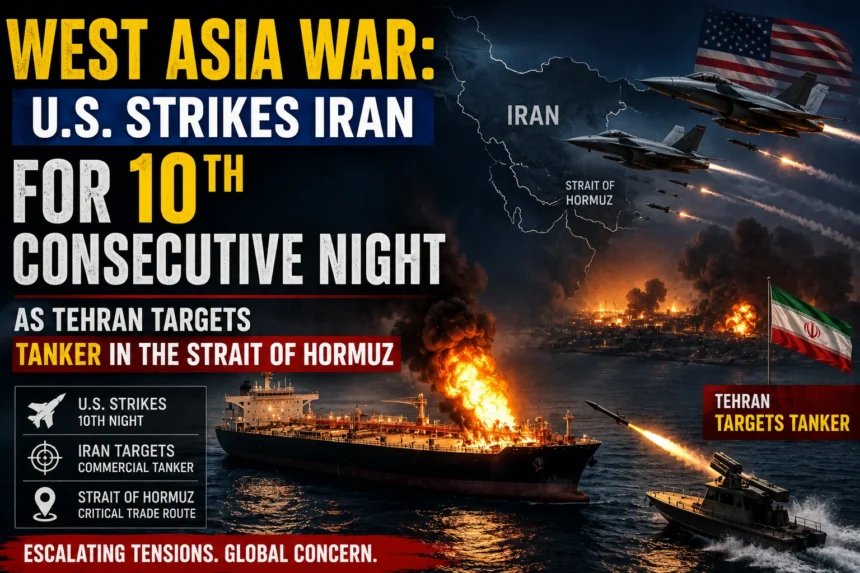
Escalating Military Confrontation Raises Fears of a Wider Regional Conflict and Global Energy Crisis
New Delhi | July 21, 2026 | PaperPatrika International Desk
The conflict in West Asia has entered an even more dangerous phase as the United States launched airstrikes against Iran for the tenth consecutive night, while Tehran retaliated by attacking a commercial tanker transiting the Strait of Hormuz, one of the world’s most strategically important maritime routes. The latest escalation has intensified concerns about regional security, global energy supplies, and the possibility of a broader military confrontation involving multiple countries.
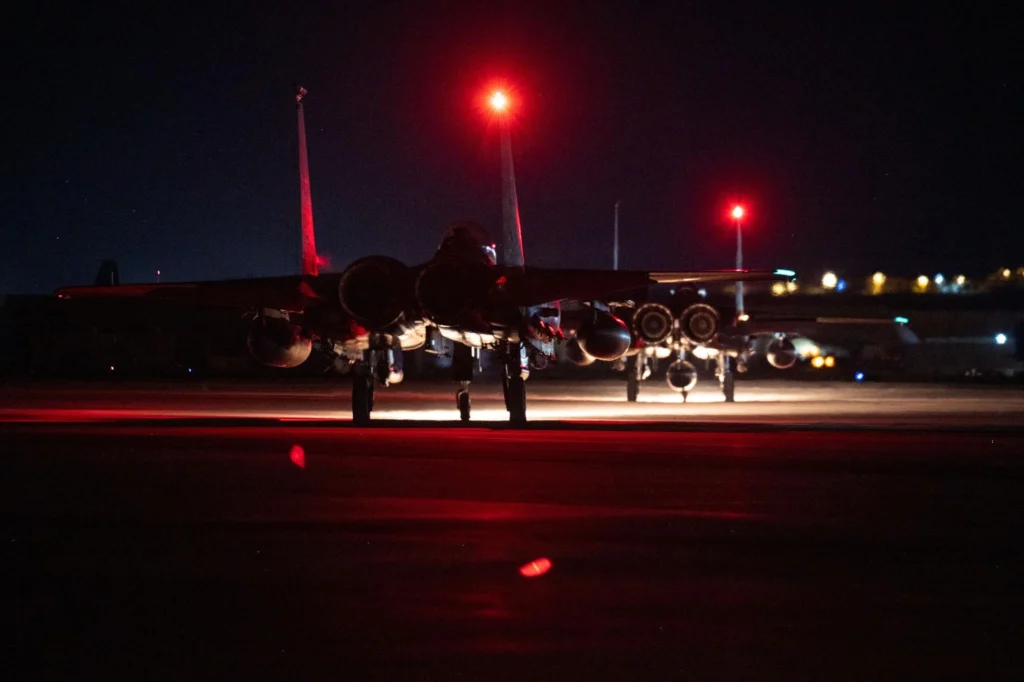
According to the U.S. Central Command (CENTCOM), American forces carried out another series of precision strikes targeting Iranian military command centers, missile launch facilities, drone infrastructure, maritime assets, and air-defense systems. Washington said the operations are intended to reduce Iran’s capability to threaten international shipping and protect American personnel and allied nations operating in the region.
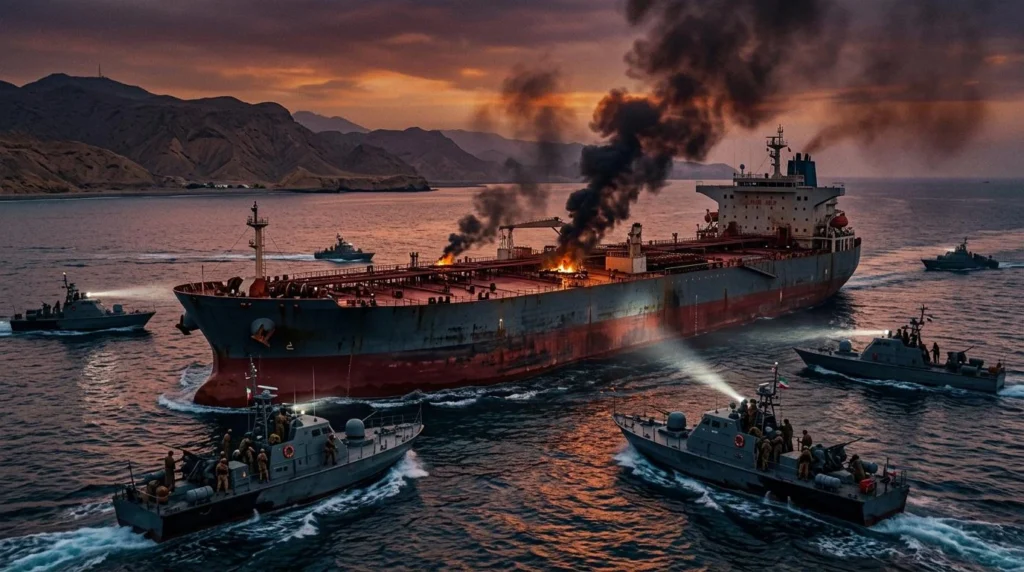
Within hours of the latest U.S. offensive, Iran responded by striking a commercial tanker passing through the Strait of Hormuz. Initial reports indicate that the vessel caught fire, forcing its crew to abandon ship before being rescued. The attack has renewed fears that one of the world’s most critical energy corridors could become the center of a prolonged military confrontation. (AP News)
A Decade of Consecutive U.S. Airstrikes
The latest military operation marks the tenth straight night of American airstrikes on Iranian territory, representing one of the longest continuous U.S. air campaigns against Iran in recent years.
CENTCOM stated that the operation involved:
- Fighter aircraft
- Long-range bombers
- Armed drones
- Naval strike assets
- Precision-guided missiles
Military officials said the strikes focused on degrading Iran’s offensive military capabilities rather than targeting civilian infrastructure. The identified targets included command-and-control centers, missile depots, drone launch sites, radar installations, and naval facilities used by Iran’s Revolutionary Guard Corps. (Reuters)
Washington maintains that the sustained campaign is aimed at ensuring freedom of navigation through international waters and protecting commercial shipping from repeated attacks.
Iran’s Immediate Response
Shortly after the U.S. strikes, Iran retaliated by targeting a commercial tanker navigating through the Strait of Hormuz.
The attack reportedly caused:
- A fire aboard the vessel.
- Emergency evacuation of the crew.
- Temporary disruption to nearby maritime traffic.
- Increased naval patrols by international forces.
No immediate confirmation was available regarding casualties, but maritime authorities launched rescue operations to secure the crew and nearby vessels.
Iran has repeatedly warned that continued American military operations would trigger stronger responses across the Gulf region.
Why the Strait of Hormuz Matters
The Strait of Hormuz is one of the world’s most strategically important waterways.
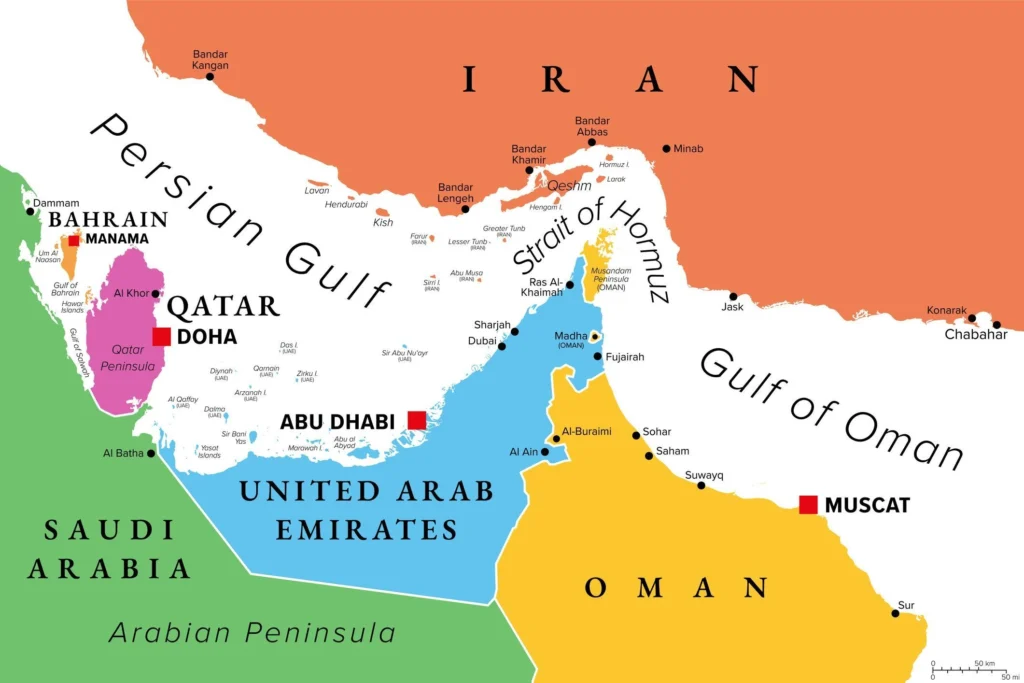
Located between Iran and Oman, the narrow passage connects the Persian Gulf to the Arabian Sea.
Its significance includes:
- Around 20% of global oil shipments traditionally pass through the strait.
- A major share of global liquefied natural gas (LNG) exports also transit the route.
- Energy exports from Saudi Arabia, the UAE, Kuwait, Iraq, and Qatar depend heavily on uninterrupted navigation.
Because of this strategic importance, even limited military activity in the area can significantly affect global energy markets and international trade.
Growing Regional Tensions
The conflict is no longer confined solely to the United States and Iran.
According to multiple reports, Iranian missile and drone attacks have also targeted American allies across the Gulf region, including Bahrain, Kuwait, and Jordan.
Regional governments have increased military readiness, activated air-defense systems, and strengthened naval security around critical shipping lanes.
Several countries have also issued travel advisories and elevated security alerts amid fears that the conflict could spread further.
Human Cost of the Conflict
The prolonged military confrontation has resulted in increasing casualties on both sides.
Recent Pentagon statements indicate that dozens of American service members have been injured during retaliatory attacks over the past several weeks, while earlier strikes reportedly resulted in fatalities among U.S. forces stationed in the region. (The Guardian)
Although both governments claim their military operations are directed at strategic objectives, humanitarian organizations continue to warn about the growing risks faced by civilians living near military installations.
Economic Impact
Financial markets reacted cautiously to the latest developments.
Energy analysts warn that continued instability in the Strait of Hormuz could result in:
- Higher global crude oil prices.
- Rising shipping insurance premiums.
- Increased transportation costs.
- Supply chain disruptions.
- Higher inflation across energy-importing nations.
Oil traders remain particularly sensitive to developments because any prolonged interruption of Gulf exports could significantly tighten global energy supplies. (AP News)
Impact on Global Shipping
Commercial shipping companies are reassessing routes through the Gulf.
Several maritime security organizations have advised vessels to:
- Maintain heightened security measures.
- Coordinate closely with naval authorities.
- Avoid unnecessary delays within high-risk zones.
- Increase onboard surveillance.
Insurance providers are also reviewing risk assessments for vessels operating in the Strait of Hormuz.
Diplomatic Efforts Face Major Challenges
Despite the ongoing military exchanges, diplomatic channels have not been completely abandoned.
International organizations and several regional governments continue urging both Washington and Tehran to return to negotiations.
However, analysts believe that mutual distrust remains extremely high, making immediate de-escalation difficult.
Several countries have expressed concern that prolonged conflict could destabilize the broader Middle East and negatively impact the global economy.
Military Objectives of Both Sides
United States
The U.S. government says its objectives include:
- Protecting commercial shipping.
- Maintaining freedom of navigation.
- Preventing attacks on American forces.
- Reducing Iran’s missile and drone capabilities.
- Protecting regional allies.
Iran
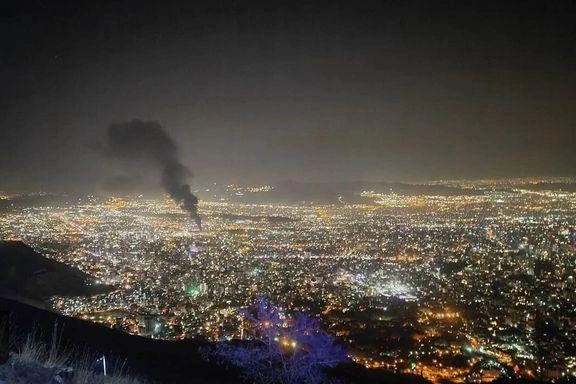
Iran argues that its military actions are defensive responses to American airstrikes and foreign military presence in the Gulf.
Tehran has repeatedly stated that continued attacks on Iranian territory will be met with stronger retaliation.
International Reactions
Governments across Europe, Asia, and the Middle East have called for restraint.
Global leaders have expressed concern that further escalation could:
- Disrupt international trade.
- Increase energy prices.
- Trigger refugee movements.
- Draw additional countries into the conflict.
The United Nations has also urged all parties to avoid actions that could further destabilize the region.
Timeline of Recent Events
| Date | Major Development |
| Day 1–9 | Consecutive U.S. airstrikes on Iranian military targets |
| Day 10 | Latest American strikes target missile, drone, and naval infrastructure |
| Same Day | Iran attacks commercial tanker in the Strait of Hormuz |
| Current Situation | Regional military alert remains at a high level |
Key Facts
| Category | Details |
| Conflict Zone | West Asia |
| Latest Development | U.S. conducts 10th consecutive night of strikes |
| Iranian Response | Commercial tanker attacked in Strait of Hormuz |
| Strategic Waterway | Strait of Hormuz |
| Major Concern | Global energy security and maritime trade |
| Primary Risk | Wider regional military escalation |
Why the World Is Watching
The Strait of Hormuz remains one of the most important geopolitical chokepoints on Earth.
Any prolonged disruption could influence:
- Global oil supplies.
- International shipping.
- Financial markets.
- Inflation worldwide.
- Energy security for major importing countries including India, China, Japan, and many European nations.
Because of these interconnected economic interests, developments in the Gulf are being monitored closely by governments, investors, and international organizations.
Outlook
Military analysts believe the coming days will be crucial in determining whether the conflict remains a limited exchange of airstrikes or evolves into a broader regional war.
The continuation of U.S. military operations and Iran’s retaliatory attacks indicates that neither side currently appears willing to significantly reduce military pressure. At the same time, diplomatic efforts continue behind the scenes, although no breakthrough has yet been announced.
With commercial shipping increasingly vulnerable and global energy markets under pressure, the international community is expected to intensify calls for dialogue and restraint. Until meaningful diplomatic progress is achieved, the Strait of Hormuz is likely to remain one of the world’s most closely watched flashpoints, carrying profound implications for regional stability and the global economy.
Also Read: – US-Iran News: Iran Suspends Islamabad MoU After Alleged US Violations; Air Raid Sirens Sound Again in Bahrain