

By PaperPatrika Political Desk | New Delhi
Introduction
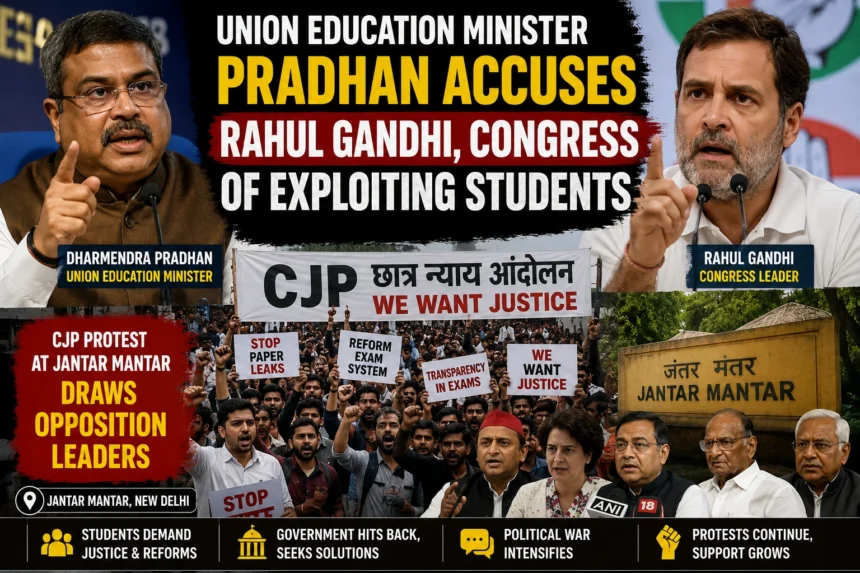
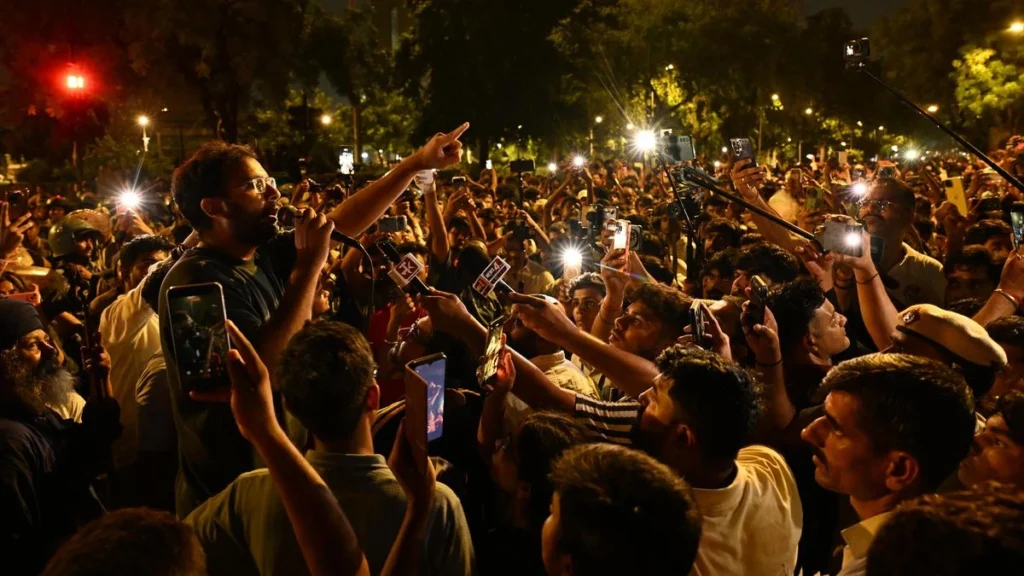
Political tensions intensified in New Delhi as Union Education Minister Dharmendra Pradhan accused Congress leader Rahul Gandhi and the Congress party of exploiting student protests for political gains. His remarks came amid ongoing demonstrations at Delhi’s Jantar Mantar, where the CJP (Cockroach Janta Party)-led protest has emerged as a focal point of opposition politics.
The protest, which began over alleged irregularities in competitive examinations and demands for greater transparency in India’s examination system, has evolved into a broader political issue. Several opposition leaders have visited the protest site to express solidarity with students, while the government maintains that it is committed to education reforms but opposes what it describes as the politicization of student concerns.
Background of the Protest
The demonstrations were initially organized by students demanding:
- Greater transparency in competitive examinations.
- Strong action against alleged examination irregularities.
- Accountability within the education system.
- Comprehensive reforms in recruitment and entrance examinations.
As participation grew, Jantar Mantar became the main venue for the protests. The issue gained national attention after clashes between protesters and police during a march toward Parliament, triggering widespread political debate.
Dharmendra Pradhan’s Response
Breaking his silence on the controversy, Union Education Minister Dharmendra Pradhan stated that the government is committed to addressing genuine concerns raised by students.
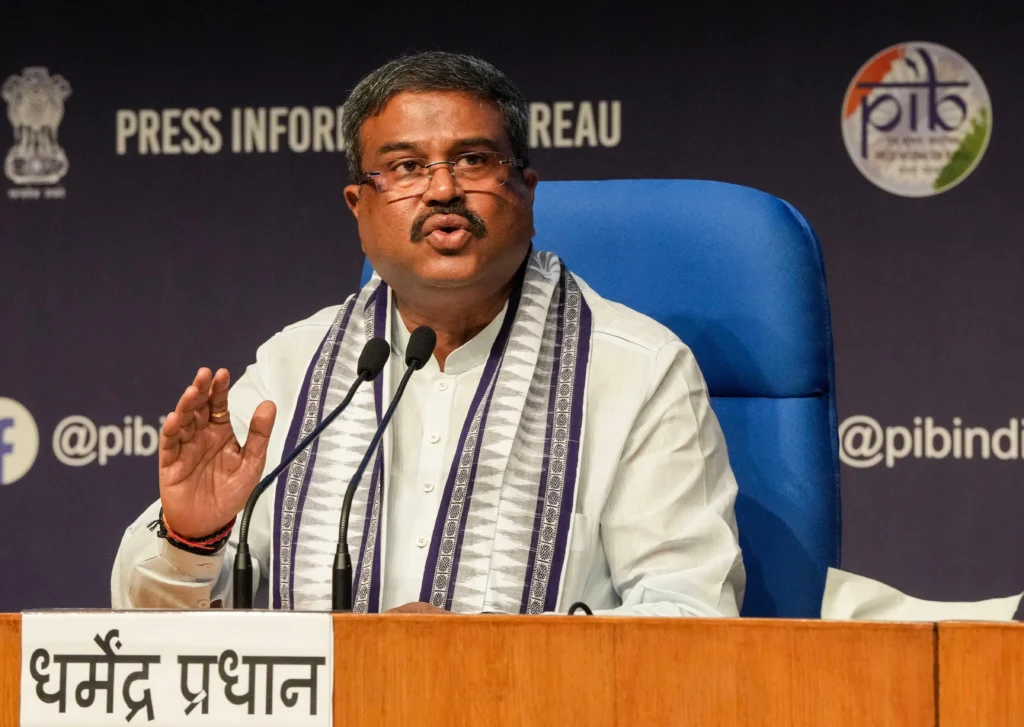
According to Pradhan:
- The government is prepared to discuss reforms and accountability.
- Students deserve constructive solutions rather than political slogans.
- Rahul Gandhi and the Congress are attempting to exploit students’ emotions for political gain.
- The opposition is more interested in creating political confrontation than finding practical solutions.
He emphasized that the government remains open to dialogue but criticized what he described as attempts to convert student movements into political campaigns.
Rahul Gandhi and Congress Stand
Rahul Gandhi, accompanied by senior Congress leaders, visited the protest site and later participated in demonstrations near the Prime Minister’s residence.
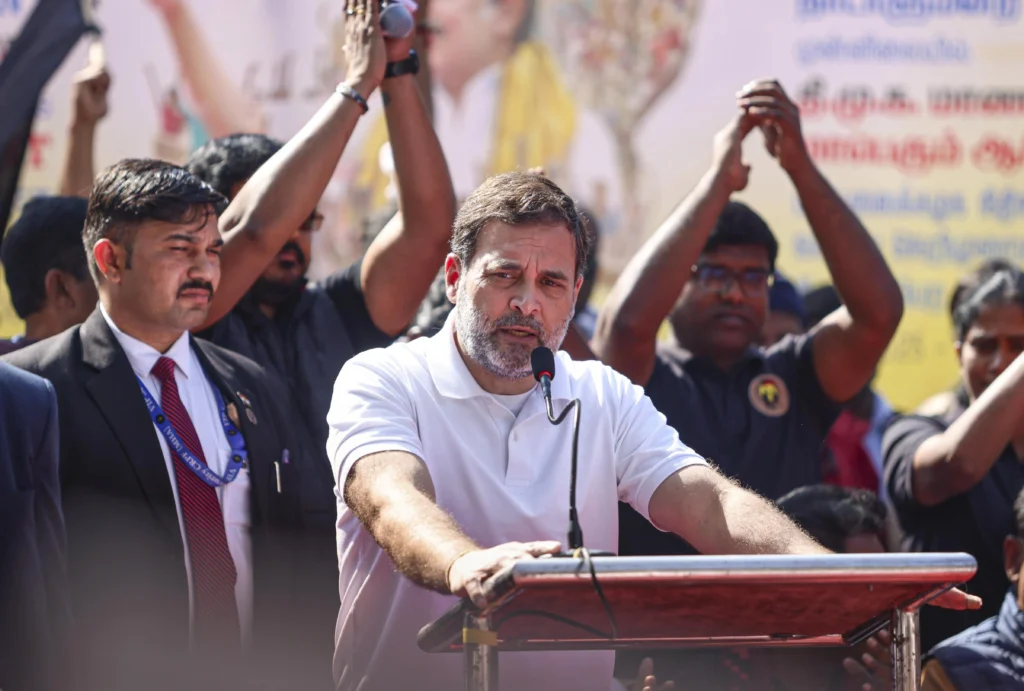
The Congress has alleged that:
- The government is suppressing students’ voices.
- Police used excessive force against peaceful protesters.
- The Centre has failed to adequately address concerns regarding examination reforms.
Congress leaders have also demanded accountability from the Education Ministry and called for comprehensive reforms to restore public confidence in India’s examination system.
Jantar Mantar Becomes Political Centre
Over the past several days, Jantar Mantar has seen visits by leaders from multiple opposition parties.
Political leaders have described the movement as a reflection of growing frustration among students and unemployed youth, arguing that the protests extend beyond education and represent wider concerns about governance and employment opportunities.
The presence of senior opposition figures has significantly increased media attention surrounding the demonstrations.
Government vs Opposition
The controversy has created a sharp political divide.
Government’s Position
The government argues that:
- Student welfare remains its priority.
- Examination reforms are already under consideration.
- Political parties should not exploit students’ concerns.
- Constructive dialogue is preferable to confrontation.
Opposition’s Position
The opposition maintains that:
- Students are demanding legitimate reforms.
- Police action against protesters was unnecessary.
- The government has failed to ensure transparency and accountability.
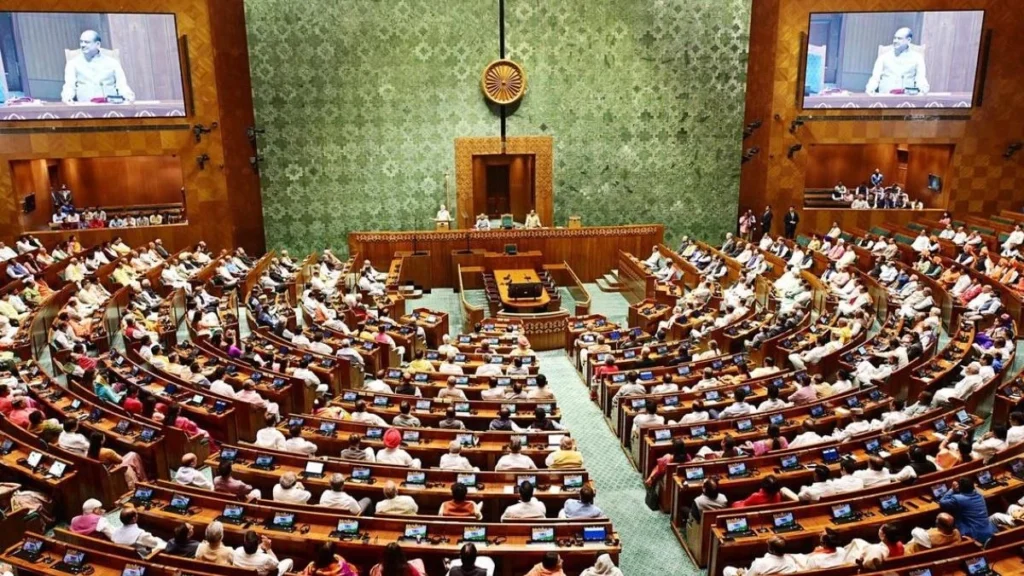
The issue has become one of the major topics during the ongoing Parliament session.
Police Action Under Scrutiny
Following the “March to Parliament,” police detained several protesters and opposition leaders after demonstrations near restricted areas.
Authorities stated that security measures were necessary to maintain law and order around Parliament and government buildings.
However, opposition leaders alleged that peaceful demonstrations were unfairly restricted and criticized the government’s handling of the protests.
Students’ Key Demands
The protesters continue to demand:
- Transparent examination procedures.
- Independent investigations into alleged irregularities.
- Accountability of officials responsible for examination management.
- Strong legal action against those involved in paper leaks.
- Comprehensive reforms in recruitment and entrance examinations.
Student representatives have stated that the movement will continue until meaningful policy measures are announced.
Political Significance
Political analysts believe the protests have expanded beyond education policy.
The issue has become a significant political battleground because:
- Students constitute an influential voter base.
- Examination transparency directly affects millions of young aspirants.
- The opposition sees the movement as an opportunity to challenge the government.
- The ruling party seeks to demonstrate its commitment to reform while preventing political polarization.
The developments are expected to remain a major issue throughout the Parliament session.
What Happens Next?
The coming days will be crucial in determining the direction of the controversy.
Key questions include:
- Will the government initiate formal talks with student representatives?
- Will Parliament hold an extended debate on examination reforms?
- Will opposition support further strengthen the movement?
- Will the Education Ministry announce new policy measures?
Observers believe that meaningful dialogue between the government and student representatives could help reduce tensions, while continued political confrontation may prolong the protests.
Conclusion
The ongoing demonstrations at Jantar Mantar have evolved into one of the most significant political issues of the current Parliament session. While the government insists it is committed to education reforms and accuses the opposition of politicizing student concerns, opposition parties argue they are standing with students demanding accountability and transparency.
Whether the issue ultimately results in major examination reforms or remains a political flashpoint will depend on the government’s response, parliamentary discussions, and the future course of the student movement.
Also Read: – Parliament Monsoon Session: Opposition’s Demand for Debate on Question Paper Leaks Disrupts Both Houses