

New Delhi | National Desk | PaperPatrika
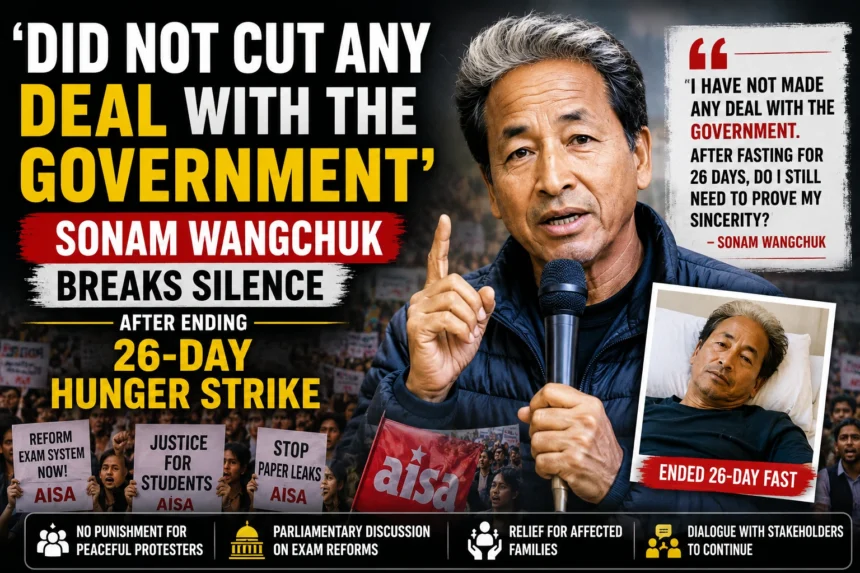
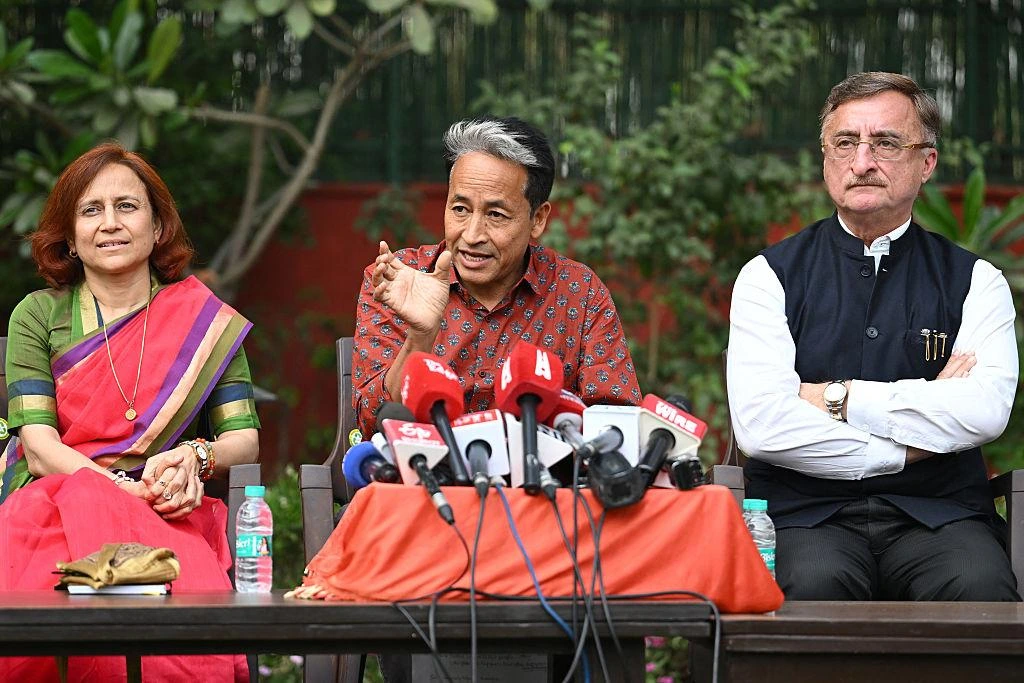
Renowned education reformer, environmental activist, and innovator Sonam Wangchuk has firmly rejected allegations that he ended his 26-day hunger strike after reaching a political deal with the Central Government. Addressing supporters through a detailed video message, Wangchuk clarified that no agreement or compromise was made with the government and that he ended his fast only after receiving written assurances regarding the concerns raised during the protest.
Wangchuk Rejects Allegations of a Political Deal
In a video message shared on social media, Wangchuk expressed disappointment over accusations suggesting that he had compromised with the government.
He stated:
“After fasting for 26 days, do I still need to prove my sincerity? I have not made any deal with the government.”
He emphasized that his movement was never driven by political ambitions but was focused on protecting students’ interests, improving India’s examination system, and ensuring accountability in education governance.
Why Did He End the Hunger Strike?
According to Wangchuk, his decision to end the hunger strike was based on receiving written commitments from the government rather than verbal assurances.
He explained that the assurances included:
- No punitive action against peaceful student protesters.
- Parliamentary discussion on examination reforms.
- Consideration of relief measures for families affected by examination-related tragedies.
- Continued dialogue on concerns raised during the protest.
He stressed that these commitments were documented in writing before he agreed to end his fast.
Fear of a Crackdown Influenced the Decision
Wangchuk revealed that he was concerned about the possibility of police action similar to previous crackdowns on peaceful protesters.
He said he wanted to prevent students from facing violence or unnecessary legal action and believed that ending the fast after obtaining written assurances was the most responsible course of action.
According to him, protecting students was more important than prolonging the hunger strike.
Was the Demand for the Education Minister’s Resignation Withdrawn?
Clarifying speculation surrounding his demands, Wangchuk said that his principal objective was not the resignation of Union Education Minister Dharmendra Pradhan, but ensuring justice for students and meaningful reforms in the examination system.
He maintained that accountability would naturally follow if transparent investigations and institutional reforms were implemented.
Background of the 26-Day Protest
Sonam Wangchuk began his hunger strike on June 28, highlighting growing concerns over India’s examination system.
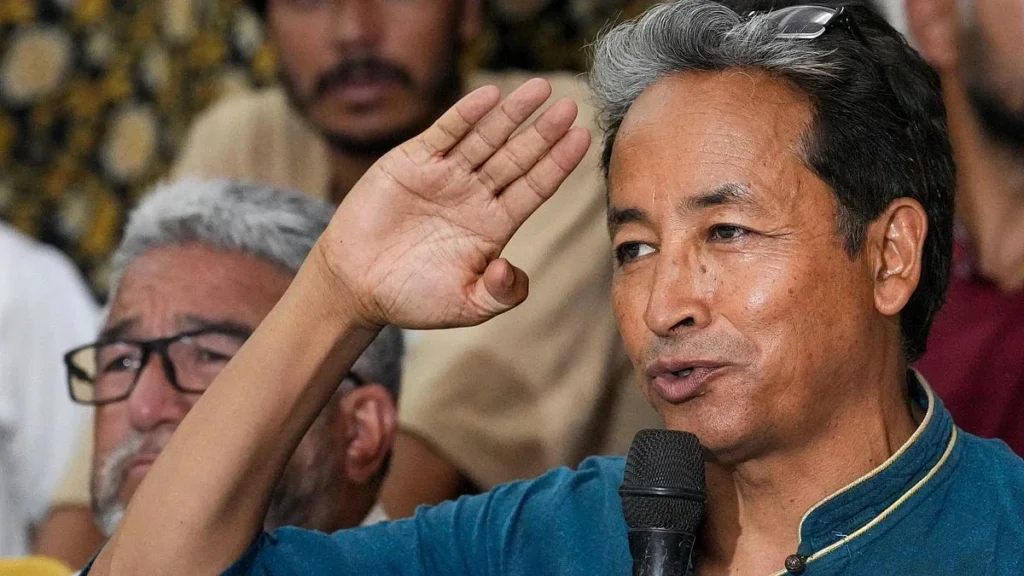
The movement demanded:
- Comprehensive examination reforms.
- Strong action against paper leak cases.
- Greater transparency in competitive examinations.
- Protection of peaceful student protesters.
- Accountability within educational institutions.
The protest received support from students, teachers, civil society groups, and several public figures across the country.
Government Dialogue and Written Assurance
Following several rounds of discussions, senior representatives of the Central Government reportedly met Wangchuk and presented a written assurance addressing key concerns.
According to reports, these discussions ultimately led to the conclusion of the hunger strike while keeping the broader reform agenda alive through continued dialogue.
Political Reactions
The end of the hunger strike triggered political debate.
Some opposition leaders alleged that Wangchuk had reached a compromise with the government, while leaders from the ruling alliance dismissed those allegations.
Responding to the controversy, Wangchuk reiterated that transparency was the reason he publicly shared the government’s written assurance, leaving no room for speculation.
Key Assurances Received
According to Wangchuk, the government’s written assurances include:
- No legal action against peaceful protesters.
- Discussion on examination reforms in Parliament.
- Consideration of relief measures for affected families.
- Continued engagement with stakeholders regarding education reforms.
He described these commitments as an important first step rather than the final resolution of the issues.
Is the Movement Over?
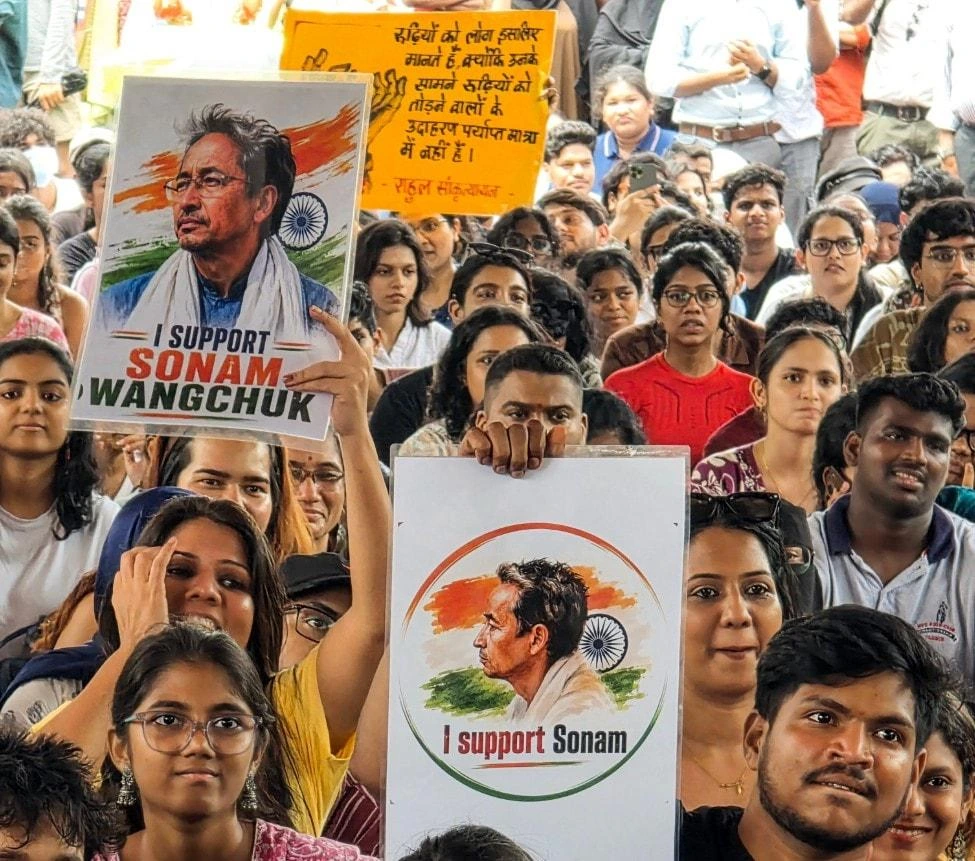
Wangchuk clarified that only the hunger strike has ended—not the movement itself.
He said that if the government fails to implement its written commitments, the campaign for educational reforms will continue through peaceful and democratic means.
He urged students to remain united, disciplined, and committed to constructive dialogue.
Nationwide Support
The movement attracted widespread support from students, educators, activists, and members of civil society across India.
Many observers believe the campaign has expanded beyond examination reforms and now represents broader concerns about transparency, accountability, and the protection of democratic rights in the education sector.
Expert Analysis
Political analysts believe Wangchuk’s clarification was essential because speculation surrounding a possible government deal risked overshadowing the movement’s original objectives.
Experts also note that making the written assurances public increases transparency while placing greater responsibility on the government to fulfill its commitments.
They argue that the success of the movement will ultimately be judged by the implementation of promised reforms rather than by the conclusion of the hunger strike itself.
What Happens Next?
Attention will now focus on several important developments:
- Implementation of the government’s written commitments.
- Parliamentary discussion on examination reforms.
- Decisions regarding cases filed against protesters.
- Progress toward improving transparency and accountability in India’s examination system.
The coming weeks are expected to determine whether the dialogue between the government and protest leaders leads to lasting institutional reforms.
Conclusion
Sonam Wangchuk has categorically denied entering into any political or personal deal with the Central Government, insisting that he ended his 26-day hunger strike only after receiving written assurances addressing the concerns of students and peaceful protesters. While the fast has concluded, Wangchuk has made it clear that the larger movement for education reform, examination transparency, and student rights will continue until meaningful changes are implemented. As public attention now shifts to the government’s next steps, the fulfilment of these written commitments will determine the long-term impact of one of India’s most closely watched civic movements.
Also Read:- Jantar Mantar Protest Update: Sonam Wangchuk Ends 26-Day Hunger Strike; CJP Founder Abhijeet Dipke Vows Protest Will Continue Until Dharmendra Pradhan Resigns