

India Condemns Attacks on Commercial Vessels; Jaishankar Tells Ukraine’s Sybiha Indian Seafarers’ Safety Is ‘Absolutely Unacceptable’
By PaperPatrika World Affairs Desk
India has issued one of its strongest diplomatic messages on maritime security in recent months, with External Affairs Minister Dr. S. Jaishankar telling Ukrainian Foreign Minister Andrii Sybiha that attacks on commercial vessels and the endangerment of Indian seafarers are “absolutely unacceptable.” The remarks came during a telephone conversation between the two ministers amid growing concern over repeated attacks on merchant ships operating in the Black Sea region, where several Indian crew members have recently been killed or injured. (The Economic Times)
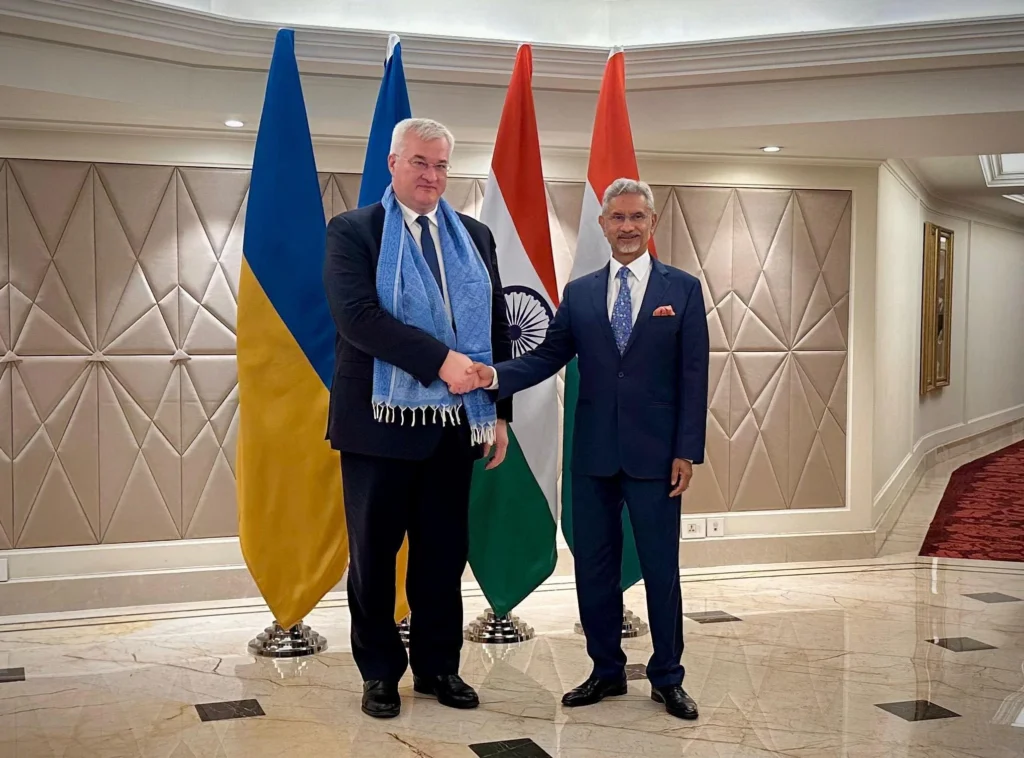
The conversation reflects New Delhi’s increasing determination to protect Indian nationals working aboard international merchant vessels while reinforcing its long-standing position that civilian shipping must never become a target in armed conflicts. India has consistently maintained that freedom of navigation and the safety of commercial maritime routes are essential for global trade, energy security, and international stability.
Jaishankar’s Strong Message
Following his discussion with Ukrainian Foreign Minister Andrii Sybiha, Jaishankar stated that attacks on commercial vessels and Indian seafarers, regardless of who carries them out, are completely unacceptable.
He emphasized that:
- India unequivocally condemns attacks on commercial shipping.
- The safety of Indian seafarers is a top priority.
- Civilian merchant vessels should never be targeted.
- Maritime trade routes must remain secure and open under international law. (The Economic Times)
The statement is among India’s clearest diplomatic interventions since maritime attacks intensified around the Black Sea and other conflict zones.
Background: Rising Risks in the Black Sea
The latest diplomatic exchange follows several deadly incidents involving merchant vessels operating near Ukraine.
In recent weeks:
- Multiple commercial ships have come under missile or drone attacks.
- Several Indian seafarers have been killed while serving aboard international cargo vessels.
- Other Indian crew members have suffered injuries.
- Merchant shipping companies have expressed growing concern over the safety of civilian crews.
These incidents have transformed maritime security into a significant foreign policy issue for India because the country supplies one of the world’s largest merchant seafaring workforces. (The Economic Times)
India’s Diplomatic Response
Before Jaishankar’s conversation with Sybiha, India had already taken several diplomatic steps.
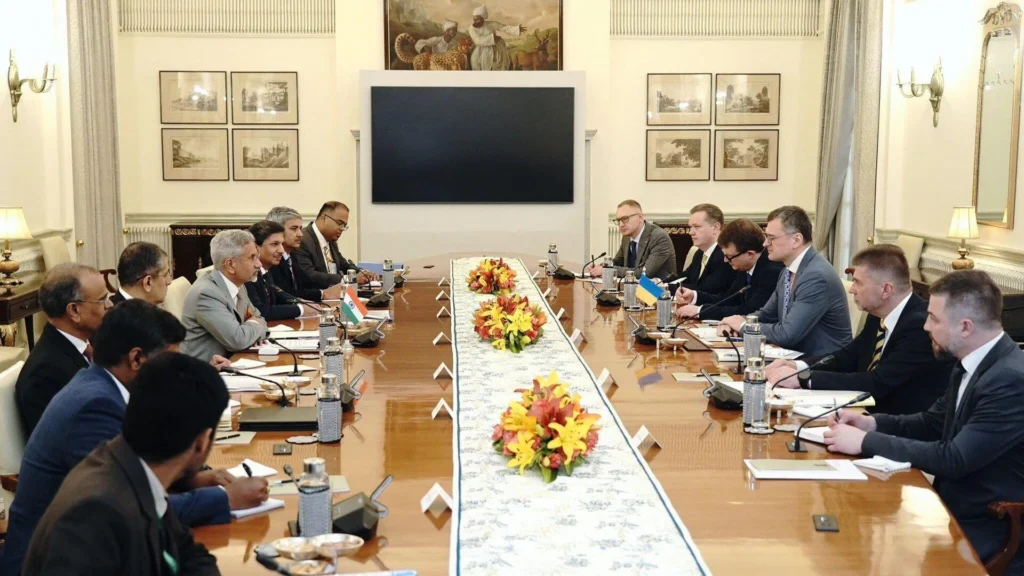
The Ministry of External Affairs:
- Summoned Ukraine’s Ambassador to New Delhi.
- Expressed serious concern regarding attacks on merchant vessels.
- Condemned attacks targeting civilian shipping.
- Requested accountability and enhanced protection for Indian nationals.
India stressed that attacks affecting commercial shipping undermine international maritime safety and violate the principles governing peaceful navigation. (The Economic Times)
Ukraine Seeks Continued Engagement
According to reports, Ukraine used the conversation to discuss the deteriorating maritime security situation and broader peace efforts.
Kyiv has sought India’s continued engagement as an influential global voice that can encourage dialogue and support diplomatic initiatives to reduce tensions.
India, while maintaining its independent foreign policy, reiterated that civilian lives and commercial navigation must remain protected irrespective of the conflict’s political dimensions. (The Times of India)
Why Indian Seafarers Matter
India is one of the world’s largest suppliers of merchant marine professionals.
More than 300,000 Indian seafarers serve aboard international cargo ships, oil tankers, container vessels, and bulk carriers across global shipping routes.
Their work is essential to international trade because nearly 90% of global merchandise trade by volume is transported by sea.
Any disruption to maritime security directly affects:
- Indian workers.
- Global supply chains.
- Food security.
- Energy transportation.
- International commerce. (Reuters)
Freedom of Navigation
India has repeatedly emphasized that freedom of navigation is a fundamental principle of international law.
Whether in the Black Sea, the Strait of Hormuz, or the Indo-Pacific, New Delhi has consistently argued that:
- Commercial shipping must remain free from military attacks.
- Merchant crews should never become collateral victims.
- International waterways should remain open.
- Maritime disputes should be resolved diplomatically.
Jaishankar has echoed these principles in several recent international forums, including the East Asia Summit and discussions at the United Nations. (The Times of India)
Growing Maritime Security Concerns
The latest developments illustrate how regional conflicts are increasingly affecting civilian maritime transportation.
Shipping companies are facing:
- Higher insurance costs.
- Route diversions.
- Longer delivery times.
- Increased security expenditure.
- Elevated risks for multinational crews.
For countries such as India, whose citizens serve on thousands of commercial vessels worldwide, protecting seafarers has become an increasingly important diplomatic priority.
Government Advisory for Indian Seafarers
In response to the deteriorating security environment, the Ministry of External Affairs has advised Indian seafarers to carefully assess risks before accepting assignments on vessels operating in high-risk conflict zones, particularly in the Black Sea.
Authorities have urged crew members and shipping companies to verify security arrangements before deployment and remain alert to official travel and maritime advisories. (The Economic Times)
India’s Balanced Foreign Policy
India has continued to maintain a carefully balanced position on the Russia-Ukraine conflict.
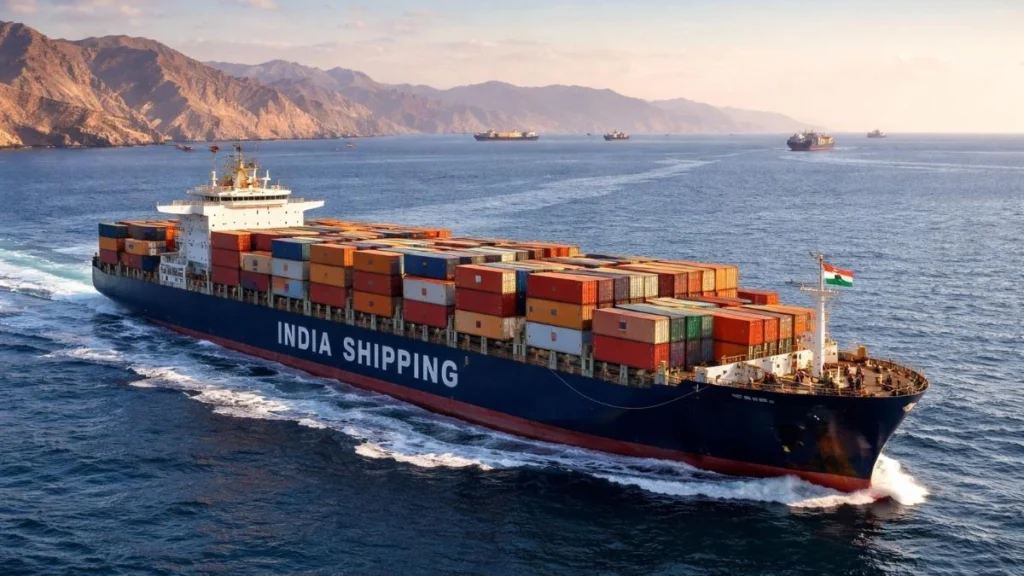
Rather than aligning with either side, New Delhi has consistently called for:
- Immediate cessation of violence.
- Respect for international law.
- Protection of civilians.
- Diplomatic dialogue.
- Peaceful resolution of disputes.
At the same time, India has made it clear that attacks on civilian infrastructure, commercial shipping, or Indian nationals cannot be ignored.
International Implications
The attacks on merchant vessels have consequences that extend beyond the immediate conflict.
Disruptions to commercial shipping can influence:
- Global food exports.
- Energy supplies.
- Commodity prices.
- International insurance markets.
- Inflation across developing economies.
The Black Sea remains one of the world’s most strategically important maritime regions for grain exports and international shipping.
Looking Ahead
The telephone conversation between Jaishankar and Sybiha signals India’s intention to remain actively engaged on issues affecting maritime security while protecting its nationals working overseas.
Diplomatic observers expect India to continue pressing all parties involved in the conflict to respect international humanitarian law and ensure that merchant vessels and civilian crews remain outside the scope of military operations.
India is also likely to maintain close coordination with shipping companies, foreign governments, and international maritime organizations to safeguard Indian seafarers.
Conclusion
Jaishankar’s firm message to Ukraine’s Foreign Minister underscores India’s growing concern over repeated attacks on commercial vessels and the safety of Indian seafarers. By declaring such attacks “absolutely unacceptable,” New Delhi has reinforced its commitment to protecting civilian shipping and defending the principles of freedom of navigation under international law.
As conflicts continue to threaten global maritime routes, India’s diplomatic efforts are increasingly focused on ensuring that innocent merchant crews are protected from violence. With hundreds of thousands of Indian seafarers contributing to international trade, safeguarding their lives remains both a humanitarian responsibility and a national priority.
Also Read: –
Iran Says Progress in Oman Talks on Hormuz Strait Management
West Asia War: U.S. Strikes Iran for 10th Consecutive Night as Tehran Targets Tanker in the Strait of Hormuz