

New Delhi | July 21, 2026 | 10:30 AM IST | PaperPatrika Bureau
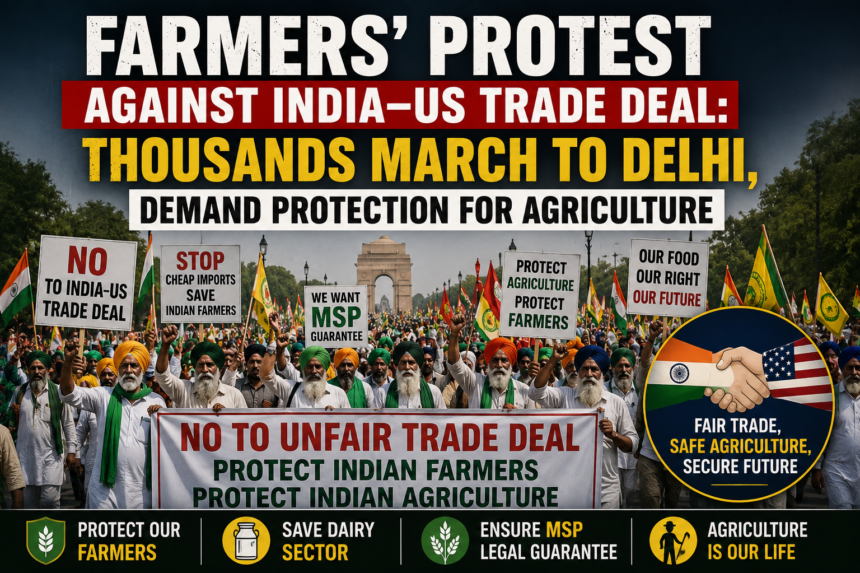
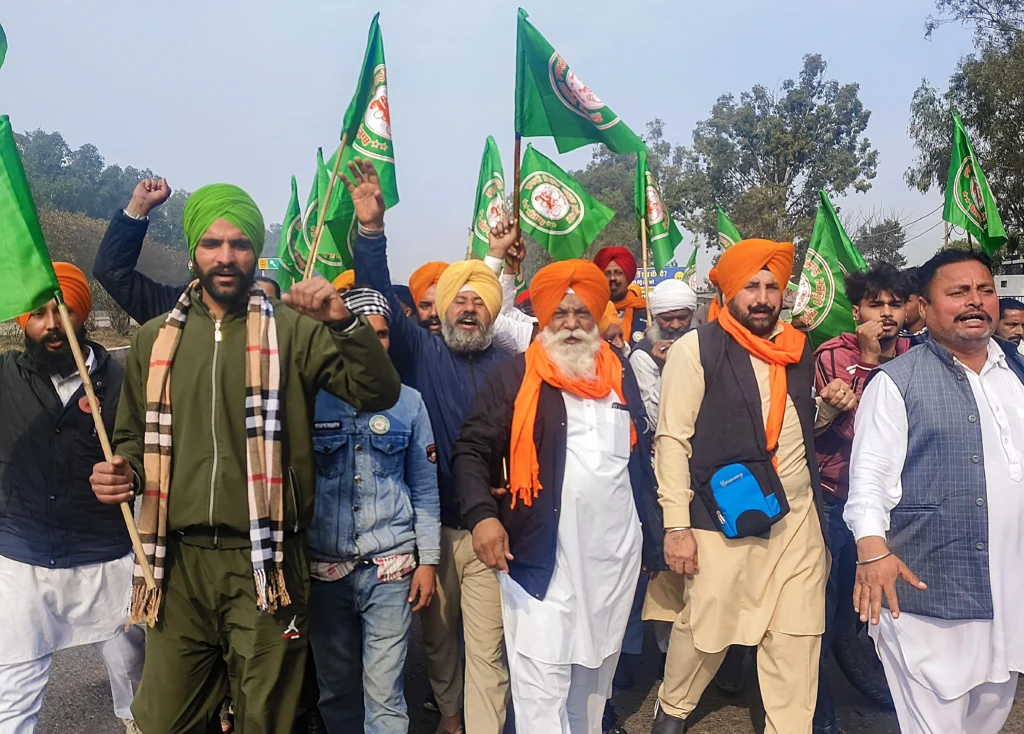
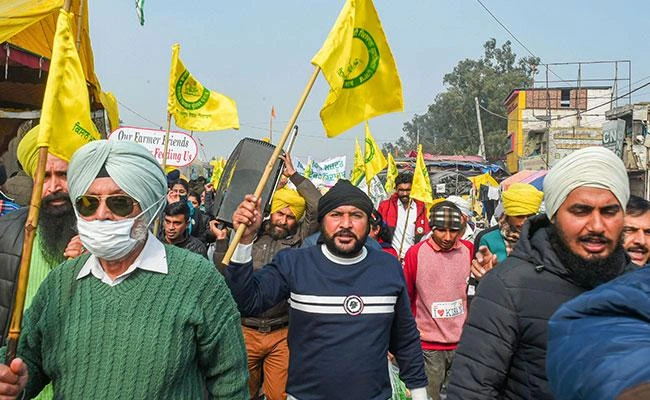
Thousands of farmers from Punjab, Haryana, Uttar Pradesh, Rajasthan and several other states gathered near the Delhi borders on Monday, July 21, 2026, demanding greater transparency in the proposed India–United States Bilateral Trade Agreement (BTA). Farmers’ unions claim that the agreement, if finalized without adequate safeguards, could adversely affect India’s agriculture sector, particularly dairy, wheat, rice, pulses and edible oils.
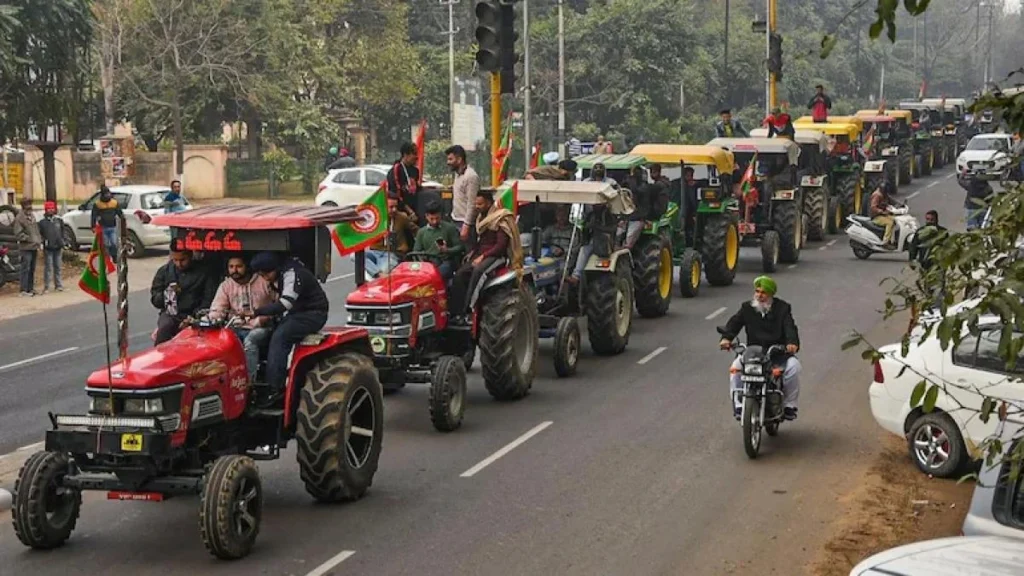
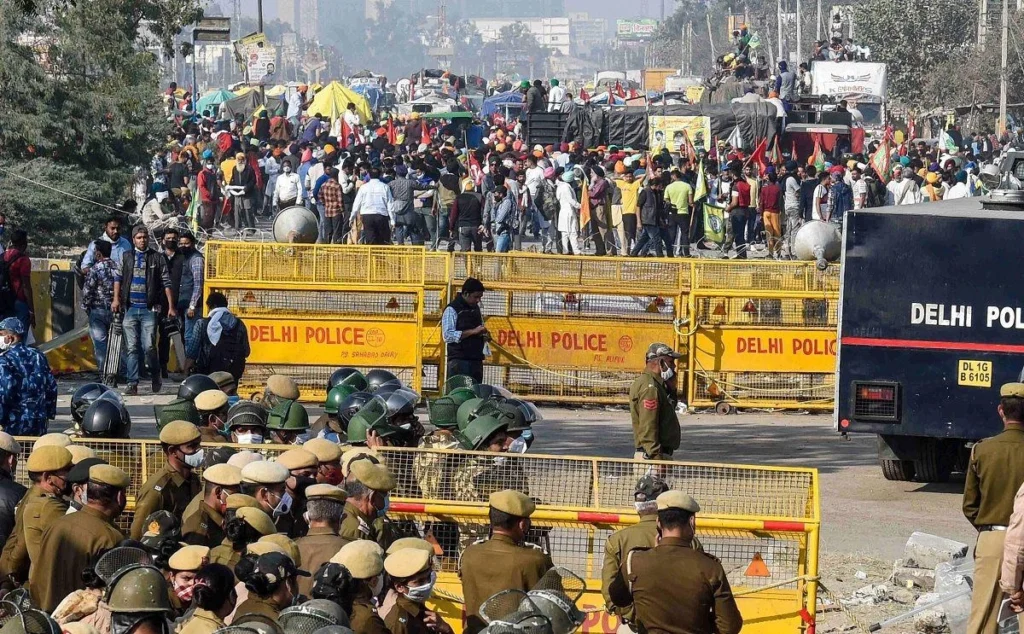
The protest witnessed farmers travelling in tractor-trolleys, buses and private vehicles while security forces deployed additional personnel at Delhi’s Singhu, Tikri and Ghazipur borders to maintain law and order. Authorities erected multiple barricades and diverted traffic in anticipation of large gatherings.
According to farmer organizations, the movement is not against international trade itself but against the possibility of opening India’s agricultural market to cheaper imports without protecting domestic producers.
Why Are Farmers Protesting?
The central issue revolves around the ongoing negotiations for the proposed India–US Bilateral Trade Agreement (BTA).
Farmers fear that reducing import duties on agricultural commodities could expose Indian farmers to intense competition from heavily subsidized American agricultural products.
Several farmer leaders argue that India’s farming sector is fundamentally different from that of developed countries because the majority of Indian farmers own less than two hectares of land.
They believe unrestricted imports could significantly reduce domestic crop prices and hurt rural incomes.
Farmers’ Major Demands
Farmer organizations have submitted a charter of demands including:
- No reduction in import duties on agricultural products.
- Complete protection for India’s dairy sector.
- Safeguards for wheat, rice, maize and pulses.
- MSP (Minimum Support Price) guarantee through legislation.
- Consultation with farmer organizations before signing the agreement.
- Protection of small and marginal farmers.
Union leaders say that trade negotiations should prioritize food security and farmers’ livelihoods.
Security Arrangements in Delhi
Delhi Police implemented extensive security measures ahead of the protest.
Security Highlights
- Additional police deployment at Delhi borders.
- Multi-layer barricading at Singhu, Tikri and Ghazipur.
- Drone surveillance in sensitive areas.
- Traffic diversions on major highways.
- Rapid Action Force teams kept on standby.
Authorities appealed to protesters to maintain peace while exercising their democratic right to protest.
Government’s Position
The Union Government has maintained that trade negotiations are still ongoing and that India’s national interests remain the highest priority.
Officials have repeatedly stated that no final agreement has been signed and that sensitive sectors such as agriculture will receive appropriate protection during negotiations.
Government representatives also emphasized that free trade agreements are intended to expand exports, attract investments and create employment opportunities.
Why Is the India–US Trade Deal Important?
India and the United States are among each other’s largest trading partners.
A comprehensive trade agreement could:
- Increase bilateral trade.
- Improve market access.
- Reduce tariffs on selected products.
- Encourage investments.
- Strengthen strategic economic cooperation.
However, agriculture remains one of the most sensitive negotiation areas.
Why Are Dairy Farmers Worried?
India is the world’s largest milk producer.
Unlike the United States, India’s dairy sector is dominated by millions of small farmers who own only a few cattle.
Farmer unions fear that increased dairy product imports could negatively affect domestic milk prices and cooperative societies.
Experts’ Opinion
Trade experts believe that both countries are attempting to strike a balance between economic liberalization and protection of sensitive sectors.
Economists suggest that carefully negotiated safeguards can minimize risks while allowing India to benefit from expanded exports in manufacturing, technology and services.
Agricultural economists argue that any tariff reductions should be gradual and accompanied by adequate support mechanisms for farmers.
Political Reactions
Opposition parties criticized the government for allegedly not consulting farmer organizations before advancing trade talks.
Several opposition leaders demanded that Parliament debate the proposed agreement before it is finalized.
The ruling coalition responded by stating that negotiations are confidential until agreements are concluded and assured that no decision would harm Indian agriculture.
Timeline of Events
July 2026
Trade negotiations between India and the United States intensified.
July 18–20
Farmer unions announced a nationwide march towards Delhi.
July 21 | 6:00 AM
Farmers began arriving at Delhi borders.
July 21 | 9:00 AM
Police increased security deployment.
July 21 | 10:30 AM
Large demonstrations started near Delhi.
July 21 | Afternoon
Farmer leaders submitted their memorandum to government representatives.
Economic Significance
Agriculture contributes significantly to India’s economy and supports millions of households.
Any trade agreement affecting agricultural imports, therefore, has implications beyond commerce, influencing rural livelihoods, food security, and inflation.
The government is expected to weigh these factors carefully during negotiations.
What Happens Next?
Government officials are likely to continue discussions with farmer organizations while trade negotiations with the United States progress.
If consensus is not reached, farmer unions have indicated that additional demonstrations could be organized in the coming weeks.
Any finalized agreement will likely undergo detailed scrutiny because of its potential impact on India’s agricultural economy.
Conclusion
The farmers’ protest against the proposed India–US Trade Agreement highlights the continuing tension between expanding international trade and protecting domestic agriculture. While the government views the agreement as an opportunity to deepen economic ties with the United States, farmer organizations insist that agricultural interests must not be compromised.
As negotiations continue, the challenge for policymakers will be to balance economic growth with the concerns of millions of Indian farmers whose livelihoods depend on a stable and protected agricultural sector.