

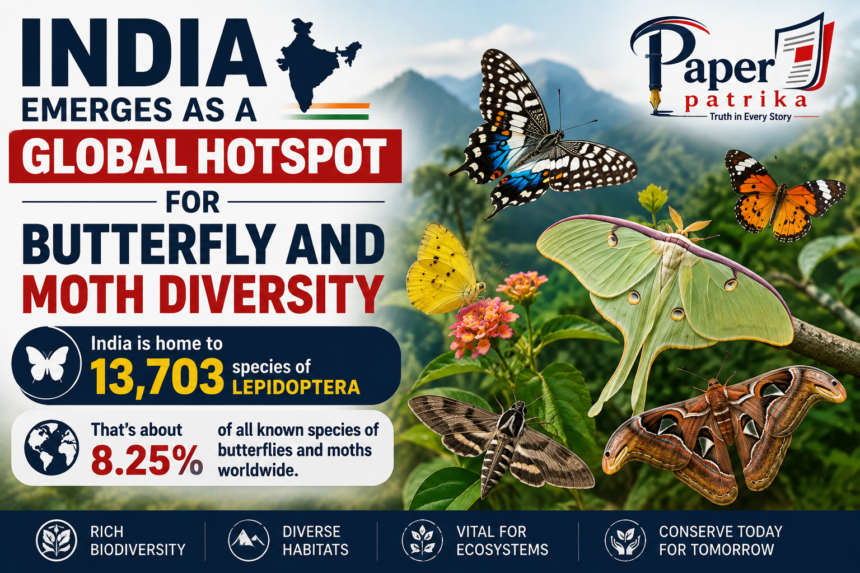
India Records 13,703 Butterfly and Moth Species…
By PaperPatrika | Environment & Wildlife | August 2026
India has reaffirmed its position as one of the world’s richest biodiversity hotspots, with scientists documenting 13,703 species of Lepidoptera—the insect order that includes butterflies and moths. This remarkable figure represents approximately 8.25% of all known butterfly and moth species globally, underscoring the country’s extraordinary ecological diversity and the importance of conserving its natural habitats.
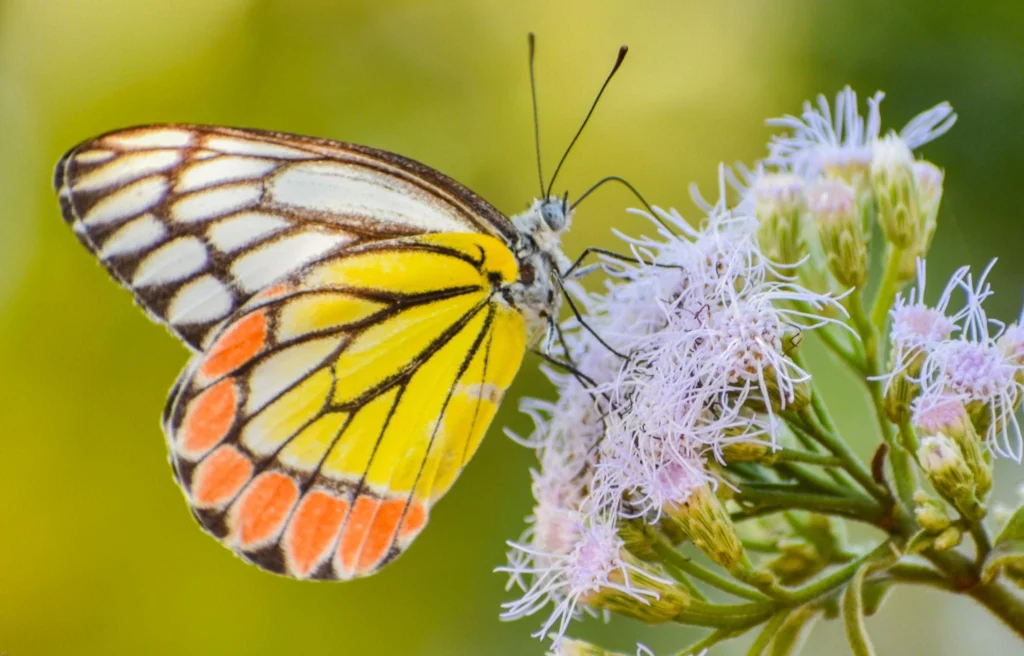
The latest assessment highlights India’s vast range of ecosystems, from the Himalayan alpine meadows and tropical rainforests of the Western Ghats to mangrove forests, deserts, grasslands, and island ecosystems. Together, these habitats provide ideal conditions for thousands of butterfly and moth species that play a vital role in pollination, food chains, and ecosystem health.
A Major Milestone in Biodiversity Research
The updated species count reflects decades of taxonomic research, field surveys, museum collections, and contributions from professional scientists as well as citizen-science initiatives.
Lepidoptera are among the most studied insect groups because they are considered sensitive indicators of environmental change. Their abundance, distribution, and seasonal movements often provide valuable insights into the health of forests, wetlands, and agricultural landscapes, as well as climate patterns.
Researchers say that maintaining an updated national inventory is essential for biodiversity conservation, scientific research, and environmental planning.
What Are Lepidoptera?
Lepidoptera is one of the largest insect orders in the world and includes:
- Butterflies, known for their colourful wings and daytime activity.
- Moths, which make up the vast majority of Lepidoptera species, are generally active in the evening or at night.
Both butterflies and moths undergo complete metamorphosis, passing through four distinct life stages:
- Egg
- Caterpillar (Larva)
- Pupa (Chrysalis or Cocoon)
- Adult
Their ecological importance extends far beyond their visual appeal.
Why Butterflies and Moths Matter
Scientists consider butterflies and moths essential components of healthy ecosystems.
Their major ecological roles include:
Pollination
Many flowering plants depend on butterflies and moths for pollination, helping maintain biodiversity and agricultural productivity.
Food Web Support
Birds, reptiles, amphibians, bats, spiders, and other insects rely on caterpillars and adult moths as important food sources.
Environmental Indicators
Because Lepidoptera respond quickly to habitat degradation and climate change, they are widely used as bioindicators to assess ecosystem health.
Scientific Research
Their diversity provides valuable information for ecology, genetics, evolution, and conservation biology.
Why India Supports Such High Diversity
India’s extraordinary butterfly and moth diversity is closely linked to its unique geography and climate.
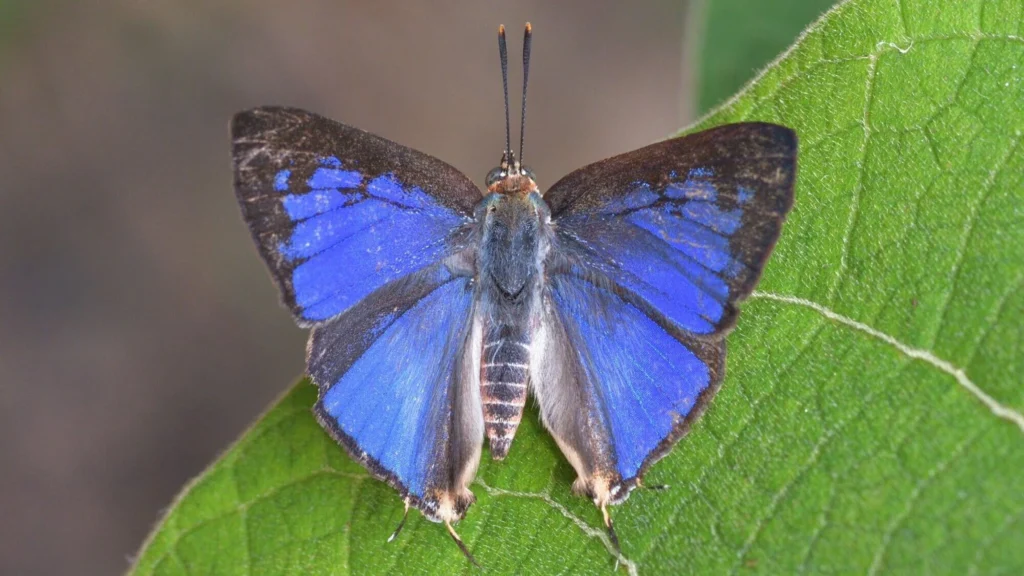
Major biodiversity-rich regions include:
- Western Ghats
- Eastern Himalayas
- Northeast India
- Andaman and Nicobar Islands
- Sundarbans Mangroves
- Central Indian Forests
- Western Desert Ecosystems
The combination of tropical, subtropical, temperate, alpine, and coastal habitats allows thousands of species to thrive.
Many species found in India are endemic, meaning they occur nowhere else in the world.
Growing Importance of Citizen Science
Modern biodiversity research increasingly benefits from public participation.
Nature enthusiasts, photographers, birdwatchers, students, and wildlife volunteers regularly upload butterfly and moth observations through digital biodiversity platforms, helping scientists map species distributions and identify new records.
Citizen science has become an important tool for monitoring seasonal migrations, habitat changes, and emerging conservation challenges.
Conservation Challenges
Despite India’s impressive biodiversity, butterflies and moths face growing threats.
Major challenges include:
- Habitat destruction
- Deforestation
- Urban expansion
- Climate change
- Pesticide use
- Light pollution
- Invasive plant species
These pressures can reduce breeding habitats, disrupt migration patterns, and threaten rare species.
Conservationists emphasize that protecting forests, wetlands, grasslands, and native vegetation is essential for safeguarding Lepidoptera diversity.
Government and Conservation Efforts
India has strengthened biodiversity conservation through protected areas, wildlife sanctuaries, biosphere reserves, national parks, and community conservation initiatives.
Research institutions, universities, zoological surveys, and environmental organizations continue conducting:
- Species documentation
- Habitat restoration
- Ecological monitoring
- Climate impact assessments
- Public awareness campaigns
Educational programmes encouraging butterfly gardens and native plant restoration are also gaining popularity across schools and urban communities.
Importance for Agriculture
Beyond their ecological significance, butterflies and moths also influence agriculture.
While some caterpillar species can become crop pests, many adult insects contribute to pollination and help maintain healthy ecosystems that support sustainable farming.
Scientists stress that balanced ecosystem management is more effective than excessive pesticide use, which may unintentionally harm beneficial insect populations.
Climate Change and Future Research
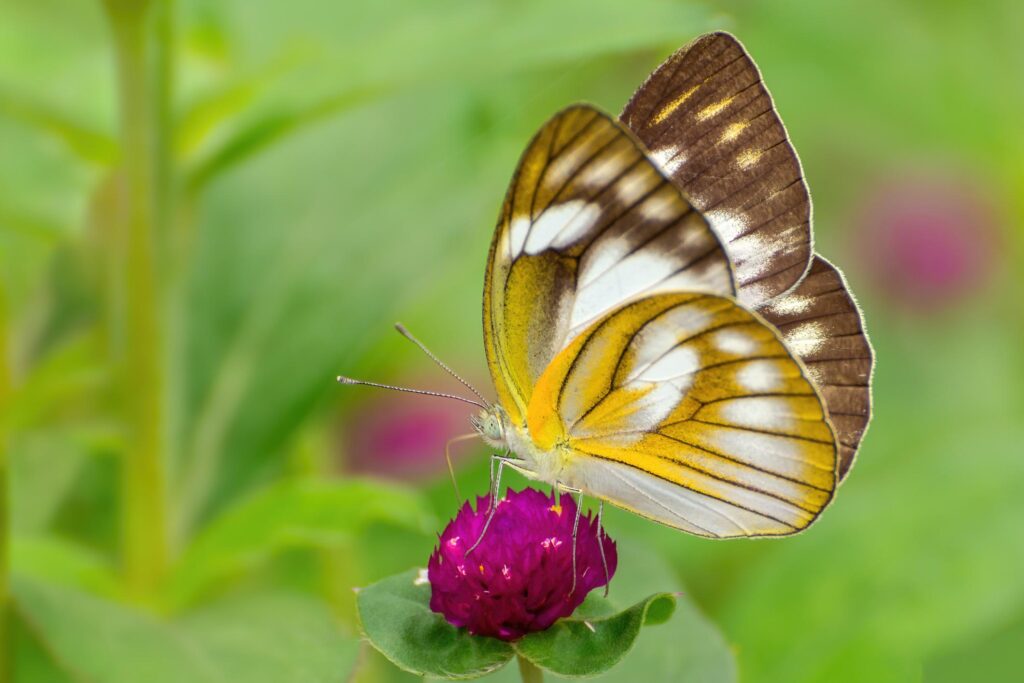
Climate change is expected to alter the distribution and seasonal behaviour of many butterfly and moth species.
Researchers are monitoring:
- Shifts in flowering seasons
- Changes in migration patterns
- Habitat fragmentation
- Rising temperatures
- Extreme weather events
Long-term biodiversity monitoring will help policymakers develop more effective conservation strategies while improving understanding of ecological responses to climate change.
Looking Ahead
The documentation of 13,703 Lepidoptera species, representing around 8.25% of the world’s known butterflies and moths, highlights India’s remarkable natural heritage and its global responsibility in biodiversity conservation.
As development and climate pressures continue to reshape landscapes, protecting habitats for butterflies and moths will become increasingly important—not only for preserving wildlife but also for maintaining healthy ecosystems, agricultural productivity, and ecological resilience.
The latest findings serve as a reminder that India’s forests, mountains, wetlands, grasslands, and coastal ecosystems remain among the most biologically diverse regions on Earth. Continued scientific research, stronger conservation policies, and public participation will be essential to ensure that this extraordinary natural wealth is preserved for future generations.
Also Read: – 60 Years After Disappearing from Gir, Indian Grey Hornbills Breed for Fourth Consecutive Year in Major Conservation Success
Keibul Lamjao National Park: A Floating Paradise Found Only in India