

Munich, Germany | Special Report
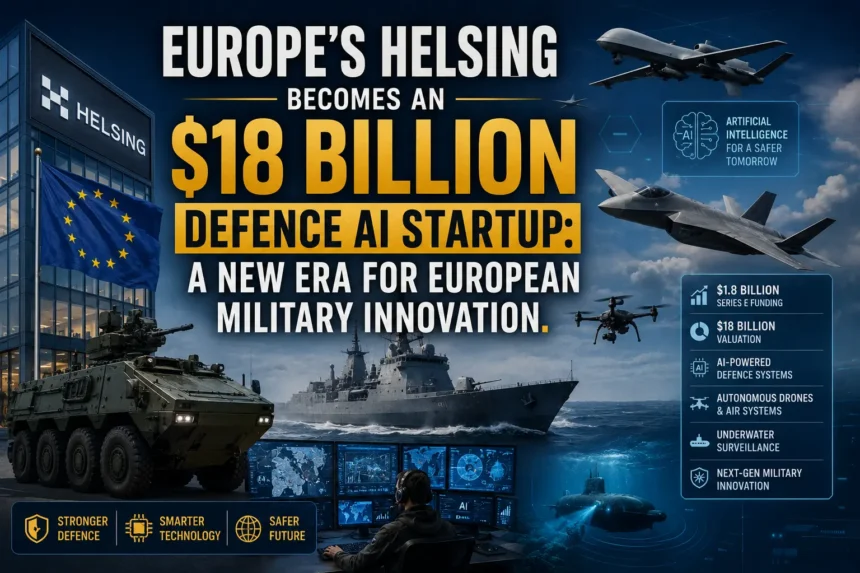
European defence technology startup Helsing has become one of the world’s most valuable defence AI companies after raising $1.8 billion in a Series E funding round, taking its valuation to $18 billion. The Munich-based company has rapidly emerged as Europe’s leading defence technology startup, reflecting the growing importance of artificial intelligence, autonomous systems, and advanced military software in modern warfare.
The latest investment is one of the largest funding rounds ever secured by a European defence technology startup. It highlights a major shift in venture capital investment, with investors increasingly backing companies developing AI-powered defence solutions instead of traditional software businesses.
The funding round attracted several globally recognized investors, including Lightspeed Venture Partners, General Catalyst, Dragoneer Investment Group, Goldman Sachs, JPMorgan, Iconiq Capital, Disruptive, and CPP Investments. Their participation demonstrates growing international confidence in Europe’s defence technology ecosystem.
What Is Helsing?
Founded in 2021, Helsing is a German defence technology company headquartered in Munich.
Unlike traditional defence manufacturers that primarily build tanks, missiles, or aircraft, Helsing develops AI-enabled software and autonomous systems designed to enhance the capabilities of existing military platforms.
Its mission is to provide advanced artificial intelligence that helps democratic nations improve battlefield awareness, decision-making, and operational efficiency.
Within just five years, Helsing has transformed from an AI software startup into one of Europe’s fastest-growing defence technology companies.
Why Is Helsing Worth $18 Billion?
The company’s valuation has increased dramatically because of several factors.
1. Artificial Intelligence
Helsing develops AI systems capable of analyzing massive amounts of battlefield data in real time.
Its software can process information collected from:
- Satellites
- Drones
- Military aircraft
- Ground sensors
- Naval surveillance systems
The AI rapidly identifies threats and assists commanders in making faster decisions.
2. Autonomous Drones
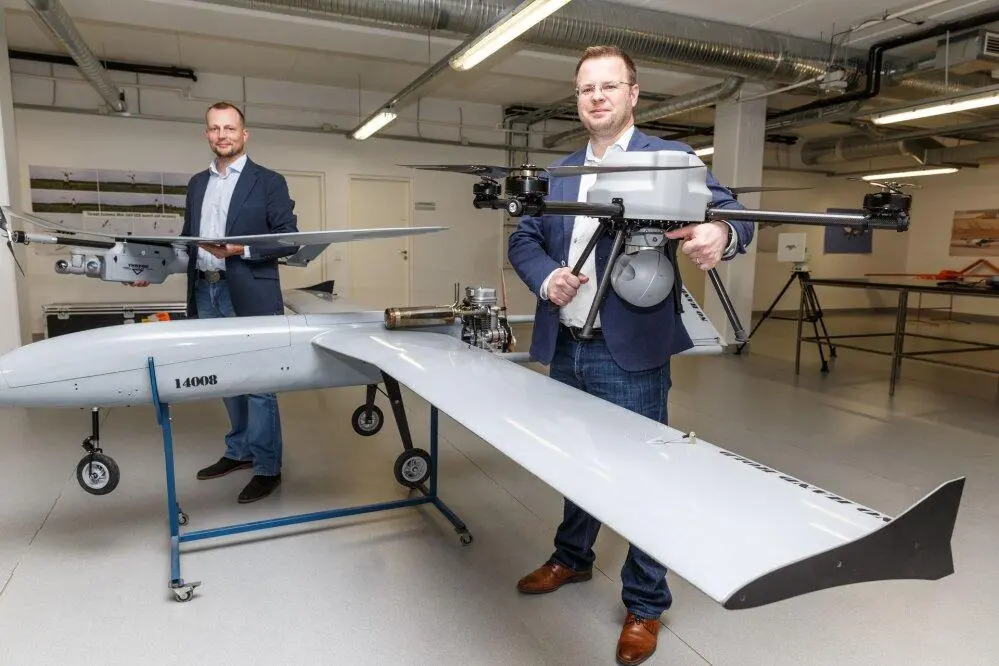
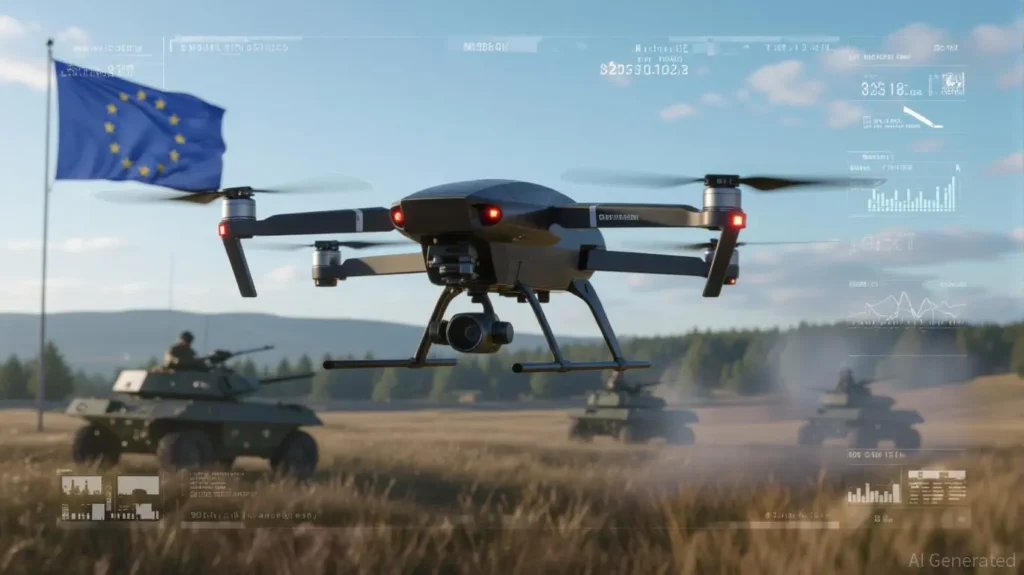
The company has expanded beyond software into autonomous military drones.
These systems can perform:
- Surveillance missions
- Target identification
- Intelligence gathering
- Reconnaissance
- Defensive operations
The increasing use of drones in modern conflicts has significantly boosted investor confidence in defence AI companies.
3. Underwater Surveillance
Helsing is also developing AI-powered underwater monitoring systems capable of detecting submarine activity and protecting critical maritime infrastructure.
These technologies are becoming increasingly important as governments seek to secure undersea communication cables, offshore energy installations, and naval routes.
4. Military Aircraft Applications
The company is working with defence partners to integrate AI into fighter aircraft and other military platforms.
These systems assist pilots by:
- Processing sensor data
- Identifying potential threats
- Improving situational awareness
- Supporting mission planning
Record-Breaking Investment Round
The latest Series E financing raised $1.8 billion, making Helsing Europe’s most heavily funded defence technology startup.
The funding follows another major investment trend across Europe’s defence sector.
Only days earlier, German drone manufacturer Quantum Systems also secured $1.2 billion in funding, demonstrating growing investor interest in European military innovation.
Why Investors Are Focusing on Defence AI
Global investment priorities have changed significantly in recent years.
Several factors are driving this shift:
- Geopolitical tensions
- Rising defence budgets
- Advances in artificial intelligence
- Growth of autonomous systems
- Cybersecurity threats
- Modern battlefield requirements
Following Russia’s invasion of Ukraine, European governments accelerated defence modernization, creating strong demand for AI-enabled military technologies.
Helsing’s Technologies
The company now operates across multiple defence domains.
Air
AI-powered drones, aircraft software, and battlefield intelligence.
Land
Command-and-control software for ground forces.
Sea
Autonomous underwater surveillance and naval monitoring.
Space
Satellite intelligence analysis.
Cyber
AI systems supporting cybersecurity and digital defence operations.
Support for Ukraine
One reason Helsing has attracted global attention is its involvement in supporting Ukraine.
According to reports, the company has supplied AI-enabled drones and defence technologies backed by German government funding.
The conflict has demonstrated the increasing importance of autonomous systems and battlefield AI in modern warfare.
Competing with Global Defence Giants
Although Helsing is only a few years old, it is increasingly competing with established defence companies.
Its AI-driven approach differs from that of traditional defence manufacturers, as the company focuses on software, automation, and intelligent systems rather than conventional heavy weapons.
Industry experts believe this software-first strategy allows faster innovation and deployment.
The Rise of Defence Startups
Helsing’s success reflects a broader transformation of the global defence industry.
Investors are increasingly funding startups specializing in:
- Artificial Intelligence
- Robotics
- Autonomous drones
- Cybersecurity
- Space technology
- Autonomous naval systems
According to recent industry data, venture capital investment in defence technology reached $12.3 billion during the first half of 2026, exceeding the total investment made throughout all of 2025.
Economic Impact
The investment is expected to accelerate Europe’s defence technology ecosystem.
Potential benefits include:
- High-skilled employment
- Research and development
- Manufacturing growth
- Export opportunities
- Increased technological independence
Governments also hope stronger domestic defence companies will reduce dependence on imported military technologies.
Challenges Ahead
Despite its remarkable growth, Helsing faces several challenges.
These include:
- Ethical concerns regarding military AI.
- International regulations governing autonomous weapons.
- Intense competition from American defence companies.
- Cybersecurity risks.
- Maintaining responsible AI development.
The company states that it follows strict ethical guidelines when designing AI-enabled defence technologies.
Europe’s Changing Defence Landscape
Europe is witnessing an unprecedented expansion of defence technology investment.
Countries including:
- Germany
- France
- United Kingdom
- Poland
- Sweden
are increasing spending on AI, drones, missile defence, and cybersecurity.
Startups like Helsing are expected to play a central role in Europe’s future security architecture.
What Comes Next?
Following the new funding round, Helsing plans to:
- Expand AI research.
- Increase drone production.
- Develop next-generation autonomous systems.
- Strengthen underwater surveillance capabilities.
- Hire additional engineers and AI specialists.
- Expand partnerships with European governments and defence manufacturers.
Why This Matters for the Global AI Industry
Helsing’s rapid rise demonstrates that artificial intelligence is no longer limited to consumer applications like chatbots and virtual assistants.
AI is becoming a core technology in:
- National security
- Defence
- Space exploration
- Cybersecurity
- Critical infrastructure
Experts believe defence AI will become one of the fastest-growing technology sectors over the next decade.
Conclusion
Helsing’s transformation into an $18 billion defence AI startup marks a historic milestone for Europe’s technology ecosystem. In just a few years, the Munich-based company has evolved from an AI software startup into one of the world’s leading defence technology firms, attracting record investment and securing partnerships with governments across Europe.
As geopolitical tensions continue to reshape global security priorities, artificial intelligence, autonomous drones, and intelligent military systems are expected to play an increasingly important role. Helsing’s latest funding round not only strengthens Europe’s technological sovereignty but also signals a new era in defence innovation where software, AI, and autonomous systems become as strategically important as traditional military hardware.