
Who Is Gen Z and Why Does It Matter in Indian Politics?
By PaperPatrika | Politics & Society | August 2026
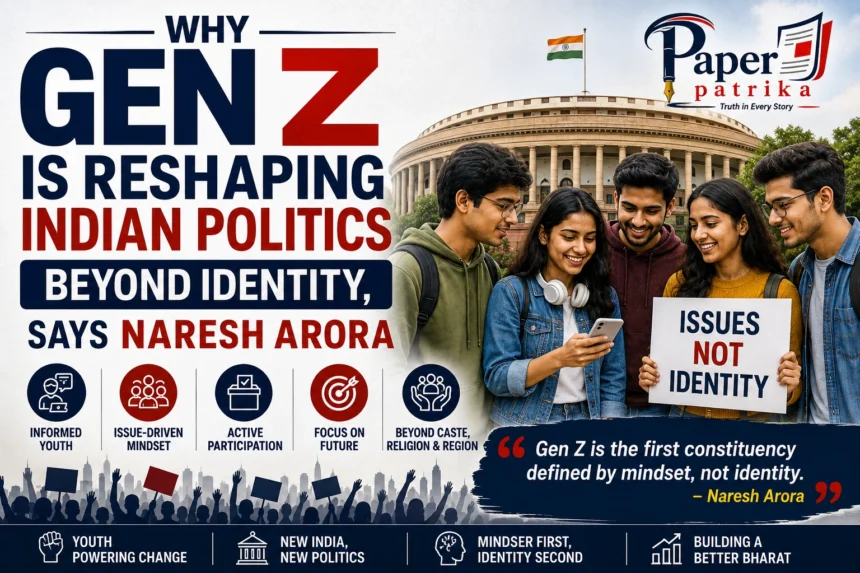
India’s Generation Z is emerging as a distinct political and social force, driven less by traditional identity markers such as caste, religion, language, or region and more by shared values, aspirations, and digital experiences. Speaking on the changing nature of Indian politics, political strategist Naresh Arora argued that Gen Z is the first constituency defined primarily by mindset rather than identity, highlighting a shift that could reshape election campaigns, public discourse, and governance in the coming years.
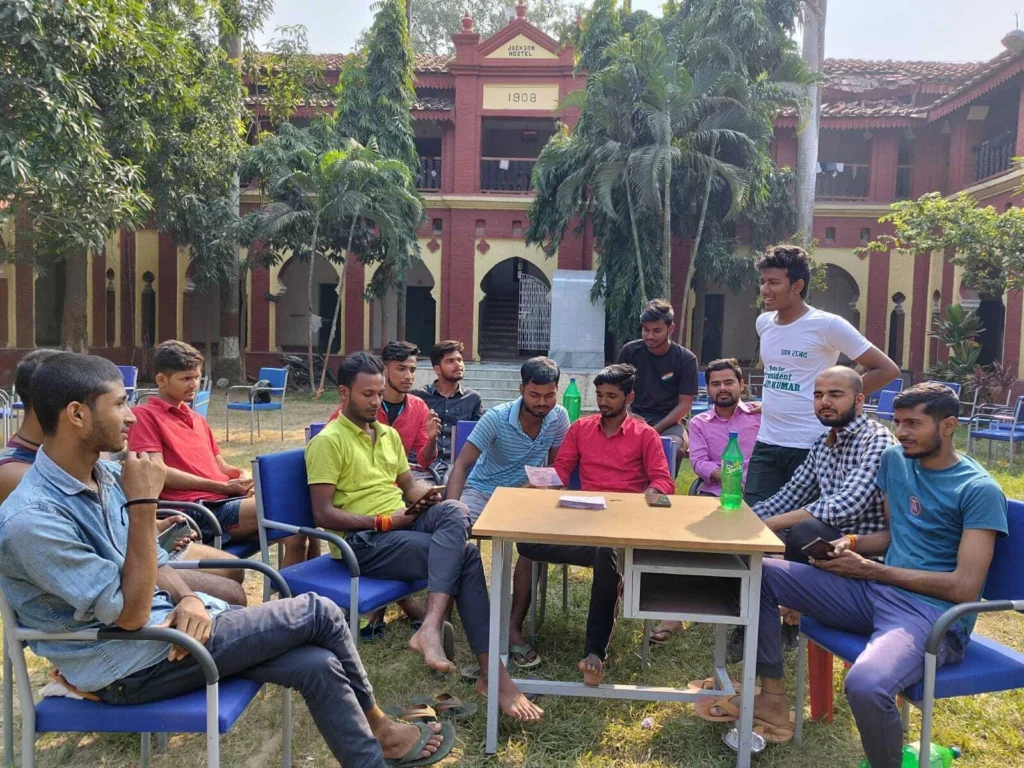
His remarks come at a time when political parties, policymakers, and businesses are increasingly trying to understand India’s youngest voters. With millions of first-time voters expected to participate in future elections, Gen Z is becoming one of the country’s most influential demographic groups. Recent political developments have also highlighted the growing visibility of issue-based participation among young Indians. (www.ndtv.com)
A New Kind of Political Constituency
For decades, Indian elections have largely revolved around factors such as caste alliances, regional identity, religion, and community representation. According to Arora, however, today’s young citizens are increasingly evaluating political choices through a different lens.
Rather than inherited loyalties, many Gen Z voters are influenced by issues including employment opportunities, quality education, entrepreneurship, climate change, digital rights, innovation, mental health, transparency, and governance.
This shift does not mean identity politics has disappeared, but it suggests that issue-based decision-making is becoming more significant among younger generations.
Who Belongs to Generation Z?
Generation Z generally includes people born between the late 1990s and early 2010s.
Unlike previous generations, Gen Z has grown up with:
- Smartphones
- High-speed internet
- Social media
- Digital payments
- Online education
- Artificial intelligence tools
- Instant access to information
These experiences have shaped a generation that is comfortable consuming information from multiple sources and engaging with public issues online.
Studies suggest Gen Z is expected to become India’s largest adult generation by the 2029 general election, making it an increasingly important electoral bloc. (www.ndtv.com)
Mindset Over Identity
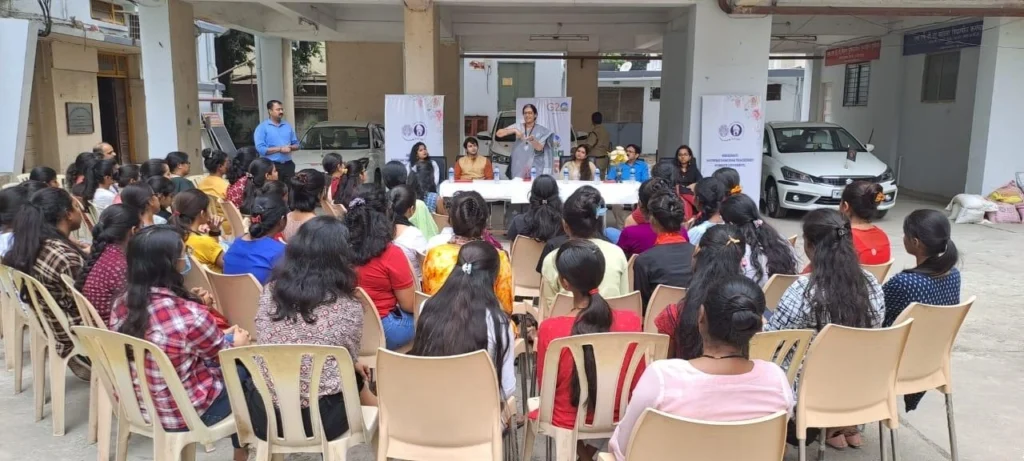
Naresh Arora’s central argument is that Gen Z is connected more by common aspirations than by traditional social categories.
Many young Indians share concerns such as:
- Better employment opportunities
- Affordable education
- Startup and entrepreneurship support
- Digital freedom
- Environmental sustainability
- Economic growth
- Quality public services
- Merit and equal opportunity
These issues often resonate across regional and social boundaries.
Political observers note that young voters are increasingly willing to support campaigns centred on governance, accountability, and practical solutions rather than historical political narratives alone. (Indian Express)
Digital Platforms Shape Public Opinion
Social media has transformed how young people receive political information.
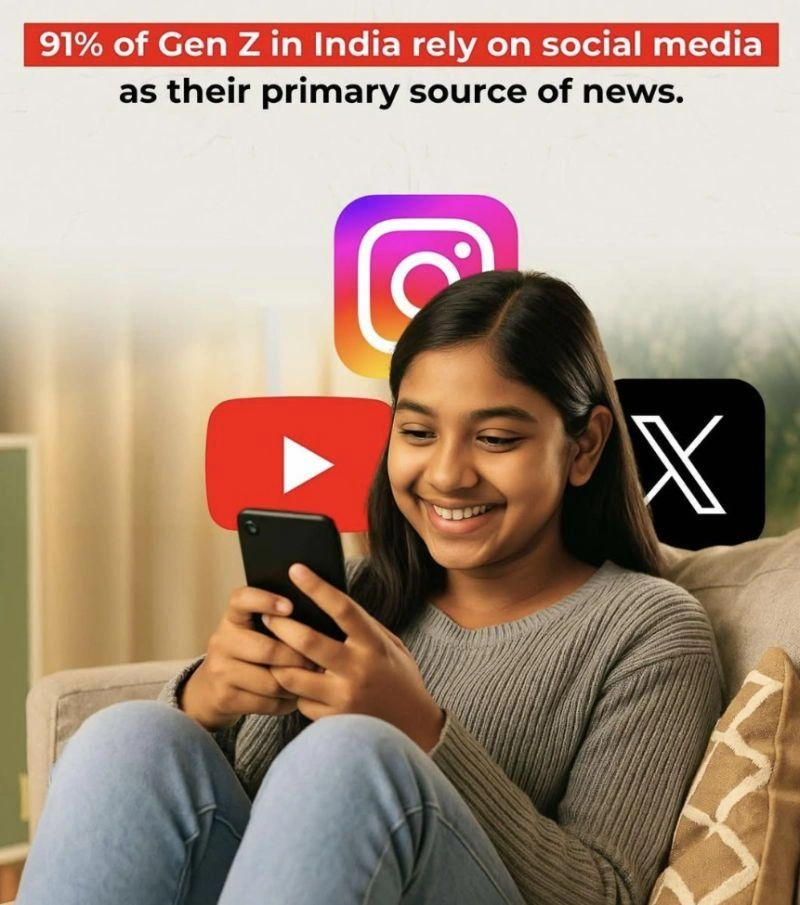
Instead of relying solely on television debates or newspapers, many Gen Z users consume news through:
- Short-form videos
- Podcasts
- Online creators
- Independent journalists
- Digital news platforms
- Community discussions
While this creates greater access to information, it also increases exposure to misinformation, making digital literacy increasingly important.
Political Parties Are Adapting
Recognising Gen Z’s growing influence, political parties across the spectrum have expanded their digital outreach.
Campaigns increasingly include:
- Instagram Reels
- YouTube Shorts
- Live online interactions
- AI-powered communication
- Digital volunteer networks
- Youth-focused manifestos
Analysts believe future elections may rely even more heavily on digital engagement than traditional rallies.
Recent political analysis indicates that major parties are refining their strategies to address concerns around education, employment, and youth participation. (Hindustan Times)
Beyond Politics
The “mindset-first” argument extends beyond elections.
Businesses, educational institutions, and employers are also adapting to Gen Z preferences.
This generation generally values:
- Flexible work environments
- Innovation
- Diversity
- Technology
- Sustainability
- Skill development
- Transparency
- Purpose-driven careers
Companies increasingly design products and services around these expectations.
Challenges Facing Gen Z
Despite their growing influence, young Indians continue to face significant challenges.
These include:
- Employment uncertainty
- Competitive examinations
- Rising education costs
- Mental health concerns
- Digital misinformation
- Economic inequality
- Housing affordability
Experts argue that addressing these issues will require coordinated efforts from governments, educational institutions, private industry, and civil society.
Experts Offer a Broader Perspective
Political scientists caution against treating Gen Z as a completely homogeneous group.
India remains an extremely diverse country, and voting behaviour continues to be shaped by local realities, economic conditions, family influence, and regional politics alongside digital engagement.
However, there is increasing evidence that younger voters are more willing to participate in issue-based debates and evaluate governments through policy outcomes rather than traditional political identities alone. (Indian Express)
Looking Ahead
Naresh Arora’s observation that Gen Z is the first constituency defined by mindset rather than identity reflects a broader discussion about how India’s political and social landscape is evolving.
Whether this transformation fundamentally changes electoral outcomes remains to be seen. However, one trend is becoming increasingly clear: India’s youngest generation expects governance that delivers opportunities, transparency, innovation, and measurable results.
As Gen Z grows in size and influence over the coming decade, political parties, policymakers, and institutions will likely place greater emphasis on issue-based engagement, digital communication, and youth-centric policies. Their priorities could play a decisive role in shaping India’s democratic future, economic development, and public policy in the years ahead.
Also Read: –
Amazon’s Jeff Bezos Pushes Prime Video Redesign Focused on AI: A New Era of Personalized Streaming Begins