

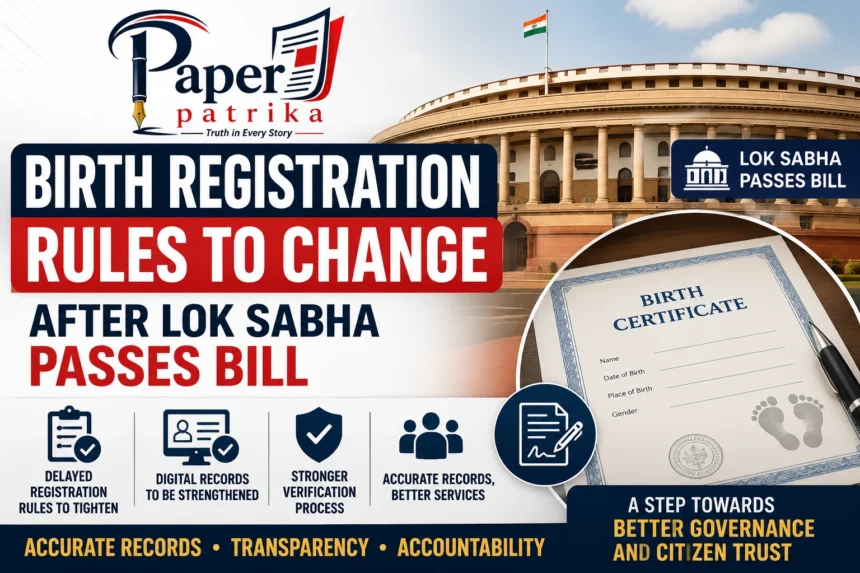
Births and Deaths (Amendment) Bill, 2026 Passed in Lok Sabha Amid Opposition Protests Over Police Crackdown.
By PaperPatrika National Affairs Desk
The Lok Sabha on 31 July 2026 passed the Registration of Births and Deaths (Amendment) Bill, 2026, a legislation aimed at tightening the legal framework for the delayed registration of births and deaths across India. The Bill was approved amid continuous protests by Opposition members over the alleged police crackdown on students during a July protest march, leading to disruptions and the passage of the legislation without a detailed debate. (The Economic Times)
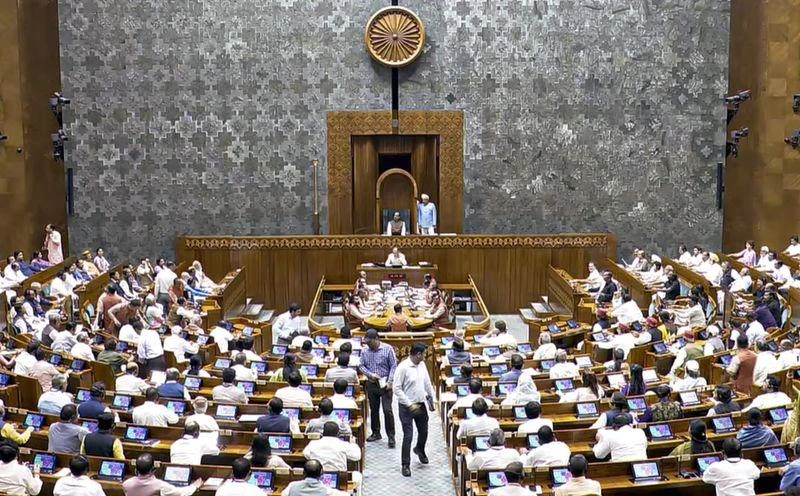
The development highlights the government’s effort to strengthen India’s civil registration system while also underscoring the political tensions that have dominated the ongoing Monsoon Session of Parliament.
Lok Sabha Passes the Amendment Bill
The Bill amends the Registration of Births and Deaths Act, 1969, with the primary objective of making the process of delayed registration more stringent and improving the integrity of India’s civil registration records.
The government argued that reliable birth and death records are essential for governance, welfare delivery, demographic planning, and digital public services. According to parliamentary business listings, the amendment specifically seeks to tighten provisions relating to delayed registration of births and deaths. (PRS Legislative Research)
The legislation was passed by a voice vote despite repeated interruptions from Opposition MPs.
Opposition Protests Dominate Proceedings
The passage of the Bill came during a turbulent parliamentary session.
Opposition parties continued demanding a statement from the government regarding the alleged police action against students during a protest march to Parliament earlier in July.
Members entered the Well of the House, raised slogans, and repeatedly interrupted proceedings. Because of the disruptions, legislative business continued with limited discussion before the Bill was passed. (The Economic Times)
Government ministers maintained that Parliament should continue its legislative responsibilities despite political disagreements.
Why the Amendment Matters
India has significantly improved civil registration over the past decade, with increasing digital integration through state registration systems and the Civil Registration System (CRS).
Accurate registration of births and deaths helps in:
- Issuing legal identity documents.
- School admissions.
- Passport applications.
- Property and inheritance matters.
- Pension settlements.
- Public health planning.
- Population statistics.
- Welfare scheme implementation.
The government believes stricter rules for delayed registration will reduce fraudulent entries and improve the authenticity of official records. (PRS Legislative Research)
Focus on Delayed Registration
One of the principal features of the Amendment Bill is making delayed registrations subject to stronger procedural safeguards.
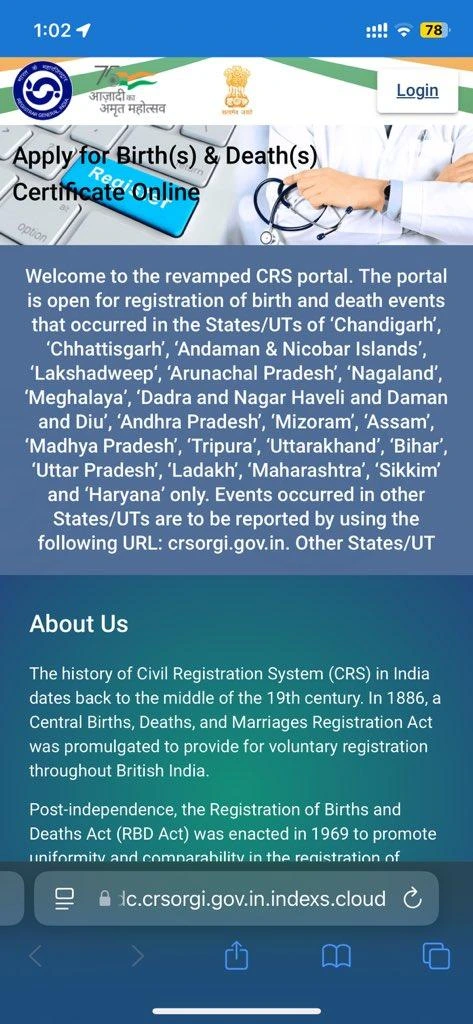
Delayed registrations often occur because of:
- Lack of awareness.
- Late reporting from remote areas.
- Administrative delays.
- Missing documentation.
- Legal disputes.
Officials argue that while genuine cases must continue receiving assistance, stricter verification is necessary to prevent misuse of the registration system.
Digital Governance Push
The amendment is also viewed as part of India’s broader digital governance strategy.
Reliable birth and death records support several national databases and help ensure efficient delivery of government services.
Digital civil registration enables:
- Faster issuance of certificates.
- Improved public health monitoring.
- Better demographic analysis.
- Reduced paperwork.
- Easier access to government benefits.
Experts say a stronger registration framework can improve administrative efficiency while enhancing data quality for policymaking.
Government’s Stand
The government defended the Bill as an administrative reform rather than a political measure.
According to ministers, the objective is to modernize civil registration while ensuring greater transparency and accuracy in maintaining official records.
Government representatives maintained that stronger safeguards are essential because birth and death certificates are foundational documents used throughout a person’s life.
Opposition’s Concerns
Although the Bill itself did not become the main subject of political confrontation, Opposition parties criticized the government’s decision to proceed with legislative business without addressing their demands regarding the alleged police crackdown on protesting students.
Opposition MPs argued that Parliament should first discuss the police action before considering legislative proposals.
Their continued protests led to repeated disruptions throughout the session. (The Economic Times)
Political Context
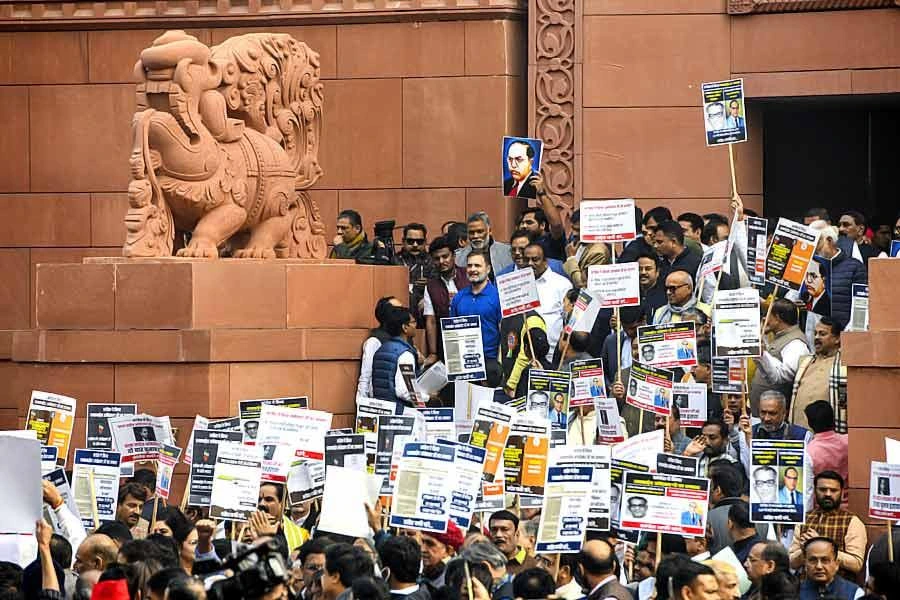
The Monsoon Session has witnessed repeated confrontations between the government and the Opposition over several issues, including student protests and policing.
Legislative work has continued amid these disruptions, with the government emphasizing that important Bills should not be delayed because of procedural deadlock.
The passage of the Births and Deaths Amendment Bill reflects the government’s determination to continue its legislative agenda despite ongoing political disagreements.
Importance for Citizens
For ordinary citizens, birth and death certificates remain among the most important legal documents.
They are required for:
- Aadhaar and identity verification.
- Educational admissions.
- Government employment.
- Passport issuance.
- Banking services.
- Insurance claims.
- Pension benefits.
- Legal succession.
A more robust registration framework could improve document reliability while reducing opportunities for fraudulent registrations.
Administrative Benefits
Experts believe stronger registration rules may help governments by:
- Improving census-related data.
- Supporting health surveillance.
- Enhancing disaster response planning.
- Strengthening welfare targeting.
- Increasing accuracy in demographic databases.
Reliable civil registration is also considered an important indicator of effective public administration.
What Happens Next?
After clearing the Lok Sabha, the Bill will proceed through the remaining parliamentary process before becoming law.
If enacted, the amended provisions will require states and local registration authorities to implement updated procedures for delayed registrations and ensure compliance with the revised legal framework.
Rules and operational guidelines are expected to be issued following the completion of the legislative process.
Wider Significance
The legislation represents another step in India’s continuing effort to modernize governance through stronger digital records and administrative reforms.
While political controversy dominated the parliamentary atmosphere, the Bill itself focuses on improving the credibility of one of the country’s most important public record systems.
As India continues expanding digital public infrastructure, accurate birth and death registration will remain central to effective governance, public service delivery, and long-term demographic planning.
Conclusion
The passage of the Registration of Births and Deaths (Amendment) Bill, 2026 marks an important administrative reform aimed at strengthening India’s civil registration system by tightening delayed registration procedures. Although the Bill was approved amid heated Opposition protests over the alleged police crackdown on students, it reflects the government’s commitment to advancing legislative reforms focused on digital governance and accurate public records. Going forward, the law is expected to improve the reliability of birth and death certificates while supporting more efficient delivery of public services and better demographic planning.
Also Read: –
How the FCRA Amendment Bill 2026 affects NGOs
Public Examinations Amendment Bill backlog issues