
U.S., India Expand Defence and Civil Nuclear Cooperation, Strengthening Strategic Partnership for the Future…
By PaperPatrika International Affairs Desk
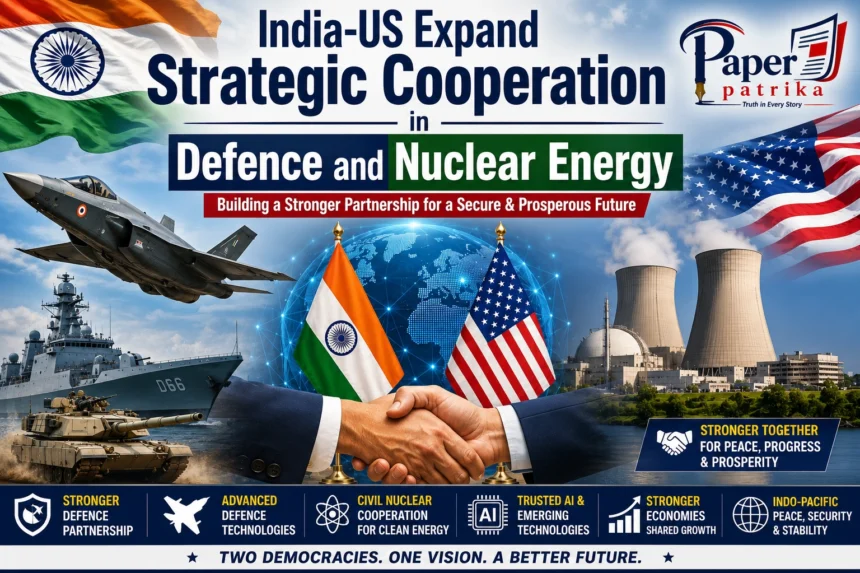
The strategic partnership between the United States and India has entered a new phase as Washington announced that the two nations are expanding cooperation in defence, civil nuclear energy, trusted artificial intelligence (AI), and other emerging technologies. The announcement was made by U.S. Assistant Secretary of State S. Paul Kapur during a high-level roundtable on India at the Hoover Institution, signaling the growing importance of bilateral ties in an increasingly complex global security environment. (The Economic Times)
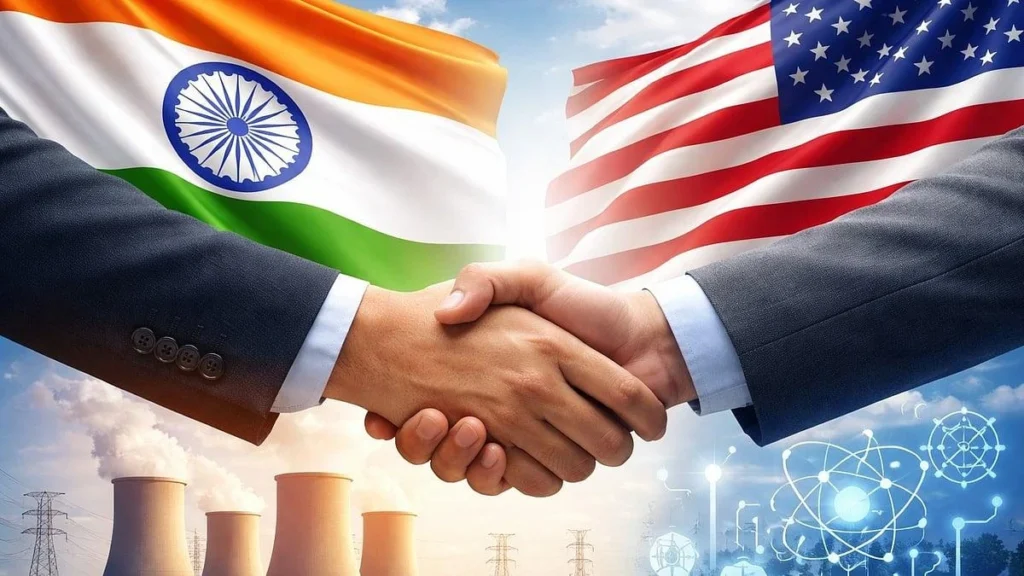
The remarks underscore the Trump administration’s commitment to deepening engagement with India through enhanced defence collaboration, stronger supply chains, advanced technology partnerships, and renewed momentum in civil nuclear cooperation. Analysts believe these initiatives will reinforce both countries’ shared objective of promoting stability, economic resilience, and security across the Indo-Pacific region. (www.ndtv.com)
Strategic Partnership Continues to Deepen
Speaking at the Hoover Institution, S. Paul Kapur said that U.S. engagement with India is creating jobs in America while strengthening critical supply chains that are essential for both nations and the broader Indo-Pacific.
He noted that Washington is expanding collaboration not only in defence but also in civil nuclear energy, trusted AI, and next-generation technologies that are expected to drive future economic growth. These comments reflect the growing breadth of the India-U.S. strategic relationship, which has evolved from traditional defence cooperation into a comprehensive technology and security partnership. (The Economic Times)
Defence Cooperation Reaches New Heights
Defence remains one of the strongest pillars of India-U.S. relations.
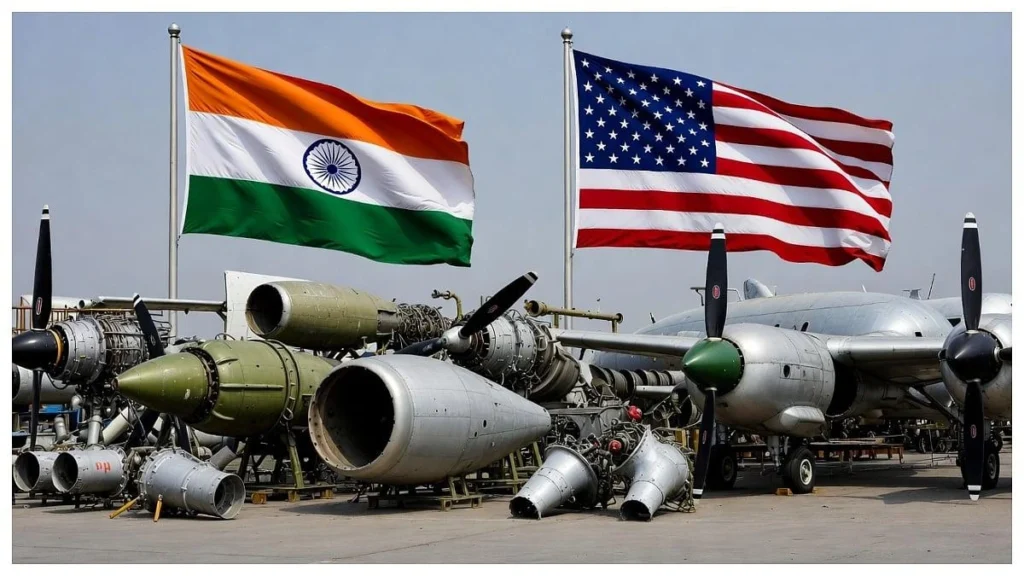
Over the past two decades, India has significantly diversified its military procurement by acquiring advanced American defence systems, including:
- Apache AH-64E attack helicopters
- Chinook heavy-lift helicopters
- C-17 Globemaster III strategic transport aircraft
- C-130J Super Hercules transport aircraft
- P-8I maritime reconnaissance aircraft
- M777 Ultra-Light Howitzers
These acquisitions have substantially improved India’s operational capabilities across land, air, and maritime domains while enhancing interoperability between the armed forces of both countries. (Business Standard)
Beyond equipment purchases, both governments continue to expand cooperation in joint military exercises, defence technology, maritime domain awareness, cyber security, intelligence sharing, and logistics support.
New Momentum in Civil Nuclear Cooperation
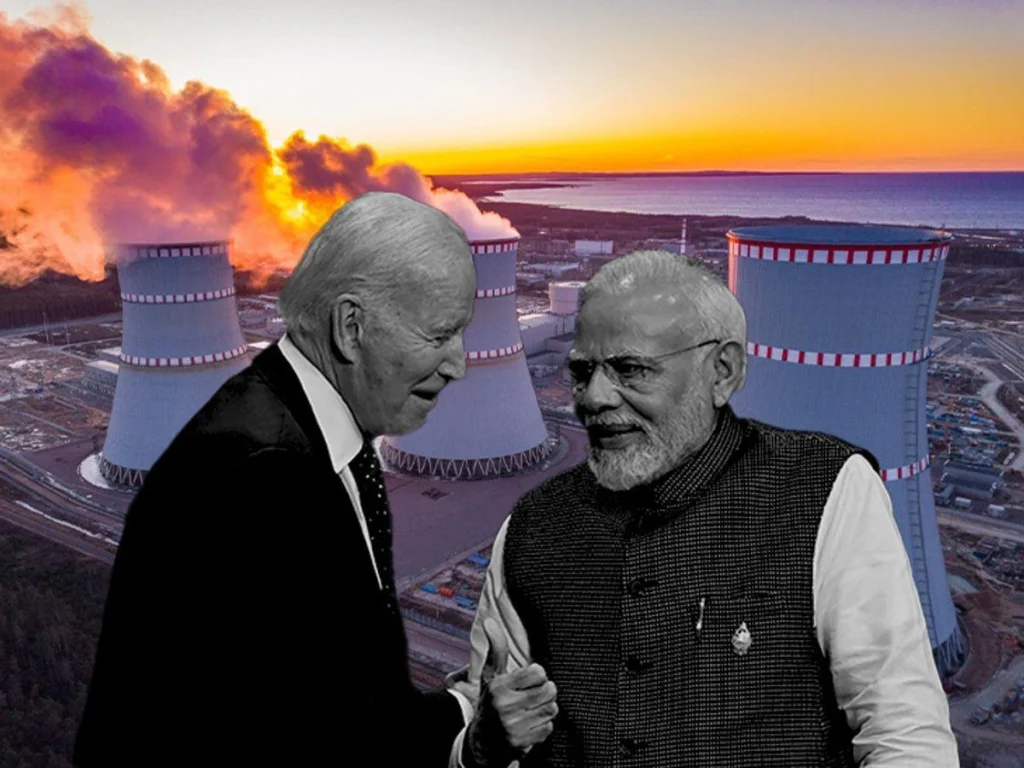
One of the most significant aspects of the latest announcement is renewed emphasis on civil nuclear cooperation.
American nuclear power companies are actively exploring opportunities in India’s expanding nuclear energy sector following policy reforms intended to facilitate greater private-sector participation and international collaboration.
India has set ambitious targets to increase nuclear power generation as part of its long-term clean energy transition. Greater cooperation with U.S. companies could support reactor technology, advanced manufacturing, nuclear fuel services, safety systems, and research collaboration. (Akashvani News)
The renewed focus also aligns with India’s broader strategy of reducing dependence on fossil fuels while strengthening energy security through diversified clean energy sources.
Artificial Intelligence and Emerging Technologies
Apart from defence and nuclear energy, trusted Artificial Intelligence has emerged as another key area of bilateral cooperation.
According to Kapur, both countries are working together to promote secure and trusted AI systems alongside other emerging technologies that can power future economic growth.
Potential collaboration areas include:
- Artificial Intelligence
- Semiconductor manufacturing
- Quantum technologies
- Advanced telecommunications
- Cyber security
- Critical minerals
- Space technologies
- Supply chain resilience
These sectors are increasingly viewed as strategic assets that will shape both economic competitiveness and national security over the coming decades. (Business Standard)
Supply Chains Become Strategic Priority
Recent global disruptions have highlighted the importance of resilient supply chains.
The United States and India are therefore seeking closer cooperation in manufacturing, logistics, and high-technology production to reduce vulnerabilities arising from excessive dependence on single-country supply networks.
Officials believe stronger India-U.S. industrial cooperation will benefit both economies by encouraging investment, expanding manufacturing capacity, and improving access to trusted suppliers for critical technologies. (Business Standard)
Indo-Pacific Security in Focus
Security cooperation between New Delhi and Washington is closely linked to developments in the Indo-Pacific region.
Both countries support a free, open, inclusive, and rules-based Indo-Pacific while working with regional partners through initiatives such as the Quad.
Growing cooperation in naval operations, maritime surveillance, defence logistics, and technology sharing reflects shared concerns regarding regional stability, secure sea lanes, and emerging security challenges.
Experts believe stronger India-U.S. defence ties contribute significantly to maintaining balance and deterrence across the Indo-Pacific.
Expanding Defence Industrial Collaboration
The relationship is increasingly moving beyond traditional arms sales toward defence manufacturing and industrial collaboration.
Current discussions include:
- Joint production initiatives
- Defence innovation partnerships
- Technology transfer
- Maintenance and logistics cooperation
- Aerospace manufacturing
- Defence startup collaboration
Such initiatives could strengthen India’s domestic defence manufacturing ecosystem while providing new opportunities for American industry.
Energy Security and Climate Goals
Civil nuclear cooperation also supports India’s long-term climate commitments.
India aims to expand its clean electricity generation significantly over the coming decades, and nuclear energy is expected to play an important role alongside renewable sources such as solar and wind.
American expertise in advanced reactor technologies, safety standards, and nuclear engineering may accelerate India’s efforts to diversify its energy mix while reducing greenhouse gas emissions. (Akashvani News)
Economic Benefits for Both Nations
Officials argue that expanding cooperation will generate economic benefits for both countries.
For the United States, increased exports of defence equipment, nuclear technologies, and advanced industrial systems support domestic employment and manufacturing.
For India, greater investment and technology partnerships can enhance industrial capacity, strengthen innovation, improve infrastructure, and support long-term economic development.
The growing relationship also provides opportunities for private-sector collaboration in research, manufacturing, digital technologies, and clean energy.
Global Strategic Significance
The strengthening India-U.S. partnership comes amid evolving geopolitical dynamics.
As major democracies with expanding economic and technological capabilities, both countries increasingly coordinate on issues including:
- Maritime security
- Counter-terrorism
- Cyber resilience
- Critical technologies
- Supply chains
- Clean energy
- Regional stability
Many analysts believe the partnership has become one of the most consequential bilateral relationships shaping the future strategic architecture of the Indo-Pacific.
Challenges Ahead
Despite the positive momentum, several challenges remain.
Key issues include:
- Regulatory approvals for nuclear cooperation.
- Technology-sharing arrangements.
- Export control frameworks.
- Intellectual property protection.
- Defence procurement timelines.
- Balancing strategic autonomy with expanding partnerships.
Addressing these issues will be important for translating political commitments into concrete outcomes.
Future Outlook
The latest announcement demonstrates that India-U.S. relations continue to broaden well beyond conventional diplomacy.
As defence cooperation expands, civil nuclear collaboration gains renewed momentum, and trusted AI becomes an increasingly important pillar of engagement, the partnership is entering a technology-driven phase with long-term strategic implications.
If successfully implemented, these initiatives could strengthen economic resilience, improve regional security, accelerate clean energy development, and reinforce cooperation between two of the world’s largest democracies.
Conclusion
The announcement by U.S. Assistant Secretary of State S. Paul Kapur highlights the growing depth of India-U.S. relations at a time of significant geopolitical transformation. By expanding collaboration in defence, civil nuclear energy, artificial intelligence, and emerging technologies, both nations are positioning themselves for a future built on innovation, resilience, and shared strategic interests.
As New Delhi and Washington continue to deepen cooperation across security, technology, and clean energy, their partnership is expected to remain a cornerstone of stability and economic progress in the Indo-Pacific while creating new opportunities for industry, research, and sustainable development.