

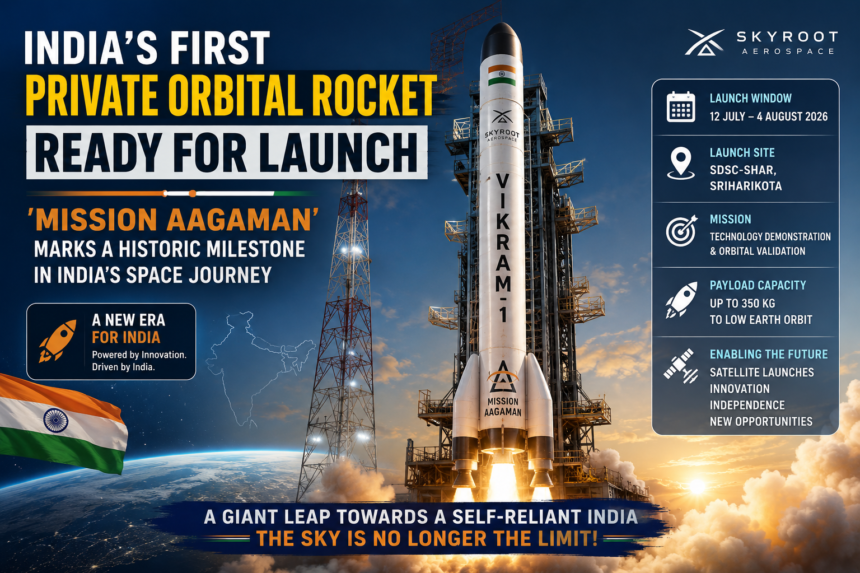
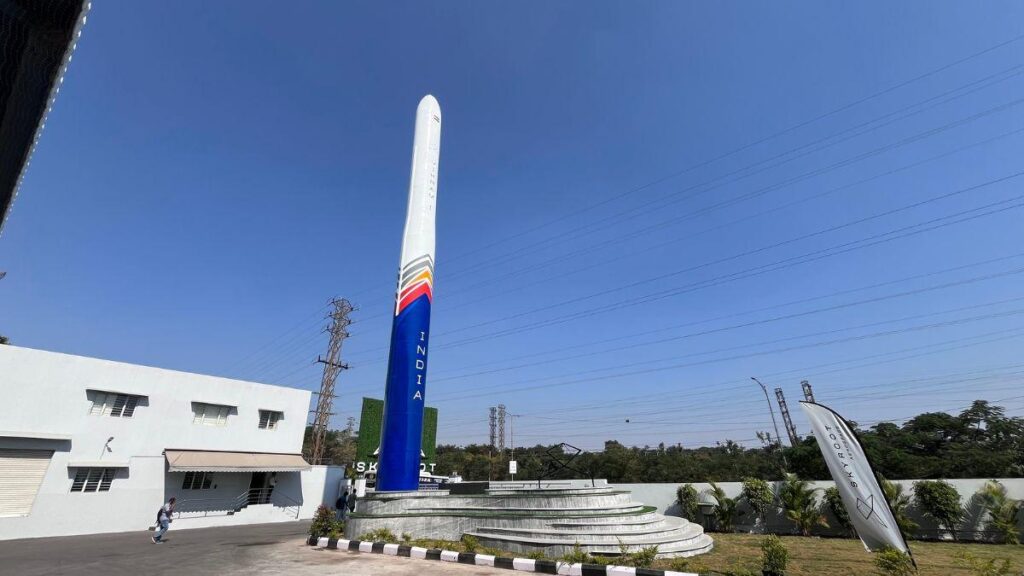
India’s space sector is on the verge of a historic breakthrough as Skyroot Aerospace, a Hyderabad-based private space startup, prepares to launch Vikram-1, the country’s first privately developed orbital-class launch vehicle. Named “Mission Aagaman,” the maiden flight is scheduled to take place between 12 July and 4 August 2026 from the Satish Dhawan Space Centre (SDSC-SHAR) in Sriharikota. The exact launch date will depend on weather conditions, technical readiness, and final regulatory approvals.
The mission represents a major milestone not only for Skyroot Aerospace but also for India’s rapidly expanding private space industry. If successful, Vikram-1 will become the first privately built Indian rocket to place satellites into orbit, marking a new chapter in the country’s commercial space ambitions.
Why This Mission Is Historic
For decades, the Indian Space Research Organisation (ISRO) has led India’s orbital launch capabilities. However, following reforms that opened the space sector to private participation, Indian startups have begun developing their own launch vehicles and satellite technologies.
Mission Aagaman is considered historic because it demonstrates that private Indian companies can now design, manufacture, and launch orbital rockets independently. It also reflects India’s transition from a government-led space program to a broader space ecosystem involving innovation, entrepreneurship, and commercial partnerships.
Mission Objectives
The primary goal of Mission Aagaman is to validate the performance of Vikram-1 during its first orbital flight.
Engineers will closely monitor several critical systems, including:
- Propulsion performance
- Stage separation
- Flight guidance and navigation
- Vehicle control systems
- Structural integrity
- Overall mission performance
The flight data collected will help improve future commercial launches and support certification for operational missions carrying customer satellites.
Key Features of Vikram-1
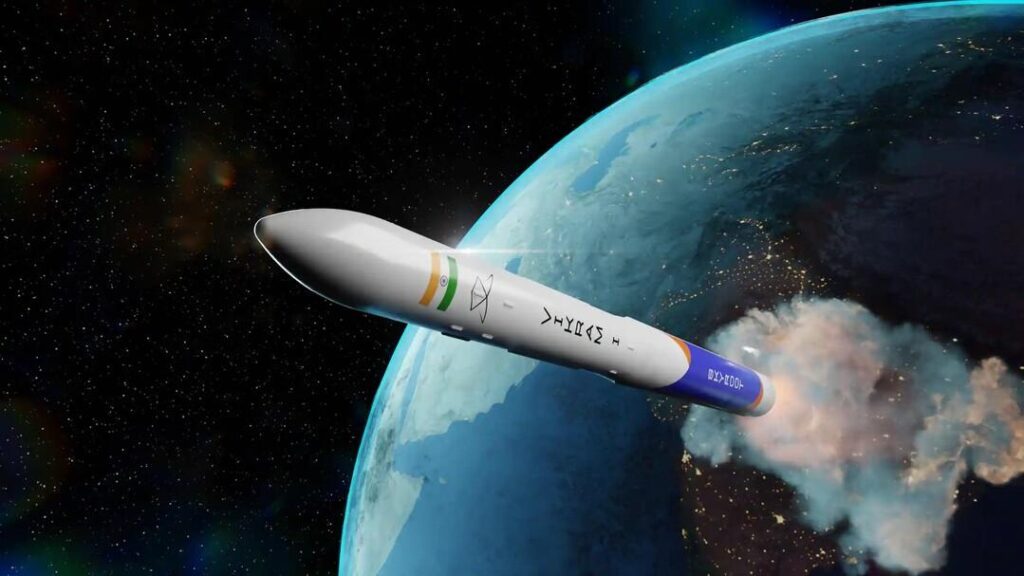
Vikram-1 is a multi-stage launch vehicle specifically designed for launching small satellites into Low Earth Orbit (LEO).
Major Specifications
- India’s first privately developed orbital rocket
- Designed to carry payloads of up to 350 kilograms to Low Earth Orbit
- Advanced guidance and navigation systems
- Lightweight composite structures
- Optimized for small satellite launch services
- Designed for cost-effective commercial missions
The rocket is intended to serve the rapidly growing global market for small satellite deployment, including Earth observation, communications, scientific research, and technology demonstration missions.
Launch from Sriharikota
The maiden launch will take place from the Satish Dhawan Space Centre in Sriharikota, India’s primary spaceport.
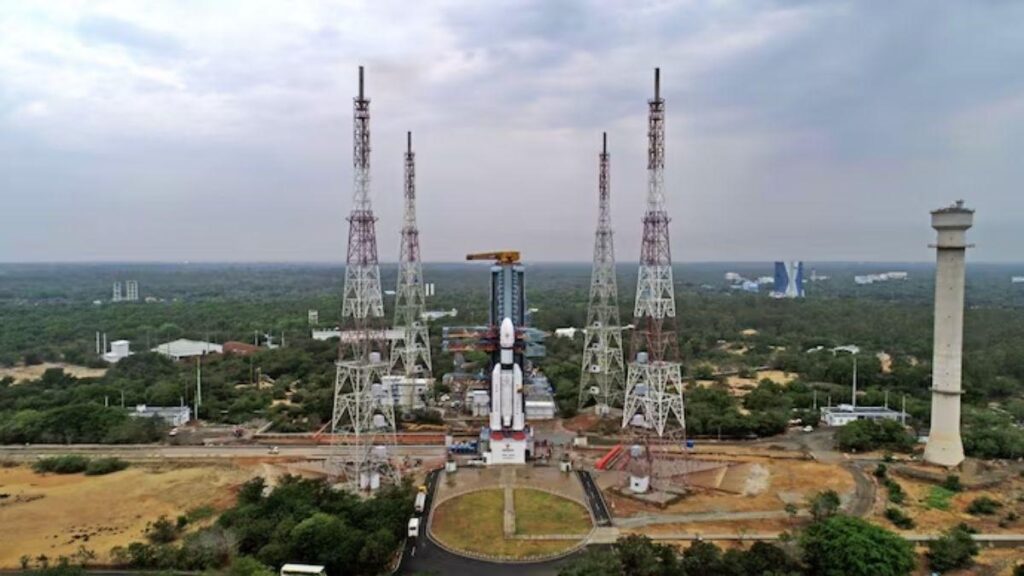
According to Skyroot Aerospace, the launch vehicle has already completed:
- Vehicle integration
- Launch pad stacking
- Preliminary testing
The company is currently conducting final system checks before receiving launch clearance.
Skyroot Aerospace’s Journey
Founded by former ISRO scientists, Skyroot Aerospace has emerged as one of India’s leading private space companies.
The company achieved national recognition in 2022 after successfully launching Vikram-S, India’s first privately built suborbital rocket.
Mission Aagaman represents the company’s next major step—from suborbital testing to full orbital launch capability.
Skyroot’s long-term vision is to provide affordable and reliable launch services to customers worldwide.
A New Era for India’s Private Space Industry
India’s decision to liberalize its space sector has encouraged innovation and attracted significant private investment.
Organizations such as IN-SPACe have enabled private companies to access launch infrastructure, technical support, and regulatory approvals.
Experts believe Vikram-1’s success could encourage more startups to enter the space sector while strengthening India’s position in the global commercial launch market.
Growing Global Demand for Small Satellite Launches
The international demand for launching small satellites has increased significantly over the past decade.
Governments, universities, research organizations, and private companies are deploying satellites for:
- Earth observation
- Climate monitoring
- Navigation
- Internet connectivity
- Disaster management
- Scientific research
Industry analysts expect the global small satellite market to continue expanding rapidly, creating new business opportunities for launch providers like Skyroot Aerospace.
Economic Benefits for India
A successful Vikram-1 launch could generate multiple long-term benefits:
- Increased foreign investment
- Expansion of India’s commercial space industry
- Job creation in aerospace engineering
- Growth of high-technology manufacturing
- Greater participation in the global launch market
- Increased exports of space-related services
Experts believe private launch companies will play an increasingly important role in strengthening India’s knowledge economy.
Challenges Ahead
Although expectations are high, maiden launches are technically complex.
The mission must successfully demonstrate:
- Reliable engine performance
- Precise orbital insertion
- Accurate stage separation
- Stable flight dynamics
- Safe mission completion
Every successful milestone will help establish confidence among international customers and investors.
India’s Expanding Space Ecosystem
India’s space sector is evolving rapidly with increasing participation from startups, universities, and private industries.
Besides Skyroot Aerospace, several Indian companies are working on:
- Satellite manufacturing
- Launch vehicles
- Space robotics
- Earth observation technologies
- Satellite communications
- Space-based data services
This expanding ecosystem supports the government’s vision of making India a leading player in the global space economy.
Looking Ahead
If Mission Aagaman succeeds, Skyroot Aerospace plans to begin regular commercial launch services for domestic and international clients.
Future missions are expected to focus on:
- Dedicated satellite launches
- Multiple satellite deployments
- Commercial launch contracts
- International partnerships
- Advanced reusable launch technologies
Industry experts believe the mission could significantly enhance India’s competitiveness in the global launch industry.
Conclusion
Mission Aagaman represents far more than the launch of a new rocket—it symbolizes the emergence of India’s private space industry as a global competitor. Vikram-1 demonstrates the country’s growing technological capabilities and reflects the success of recent space-sector reforms that encourage innovation and entrepreneurship.
If the mission achieves its objectives, it will become a landmark achievement in India’s space history, opening new opportunities for commercial launches, international collaboration, scientific research, and economic growth. It also reinforces India’s ambition to become one of the world’s leading space powers in the coming decades.