

Geneva | Special Report
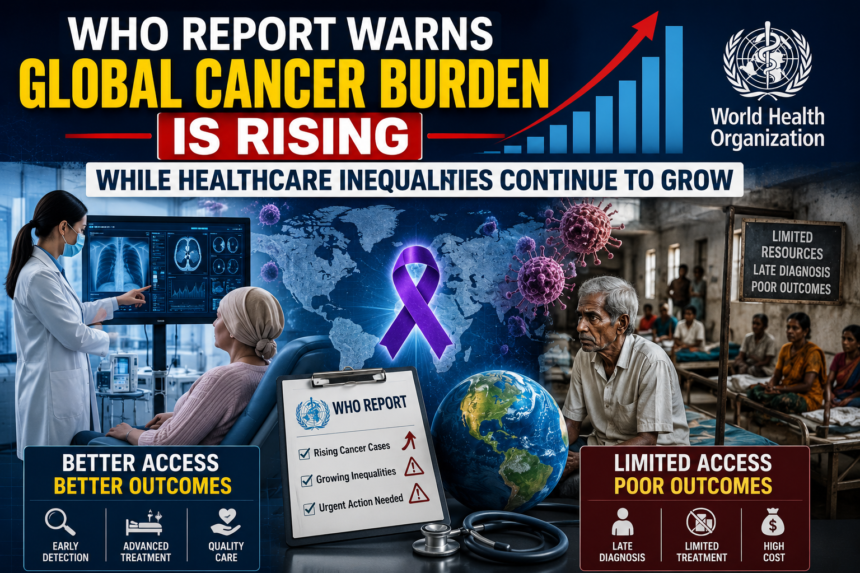
Cancer has become one of the world’s most significant public health challenges, affecting nearly every country regardless of income level or geography. However, while the disease is nearly universal, its impact remains deeply unequal. According to a new World Health Organization (WHO) report, millions of people continue to face major disparities in cancer prevention, diagnosis, treatment, and survival based on where they live, their income level, and the strength of their country’s healthcare system.
The report emphasizes that although scientific advances have improved cancer detection and treatment over recent decades, these benefits are not reaching everyone equally. Low- and middle-income countries continue to experience higher death rates due to limited access to healthcare services, delayed diagnosis, shortages of trained medical professionals, and inadequate treatment facilities.
WHO warns that unless governments invest more in equitable healthcare systems, the global cancer burden will continue to grow while inequalities widen.
Cancer: A Global Challenge
Cancer remains one of the leading causes of death worldwide.
Every year, millions of new cancer cases are diagnosed across every continent. Advances in medical science have improved survival rates for several forms of cancer, including breast, cervical, colorectal, and childhood cancers. However, these improvements are concentrated mainly in countries with well-developed healthcare systems.
According to WHO, the challenge is no longer simply reducing cancer cases—it is ensuring that every patient has equal access to life-saving care regardless of economic status.
Why Is the Burden Unequal?
The report identifies several factors responsible for unequal cancer outcomes.
Limited Access to Early Detection
Early diagnosis significantly increases the chances of successful treatment.
In many developing countries:
- Cancer screening programs remain limited.
- Public awareness is low.
- Patients often seek medical help only after symptoms become severe.
Late diagnosis reduces treatment options and lowers survival rates.
Differences in Healthcare Infrastructure
Many low-income countries continue to struggle with shortages of:
- Oncology specialists
- Cancer hospitals
- Radiation therapy equipment
- Diagnostic laboratories
- Pathology services
As a result, patients often travel long distances for treatment or receive no specialized care at all.
High Cost of Treatment
Modern cancer treatment can be expensive.
Patients may require:
- Surgery
- Chemotherapy
- Radiation therapy
- Targeted medicines
- Immunotherapy
In countries without strong public healthcare coverage, these treatments can become financially overwhelming, forcing many families into poverty.
WHO notes that financial hardship itself becomes an additional burden for cancer patients.
The Role of Prevention
The WHO report highlights that many cancer cases can be prevented through healthier lifestyles and stronger public health policies.
Key preventive measures include:
- Reducing tobacco use
- Limiting alcohol consumption
- Promoting healthy diets
- Increasing physical activity
- Vaccination against HPV and Hepatitis B
- Reducing exposure to environmental pollutants
Experts estimate that a significant proportion of cancers are linked to preventable risk factors.
Importance of Cancer Screening
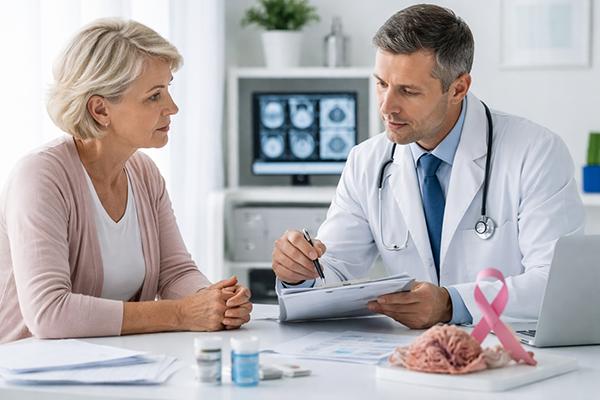
Screening remains one of the most effective tools for reducing cancer deaths.
WHO recommends expanding screening programs for:
- Breast cancer
- Cervical cancer
- Colorectal cancer
When detected early, many cancers can be treated successfully with significantly better outcomes.
Unfortunately, screening coverage remains uneven across many regions.
Impact on Low- and Middle-Income Countries
The report stresses that developing nations face a double challenge.
On one hand:
- Cancer cases are increasing due to aging populations and changing lifestyles.
On the other:
- Healthcare systems often lack sufficient resources to respond effectively.
Many countries continue to prioritize infectious diseases while non-communicable diseases like cancer receive comparatively fewer resources.
WHO believes greater international cooperation is needed to address this growing imbalance.
Women and Children’s Health
The report also draws attention to cancers affecting women and children.
Cervical Cancer
WHO continues its global campaign to eliminate cervical cancer through:
- HPV vaccination
- Regular screening
- Early treatment
Countries expanding HPV vaccination have already reported encouraging progress.
Childhood Cancer
Survival rates for childhood cancers vary dramatically.
In high-income countries, more than 80% of children survive many forms of cancer.
In some lower-income nations, survival rates remain below 30%, mainly because of delayed diagnosis and limited access to treatment.
Growing Economic Burden
Cancer affects not only health but also national economies.
Economic consequences include:
- Higher healthcare spending
- Reduced workforce productivity
- Financial hardship for families
- Long-term disability
WHO states that investing in prevention and early diagnosis is often far more cost-effective than treating advanced-stage disease.
Technology Offers New Hope
Medical innovation continues to transform cancer care.
Recent advances include:
- Artificial Intelligence-assisted diagnosis
- Precision medicine
- Genomic testing
- Robotic surgery
- Improved radiation therapy
- Personalized immunotherapy
While these technologies show great promise, WHO cautions that they must become accessible beyond wealthy countries.
WHO’s Recommendations
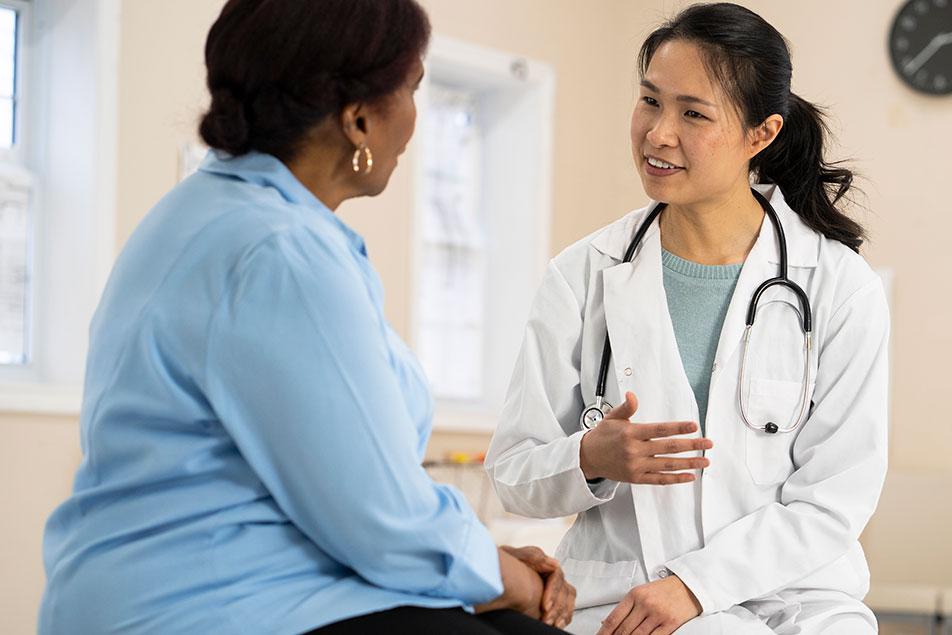
The report urges governments to prioritize cancer control through comprehensive national strategies.
Key recommendations include:
- Strengthening primary healthcare
- Expanding cancer screening
- Improving access to affordable medicines
- Investing in trained healthcare professionals
- Supporting research and innovation
- Reducing financial barriers for patients
- Promoting public awareness campaigns
WHO believes universal health coverage should include essential cancer services.
Importance for India
For India, the report carries particular significance.
India is witnessing a steady rise in cancer cases due to:
- Population growth
- Longer life expectancy
- Lifestyle changes
- Tobacco consumption
- Urbanization
The country has expanded initiatives such as:
- Ayushman Bharat
- National Programme for Prevention and Control of Cancer, Diabetes, Cardiovascular Diseases and Stroke (NPCDCS)
- Population-based cancer screening under Health and Wellness Centres
Experts say continued investment in early detection, affordable treatment, and public awareness will be essential to reduce future cancer-related deaths.
Conclusion
The latest WHO report sends a clear global message: cancer affects nearly every society, but its consequences are far from equal. While scientific progress has dramatically improved diagnosis and treatment, millions of people still lack access to basic cancer care simply because of where they live or their financial circumstances.
Closing these healthcare gaps through stronger public health systems, expanded screening, affordable treatment, and international cooperation will be critical if countries hope to reduce the growing global cancer burden in the coming decades.