
India’s First Dengue Vaccine Arrives with a Crucial Safety Caveat: A New Era in Prevention, but Not a Complete Solution
Health | Special Report | PaperPatrika
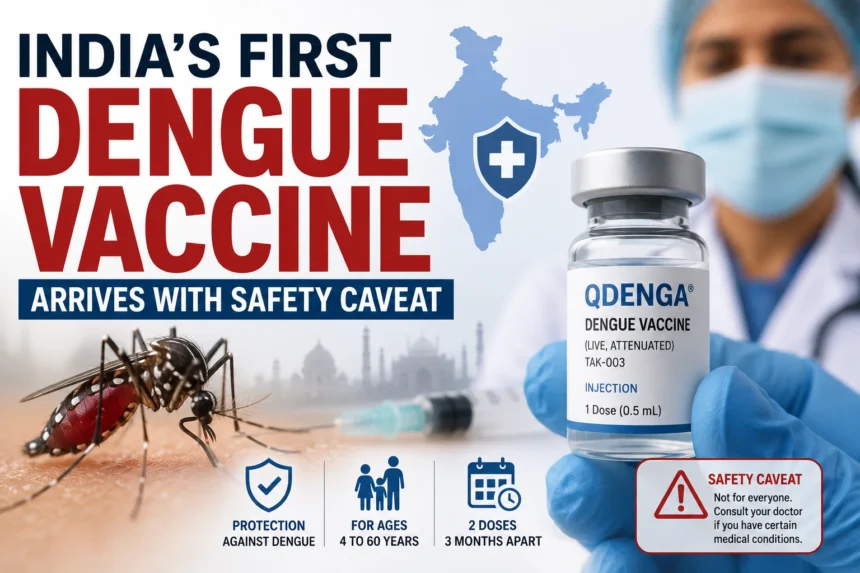
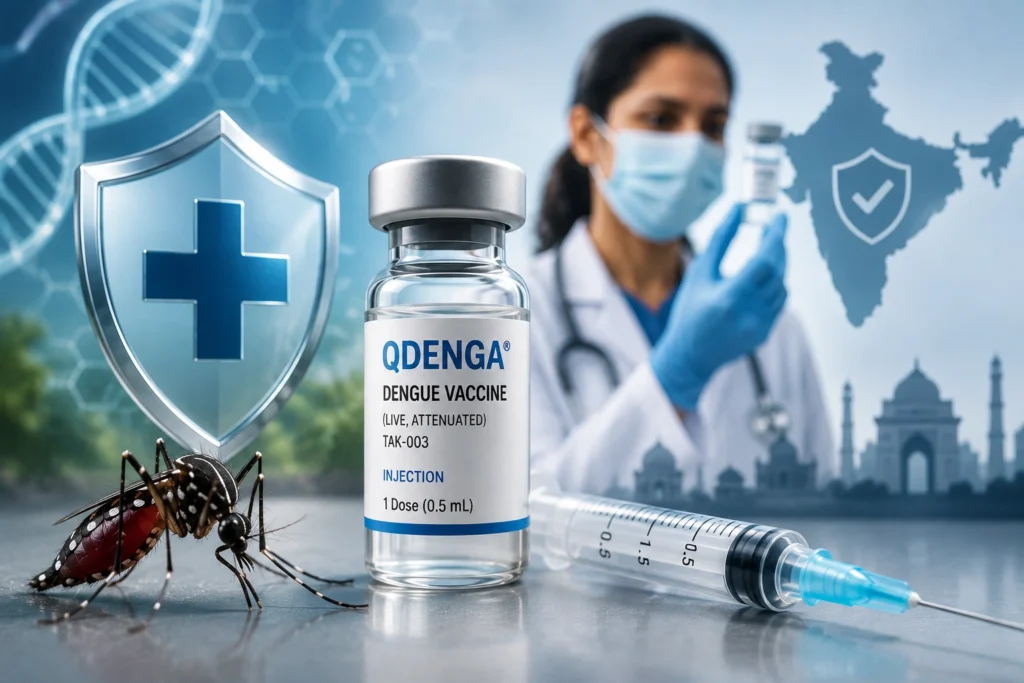
India has entered a new phase in its fight against dengue after the Central Drugs Standard Control Organisation (CDSCO) approved QDENGA (TAK-003), the country’s first dengue vaccine. Developed by Japanese pharmaceutical company Takeda, the vaccine has been authorized for individuals aged 4 to 60 years, marking a significant milestone in India’s public health strategy against one of its most widespread mosquito-borne diseases.
However, while the approval has been welcomed by public health experts, doctors also stress an important message: the vaccine is not a substitute for mosquito control and is not suitable for everyone. Understanding who should receive the vaccine—and who should avoid it—is critical for its safe and effective use. (Hindustan Times)
A Landmark Approval for India
Every year, dengue affects millions of people worldwide, with India accounting for a substantial share of global cases. Urbanisation, climate change, population growth and changing mosquito habitats have contributed to a steady rise in infections over the past two decades.
Against this backdrop, the approval of QDENGA is being viewed as one of the most important public health developments of the year. The vaccine is designed to protect against all four dengue virus serotypes (DENV-1, DENV-2, DENV-3 and DENV-4), reducing the risk of symptomatic disease and severe dengue. (Press Information Bureau)
What Makes QDENGA Different?
Unlike some earlier dengue vaccines that required a blood test to confirm previous dengue infection before vaccination, QDENGA can be administered regardless of prior dengue exposure. This means eligible individuals do not need pre-vaccination screening, simplifying rollout and improving access. (The Indian Express)
The vaccine follows a two-dose schedule, with the second dose administered three months after the first. Completing both doses is essential to achieve the best available protection. (India Today)
Who Can Receive the Vaccine?
According to the CDSCO approval, QDENGA is indicated for:
- Children aged 4 years and above.
- Adolescents
- Adults up to 60 years
- People living in dengue-endemic regions
The approval provides a preventive option for millions of Indians who face recurring dengue outbreaks, particularly during the monsoon season. (Press Information Bureau)
The Crucial Safety Caveat
Although QDENGA is an important breakthrough, it is not appropriate for everyone.
Doctors advise that individuals in the following categories should consult a healthcare professional before vaccination:
- Pregnant women
- Breastfeeding mothers
- People with severely weakened immune systems
- Individuals receiving immunosuppressive therapy
- Anyone with a history of severe allergic reactions to vaccine components
This safety guidance is the key caveat highlighted by infectious disease specialists following the vaccine’s approval. (Hindustan Times)
Strong Clinical Evidence
India’s approval was supported by extensive international and Indian clinical studies.
According to Takeda and regulatory data:
- More than 28,000 participants were enrolled across multiple Phase I, II and III clinical trials.
- Overall vaccine efficacy reached about 80% against confirmed dengue after the full vaccination schedule.
- Protection against dengue-related hospitalization exceeded 90% in key analyses.
- Long-term follow-up demonstrated sustained safety and effectiveness over several years. (India Today)
A Vaccine with Global Experience
Before receiving Indian approval, QDENGA had already been authorized in over 40 countries, including the European Union, the United Kingdom, Indonesia, Malaysia and Thailand. It has also received World Health Organization (WHO) prequalification, enabling procurement by international agencies. According to the Health Ministry, more than 24 million doses have been distributed globally, with post-marketing surveillance showing a favourable safety profile. (Press Information Bureau)
Why the Vaccine Matters
Dengue has become one of India’s fastest-growing vector-borne diseases. Seasonal outbreaks place heavy pressure on hospitals and can lead to severe complications such as dengue hemorrhagic fever and dengue shock syndrome.
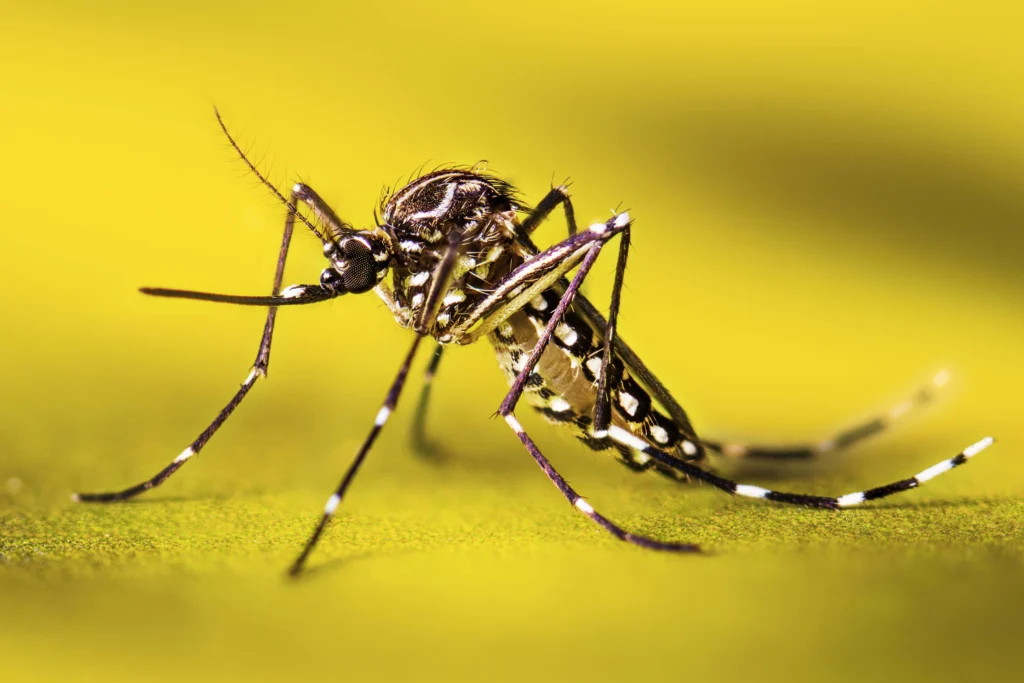
By protecting against all four dengue virus serotypes, QDENGA has the potential to reduce severe disease, hospital admissions and pressure on healthcare systems, particularly in high-transmission regions. (www.ndtv.com)
Vaccination Is Only One Layer of Protection
Health experts emphasize that vaccination alone cannot eliminate dengue.
People should continue to:
- Remove stagnant water around homes.
- Use mosquito repellents
- Install window screens where possible.
- Wear long-sleeved clothing
- Seek medical attention promptly if symptoms such as high fever, severe headache, pain behind the eyes, body aches, or bleeding occur.
These measures remain essential because the vaccine does not prevent mosquito bites or replace community-based vector control. (Hindustan Times)
Availability Across India
Although regulatory approval has been granted, QDENGA will not be available nationwide immediately. Its rollout is expected to occur in phases through hospitals and vaccination centres, depending on commercial launch plans, supply chains and recommendations from health authorities. Access may therefore vary across states during the initial months. (India Today)
Government’s Perspective
The Ministry of Health has described the approval as a milestone that will complement—not replace—existing dengue control measures such as surveillance, vector control, early diagnosis and case management. Officials have stressed that the vaccine forms part of a broader, science-based public health strategy. (Press Information Bureau)
Looking Ahead
The introduction of India’s first dengue vaccine represents a major scientific and public health achievement. If implemented alongside mosquito-control programmes and public awareness campaigns, it could substantially reduce the country’s dengue burden over the coming years.
At the same time, experts caution that realistic expectations are essential. Vaccination is an additional layer of protection rather than a standalone solution, and individual eligibility must always be assessed according to medical guidance.
Conclusion
The approval of QDENGA marks a historic moment in India’s battle against dengue, offering eligible children and adults a new tool against a disease that has challenged the country for decades. Its ability to protect against all four dengue virus types without requiring pre-vaccination testing makes it particularly significant.
Yet the vaccine’s success will depend on informed use, adherence to the recommended two-dose schedule, continued mosquito-control efforts and careful attention to the safety guidance for those who may not be suitable candidates. Together, these measures offer the best chance of reducing dengue’s impact on public health while ensuring that this important medical breakthrough is used safely and effectively.
Also Read: – WHO Report Warns Global Cancer Burden Is Rising While Healthcare Inequalities Continue to Grow