
New Delhi/Washington | Special Report | PaperPatrika
Former U.S. President Donald Trump’s proposal to impose tariffs of up to 200% on imported generic medicines has triggered widespread concern across the global pharmaceutical industry. Indian drug manufacturers, who supply a significant share of affordable medicines to the United States, have warned that such a move could ultimately increase healthcare costs for American patients rather than strengthen domestic manufacturing.
What Is Trump’s Proposed Tariff Plan?
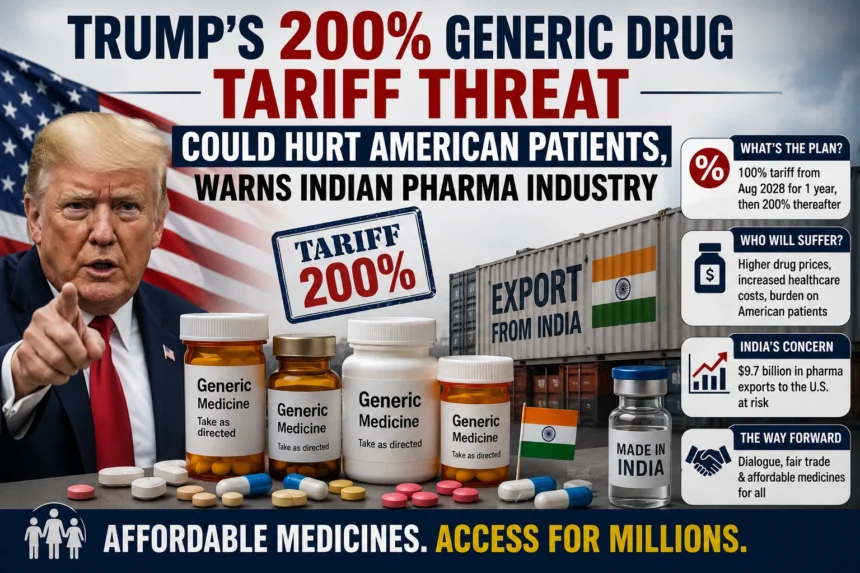
Donald Trump has announced a phased tariff policy targeting imported generic medicines.
According to the proposal:
- No new tariffs will be imposed until August 1, 2028.
- A 100% tariff would be introduced for one year beginning in August 2028.
- A permanent 200% tariff would follow thereafter.
Trump argues that the policy is intended to encourage pharmaceutical companies to manufacture medicines within the United States, reduce dependence on foreign suppliers, and strengthen national healthcare security.
Why Is the Indian Pharmaceutical Industry Concerned?
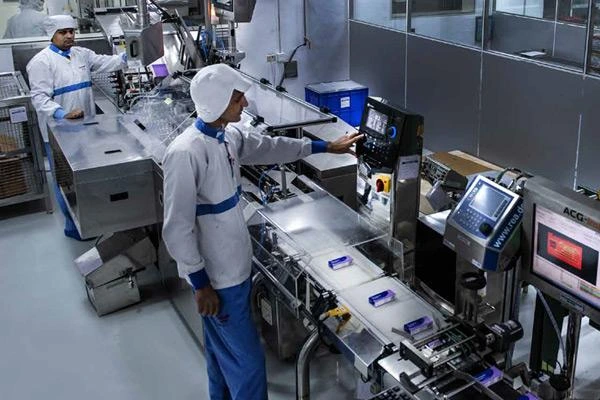
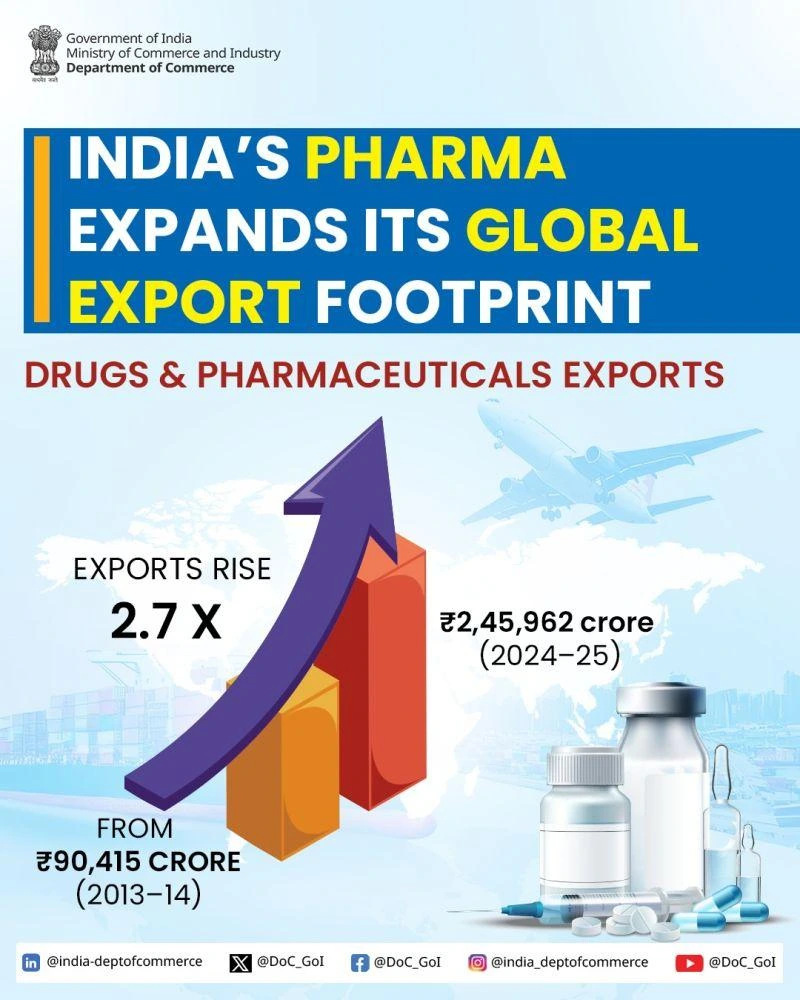
India is widely known as the “Pharmacy of the World” and is the largest global supplier of generic medicines.
Industry data indicates that:
- India exports nearly $9.7 billion worth of pharmaceutical products to the United States every year.
- The U.S. accounts for approximately 38% of India’s pharmaceutical exports.
- A substantial portion of affordable prescription medicines sold in America are manufactured by Indian pharmaceutical companies.
Industry leaders believe that imposing such high tariffs would disrupt this well-established supply chain.
Why Experts Say Americans Could Be the Biggest Losers
Indian pharmaceutical associations argue that a 200% tariff would significantly increase the cost of imported generic medicines.
Possible consequences include:
- Higher retail prices for prescription medicines.
- Increased healthcare spending by insurance companies.
- Rising procurement costs for hospitals.
- Greater financial burden on patients suffering from chronic illnesses.
- Potential shortages if imports become economically unviable.
Industry representatives emphasize that generic medicines play a critical role in keeping U.S. healthcare affordable, and any disruption could directly affect millions of Americans.
Importance of Generic Medicines in the United States
Generic medicines dominate the American healthcare system.
According to healthcare estimates:
- More than 90% of prescriptions filled in the United States are generic drugs.
- These medicines provide the same therapeutic benefits as branded drugs at significantly lower prices.
- They save the U.S. healthcare system hundreds of billions of dollars every year.
This explains why any major disruption in generic drug imports could have widespread economic and public health consequences.
Can Manufacturing Be Shifted to the U.S. Quickly?
Industry experts believe that relocating generic drug manufacturing to the United States is far more complicated than simply imposing tariffs.
Several challenges exist:
- Higher labor and operating costs.
- Construction of pharmaceutical facilities takes several years.
- Regulatory approvals from the U.S. Food and Drug Administration (FDA) require extensive time.
- Generic medicines operate on relatively low profit margins, making domestic production less attractive.
Because of these structural issues, many analysts believe tariffs alone may not achieve the intended reshoring of pharmaceutical manufacturing.
Potential Impact on Indian Pharmaceutical Companies
The tariff proposal has raised concerns among Indian drug manufacturers and investors.
Possible long-term effects include:
- Reduced competitiveness in the U.S. market.
- Pressure on export revenues.
- Diversification into alternative international markets.
- Increased investment in manufacturing facilities within the United States through partnerships or acquisitions.
However, the proposed implementation timeline provides companies with a transition period to prepare for possible policy changes.
Can India Maintain Its Competitive Advantage?
Trade analysts argue that India continues to enjoy significant advantages:
- Low-cost manufacturing.
- Large-scale production capacity.
- Skilled pharmaceutical workforce.
- Established regulatory compliance with international standards.
- Efficient global supply chains.
Some experts believe Indian companies may remain competitive even under higher tariff conditions because of their substantial cost advantages over U.S.-based manufacturers.
Implications for India–U.S. Trade Relations
The announcement comes at a sensitive time as India and the United States continue negotiations over a broader bilateral trade agreement.
Observers believe pharmaceutical tariffs could become one of the major discussion points during upcoming trade negotiations.
Governments on both sides may seek solutions that balance:
- Affordable medicine supply.
- Domestic manufacturing objectives.
- Trade competitiveness.
- Supply chain resilience.
A negotiated compromise remains possible before the proposed tariffs take effect.
Industry Recommendations
Pharmaceutical industry organizations have suggested that instead of imposing punitive tariffs, policymakers should focus on:
- Strengthening global pharmaceutical supply chains.
- Improving procurement and reimbursement systems.
- Offering incentives for domestic production.
- Encouraging diversified manufacturing rather than restricting imports.
- Protecting patient access to affordable medicines.
Industry representatives stress that healthcare affordability should remain the primary objective of any pharmaceutical trade policy.
Global Market Outlook
If implemented, Trump’s tariff proposal could reshape global pharmaceutical trade.
Potential consequences include:
- Rising medicine prices in the United States.
- Reorganization of global pharmaceutical supply chains.
- Increased investment in local manufacturing.
- New export opportunities in alternative international markets.
- Greater emphasis on global supply chain diversification.
Many analysts believe the final impact will depend on future policy decisions, trade negotiations, and industry adaptation over the coming years.
Conclusion
Donald Trump’s proposal to impose 200% tariffs on imported generic medicines represents one of the most significant potential changes in pharmaceutical trade policy in recent years. While the stated objective is to encourage domestic manufacturing and reduce dependence on imports, Indian pharmaceutical companies argue that the policy could have unintended consequences by increasing healthcare costs for American consumers and disrupting established global medicine supply chains.
With implementation still several years away, governments, healthcare providers, and pharmaceutical companies have time to negotiate practical solutions. However, the proposal has already sparked an important global debate over how to balance economic protectionism with affordable access to essential medicines.
Also Read: – Global Wars Delay FTA Talks, Impacting One-Fifth of India’s Trade